There are industrial leaders, and then there are figures who operate with something closer to imperial intent. Individuals who reshape reality according to their own logic. Ferdinand Piëch belonged firmly to the latter. During his time at Volkswagen AG, the company became less a conventional manufacturer and more a mad lab of technical ambition, where engineering ideas were pursued beyond the limits of commercial necessity.
To understand the cars of this era, one must first understand the mindset behind them. Piëch had already transformed Audi through innovations such as quattro and five-cylinder engines, but at Volkswagen, the scale expanded dramatically. The result was a portfolio of cars that collectively form a kind of manifesto. Excess, experimentation, and technical forward-thinking were the key words.
Volkswagen Phaeton W12
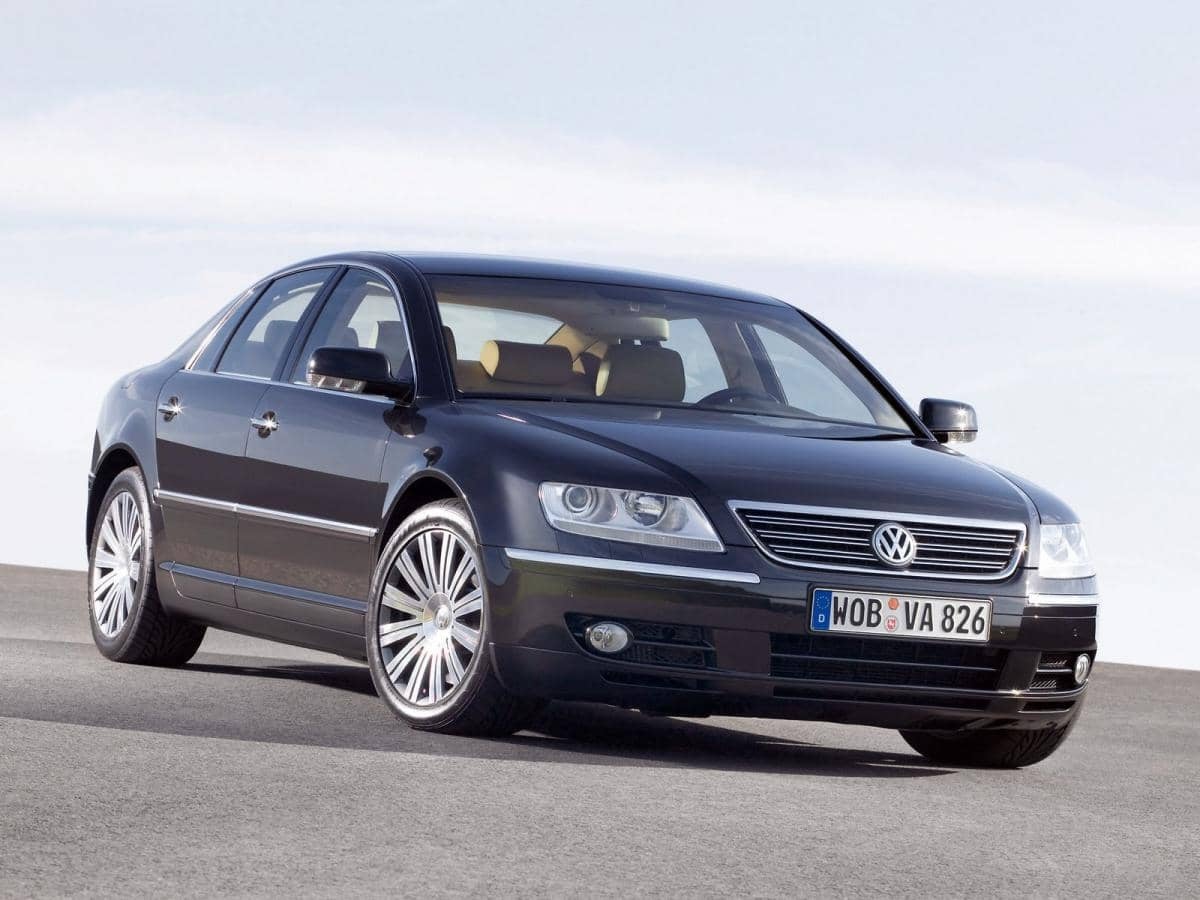
The Phaeton W12 is often described as a failed luxury car, but this interpretation misses its purpose. Piëch reportedly imposed a series of non-negotiable requirements, including the ability to maintain a constant interior temperature of 22°C while travelling at 300 km/h in 50°C ambient heat. This single requirement influenced everything from HVAC design to body sealing and material selection.
Beneath its understated exterior, the Phaeton utilised the D1 platform, shared with the Bentley Continental GT and Flying Spur. Less visible, but equally significant, was the level of redundancy built into its systems. Electrical architecture was engineered with an aerospace-grade approach to functionality and reliability. The philosophy was simple: failure was unacceptable. Whether or not the market understood it was secondary.
Something that does not help these cars, however, is age. No matter how good the engineering, all the electronics, suspension, and propulsion mechanicals are now decades old. Add the VW badge on the front, and today these cars can cost about the same as a pint of beer in central London.
Volkswagen Touareg V10 TDI
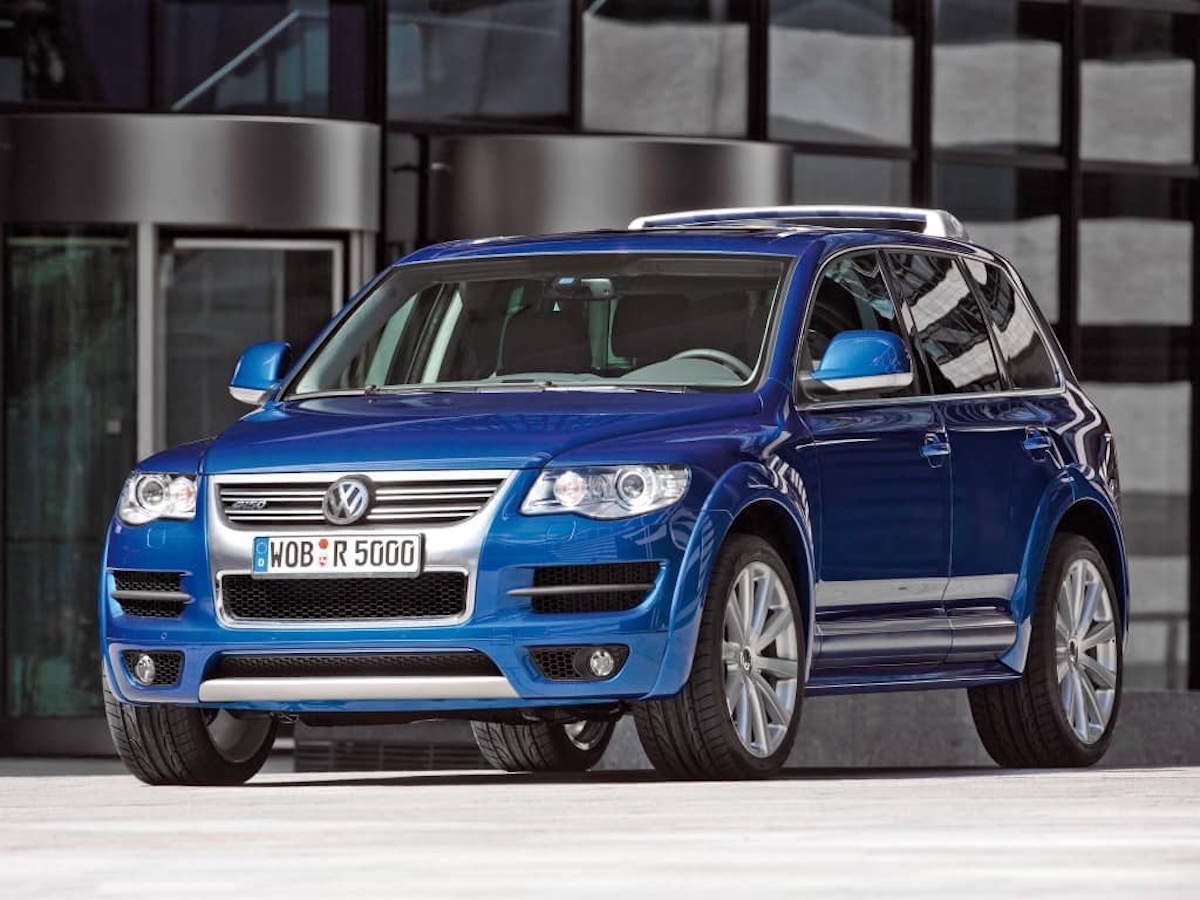
If the Phaeton represented more classic luxury, the Touareg V10 TDI represented raw force. Its 5.0-litre twin-turbocharged V10 diesel produced 750 Nm of torque at a time when such figures were largely confined to heavy-duty machinery. The engine itself was an extraordinary piece of engineering, packaged tightly within the Touareg’s chassis, which it shared with the Porsche Cayenne.
However, this compactness introduced significant thermal and maintenance complexity. Servicing the engine became notoriously difficult. The well-known demonstration of the car towing a Boeing aircraft showed exactly what the V10 Touareg was about.
Volkswagen Passat W8
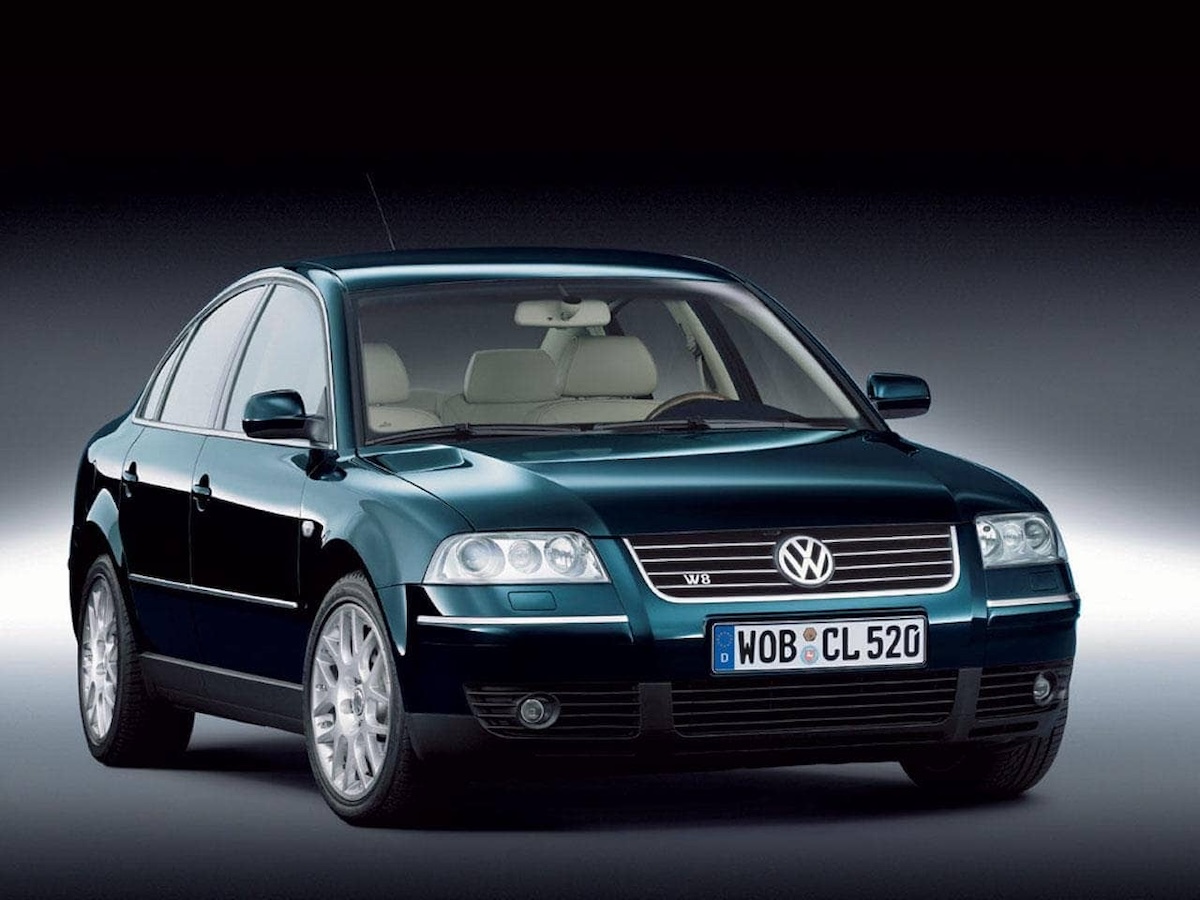
The Passat W8 occupies a particularly unusual position within this era. It was neither a flagship nor a halo car, but rather a transitional experiment. Its W8 engine, effectively two narrow-angle VR4 units combined on a single crankshaft, was designed to fit eight cylinders into a compact engine bay. This configuration allowed Volkswagen to explore the W-engine concept in a more accessible format before deploying it in more prestigious applications.
However, the engine was inherently complex and not especially efficient. What makes the Passat W8 remarkable is simply its existence. The Passat was well-engineered, but historically fairly ordinary, which makes the W8 version even stranger. It reflects a willingness to embed experimental engineering into an otherwise conventional product. It was also testing the limits of what customers would accept. Only true VW enthusiasts accepted the Passat W8 when it was new. Today, however, it is a truly unique vehicle, especially in estate form and with a manual gearbox.
Volkswagen Golf R32
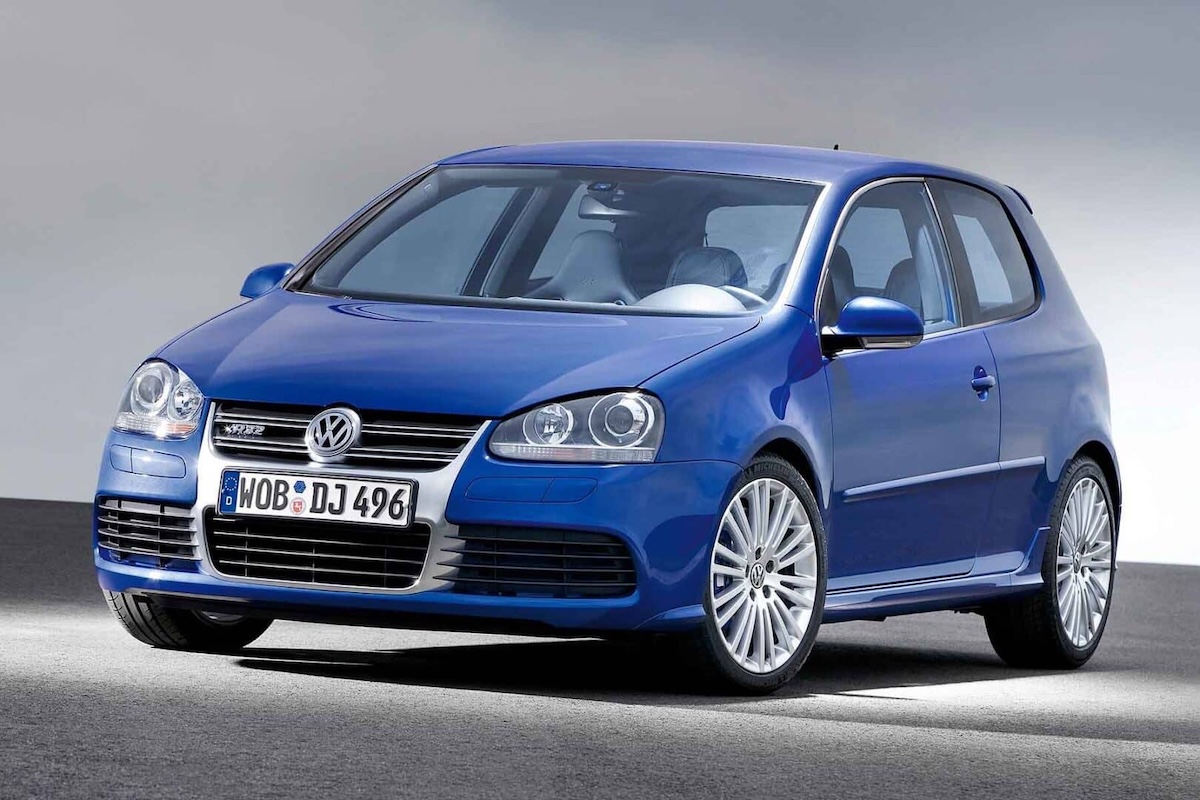
The Golf R32 is often remembered for introducing the DSG gearbox to a wider audience, but its significance goes beyond that. At the time, dual-clutch transmissions were still closely associated with motorsport. By integrating DSG into a production Golf, Volkswagen accelerated the mainstream adoption of a technology that would later become standard across the industry.
The car’s VR6 engine, with its narrow-angle configuration, enabled a six-cylinder layout within a compact platform. However, this also contributed to a front-heavy balance, meaning the R32 was not optimised for pure handling. Instead, it was a strong overall package: a compact car with luxury features, a distinctive engine, and genuine dynamic capability.
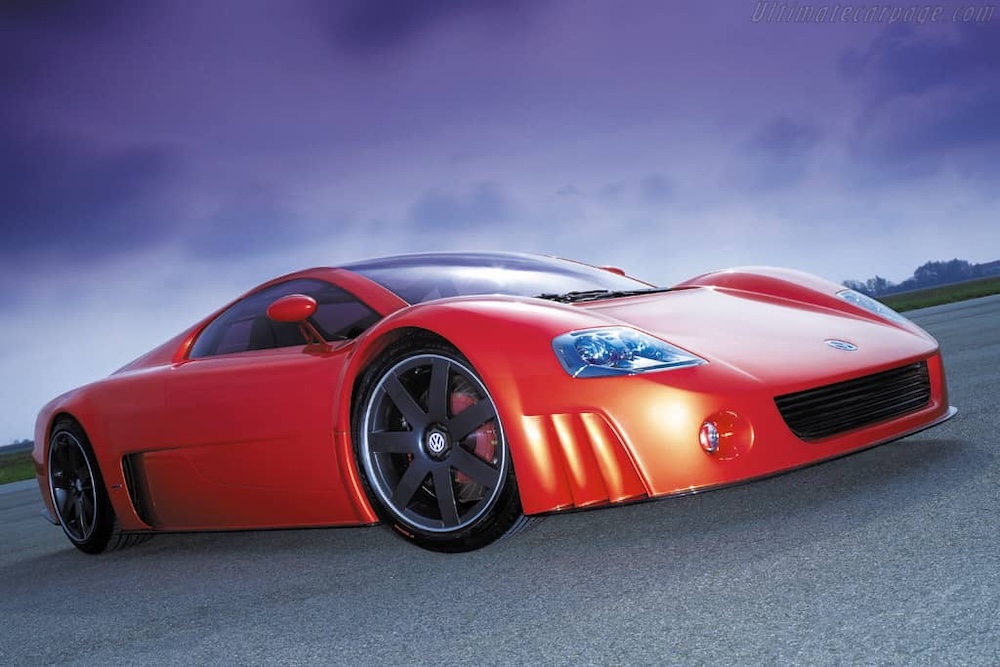
Volkswagen W12 Nardò
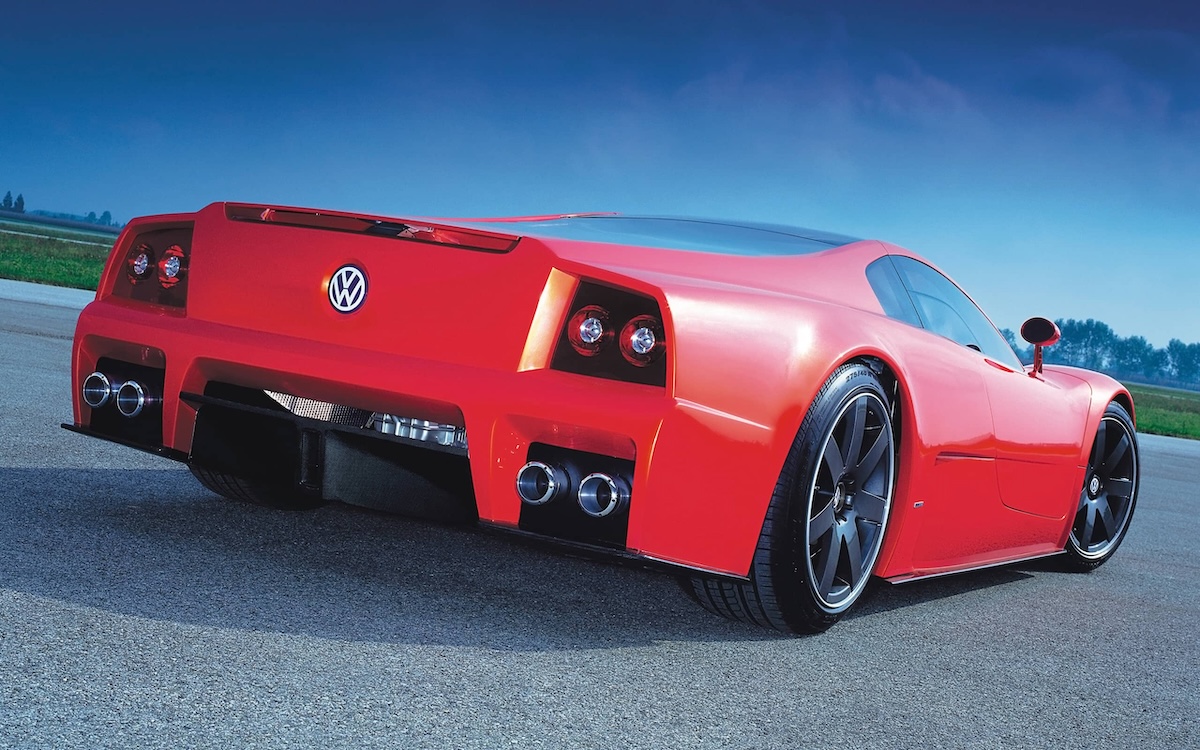
The W12 Nardò stands as perhaps the purest expression of Piëch’s engineering philosophy. Unlike the production cars, it was unconstrained by market or regulatory considerations. Its defining achievement was maintaining an average speed of over 300 km/h for 24 hours.
The W12 engine architecture would later underpin Bentley models and evolve further into the W16 used in the Bugatti Veyron. This connection is critical. The W-engine programme was part of a broader strategy to establish Volkswagen Group as a technological powerhouse. Piëch’s acquisitions of Bentley, Bugatti, and Lamborghini enabled knowledge transfer and engineering scale across brands.
Volkswagen New Beetle RSi
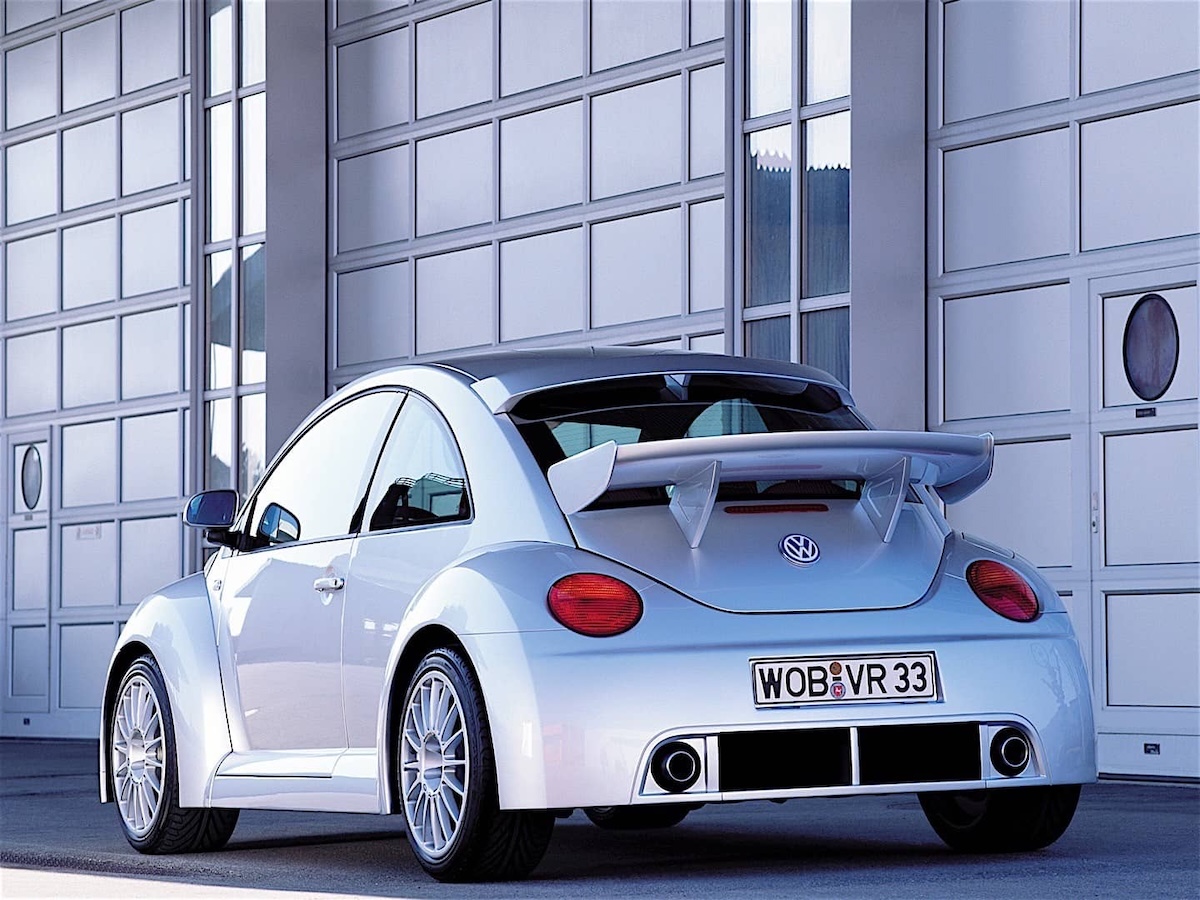
Often dismissed as an eccentric outlier, the New Beetle RSi is more significant than it first appears. Equipped with a VR6 engine and all-wheel drive, it shared key mechanical elements with the Golf R32. However, its exaggerated bodywork and limited production showed that even the most design-led product in Volkswagen’s portfolio could be reinterpreted through a performance-focused lens. It represents the willingness to experiment with identity. For other manufacturers, this sort of car would have stayed as a concept, but not for VW.
Volkswagen Polo GTI
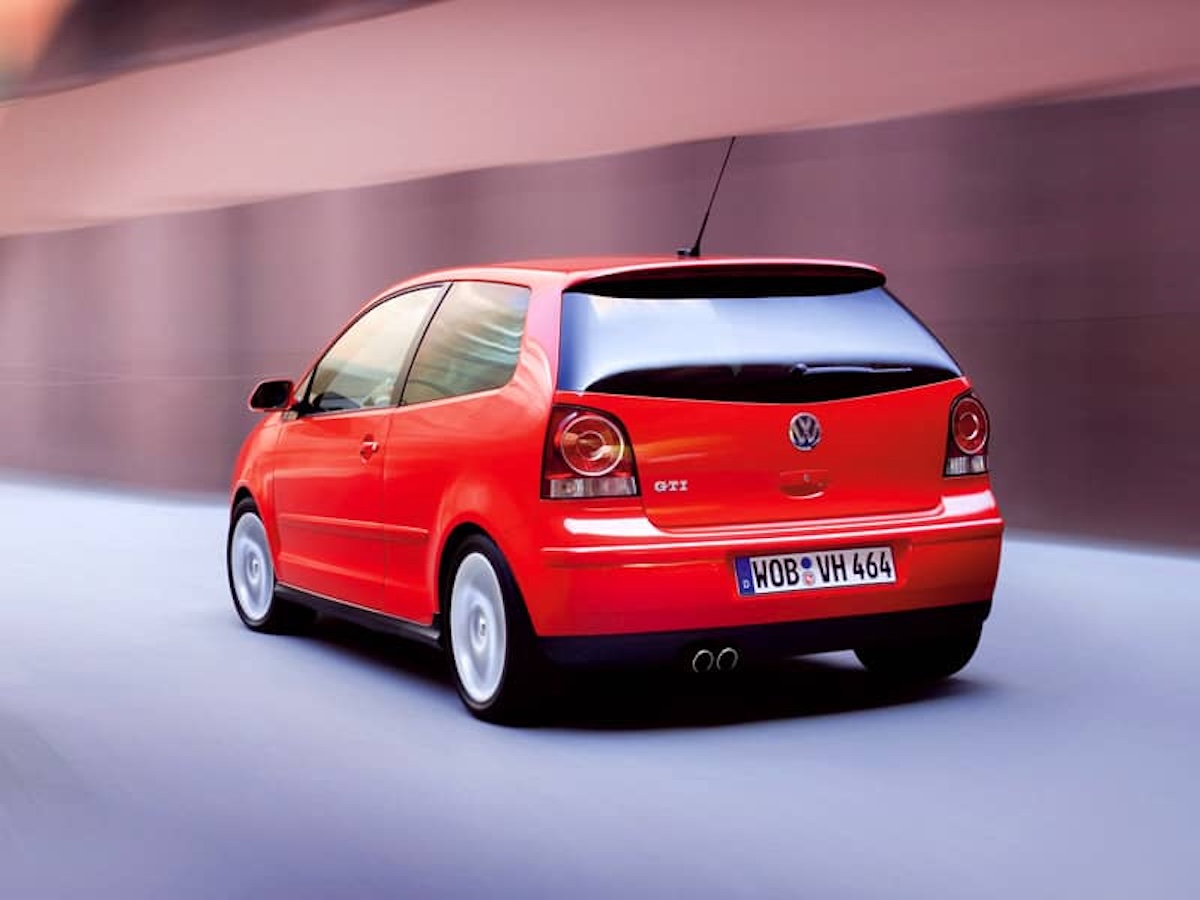
Even at the lower end of the range, the influence of Piëch’s philosophy remained visible. Cars like the Polo GTI may appear more conventional, but they were still shaped by a mindset that favoured engineering depth over minimalism. The same underlying principles applied: robustness and performance, and not necessarily only in terms of speed and power.
VW also created the Lupo 3L, an ultra-lightweight three-cylinder diesel hatchback that could, in the real world, achieve fuel consumption of around 3 l/100 km.
Today, the industry has shifted towards electrification, standardisation, and cost control, so in that context, Piëch’s principles would be hard to fit in. It is difficult to imagine that such a time existed: an eight-cylinder Passat, a ten-cylinder diesel SUV, or the wild and expensive XL1. It was not always logical, and it was not always profitable. But it was a time of engineering adventures that we look back on fondly. And the cars are still there to enjoy.
---
We invite you to start your journey by exploring our broad selection of Car Categories. After that, feel free to visit the Classic Passion Shop, where you’ll find unique products from our partners — thoughtful picks for every enthusiast looking to add something special to their collection.