One Good Car Video Can Answer 20 Buyer Questions
The internet marketplaces have become modern ‘agoras’ of sorts, where we fulfil our communication needs and buy/sell disproportionately more often than visiting actual stores. While we’ve already grown accustomed to online shopping, selling or buying a classic car may pose a few problems. While the seller knows their product, hopefully, the buyer has some questions that photos are not likely to answer. The engine might rattle when it’s cold, the rear quarter might have been repainted, and ‘minor rust’ might mean different amounts to different people.
Then you might begin the back-and-forth messaging. Can you send a cold-start video? What does the exhaust sound like? How bad is that scratch? Can I see underneath? Does the convertible roof operate properly? Those are reasonable questions when you’re buying a classic, but they can all be rendered moot with one decent walkaround video. Not to mention, there is designated software to help you out. Clideo will edit your video using its subtitle generator, compressor tool, resize tool, and other helpful features, giving you a clear video that’s client-ready and will eliminate most of their questions.
Online adverts still highly depend on good photos, and a video is a bonus.
Recommendations:
- photograph classics from multiple exterior angles
- document the dashboard, seats, steering wheel and instruments,
- open the bonnet,
- show known problems, don’t avoid them. It will establish trust from the get-go.
Now, for the video! Here are several cues to construct the right video for your target audience, while keeping it truthful.
Start with the questions photographs cannot answer
-
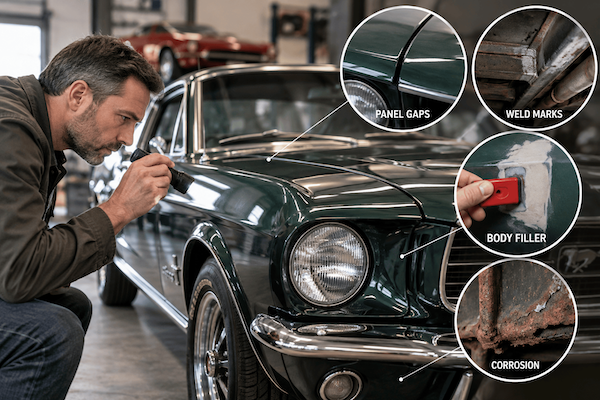
Start outside and walk slowly around the car in daylight. As a likely car enthusiast, you can anticipate the first batch of buyer questions, so start answering them straight away.
-
None of the concerns are trivial when you’re evaluating an older car. Dyler, and well as Car & Classic, advise buyers to look for ripples in bodywork, inconsistent panel gaps, filler and rust when inspecting a classic, no address those points, don’t wait for the customers to ask.
-
A video cannot prove that there is no filler under a quarter panel, obviously. But moving footage shot from several angles can show reflections, alignment, and surface irregularities that a still photograph may not.
-
A seller trying to conceal imperfections is more alarming than a 40-year-old car having them.
Start the car from cold
For any car enthusiast, an important measure of the engine ‘health’ is starting it from cold.
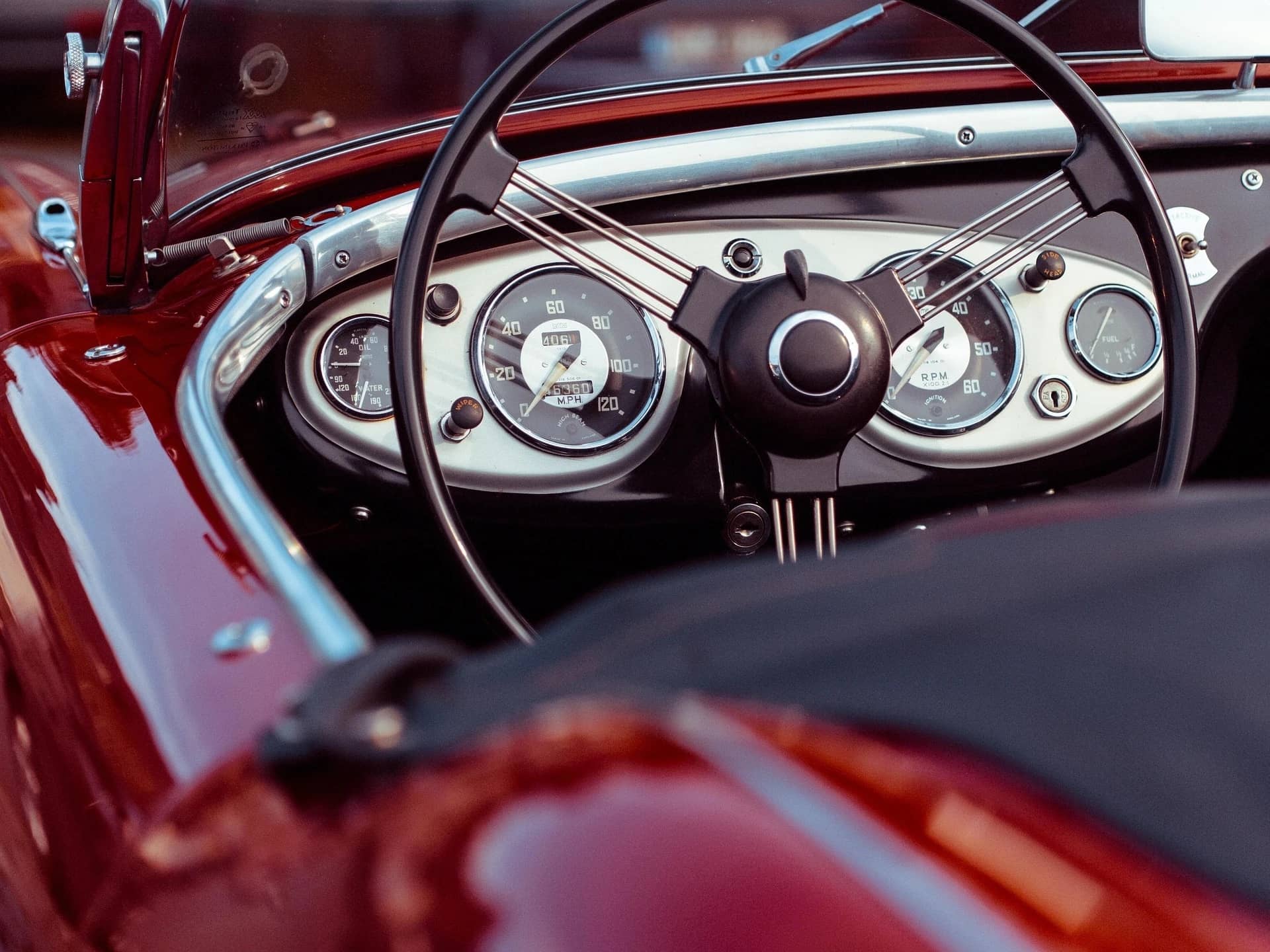
Show the temperature gauge before starting. If practical, place a hand briefly on an accessible part of the engine to demonstrate that it is cold. Then start the car without cutting the footage.
This will eliminate a slew of follow-up questions. Not to mention, both the RAC and AA include cold starting, engine noise and visible smoke among checks relevant to assessing a used vehicle. Car & Classic goes further for classics, warning buyers that a car warmed before their arrival may behave very differently from one started completely cold.
Do not edit away the evidence. Don't splice the instant between turning the key and the engine firing, and don't replace the actual engine audio with music. The buyer wants the cough, whirr, tick, and burble. Those sounds are information, my friend.
Move on to the interior
Here are a few more tips for filming the interior, long before you pop the footage in Clideo and edit out the unnecessary parts.
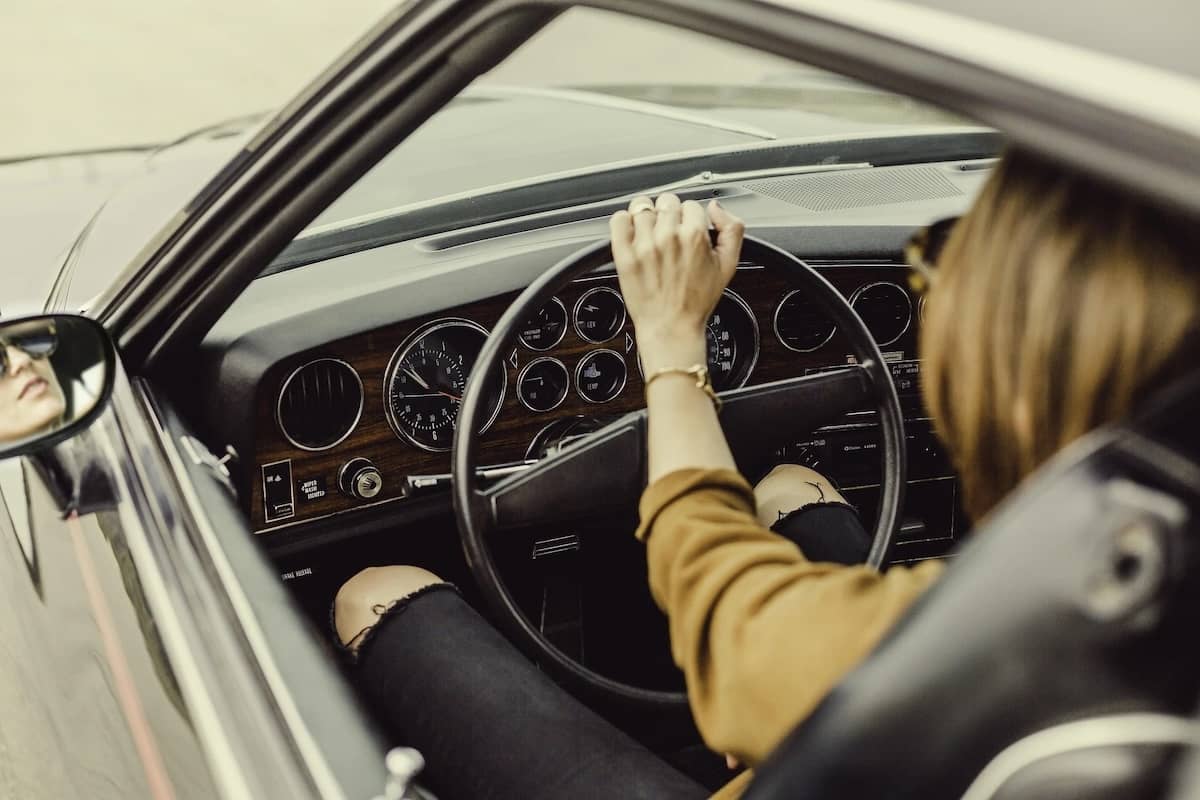
Turn the camera toward the gauges.
Operate the headlights and indicators.
Try the horn.
Run the wipers.
Move the electric windows.
If the car has a sunroof, electric seats, pop-up headlights, air conditioning or a powered convertible top, demonstrate them.
Another batch of unnecessary follow-up questions eliminated on the spot.
Minimal editing goes a long way here. Several short phone clips are easier to shoot than one continuous take, and that’s for the best. In Clideo, you can place them in order on the timeline, trim the dead time trimmed out and add simple captures in the subtitles: “cold start,” “electric roof,” or “known paint damage” placed over the relevant sections would do nicely. They will also give an opportunity to omit narration if it’s not your forte.
Finish with movement
This requires a bit of work, but it will definitely pay off.
If circumstances, insurance and road safety allow it, a short driving section can answer the final five questions, akin to these:
Does the clutch engage normally?
Does the gearbox shift effortlessly?
Is the steering straight and controlled?
Are there suspension noises?
What does the drivetrain and exhaust sound like under load?
Surely, video has limits. Or, should I say, online ads have limits. Things like worn wheels, possible break vibrations, etc. Serious buyers should still arrange a physical inspection and test drive where possible. Independent inspections are also crucial. They can uncover corrosion, poor repairs, leaks, warning lights, worn components and mechanical problems that no seller-shot video can rule out.
Plus, paperwork is still necessary. Pay attention to:
Service history,
Ownership documentation,
Restoration invoices and provenance should be supplied separately and checked properly.
Autotrader advises sellers to have service history and relevant vehicle documents available for potential buyers to review.
But let’s not get sidetracked from the subject of a good video.
Remember, the job of these videos is to get the prospective buyer to the point where they know enough to decide whether the car deserves a closer inspection. That can save time on both sides. The seller should have one honest record ready to share.
And honesty is the part worth stressing. A sales video does not become more convincing because every flaw has been edited out. With an old car, perfection is enver the point, and it can create more questions than imperfection. Show the cracked trim. Show the stone chips. Let the buyer hear the slightly lazy starter motor. If something does not work, demonstrate that too.
---
Looking for your next classic? Explore Car Categories, discover automotive-inspired products at the Classic Passion Shop, or buy CoinGate Gift Cards.