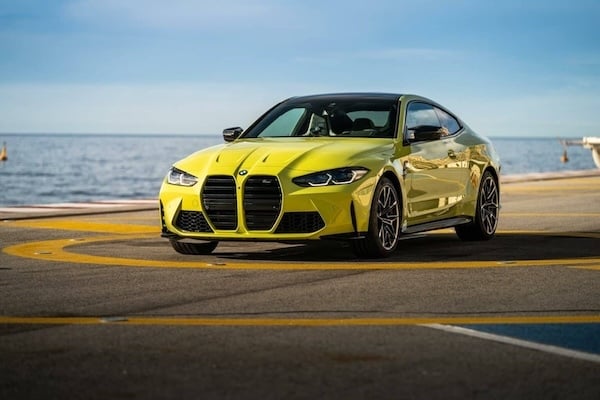
It’s hard to pick a winner. Early-2000s SsangYong models look like the output of some obscure building-design firm: bloated, deformed projects with awful names, designed by people who never learned that when your granny says “lovely”, it doesn’t automatically make it true.
Before SsangYong’s arrival in Europe, the company’s structure changed a lot. The story starts in 1954 with the founding of Handonghwan Motor Company, which a decade later merged with another Korean manufacturer and began assembling lorries, buses and fire engines.
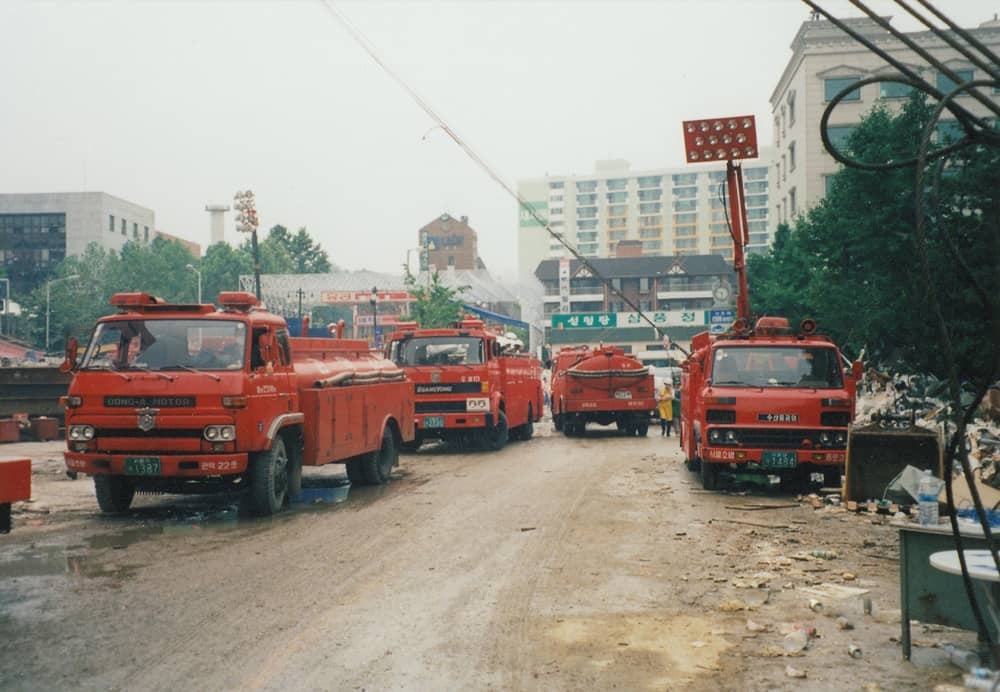
In 1986, another company was coupled onto this. One that built licensed Jeep CJ copies with help from America’s AMC, and a couple of years later the whole conglomerate got a new name: SsangYong Motor, which in English would translate as “Two Dragons Motors”.
In 1991 things get more familiar to Europeans who follow the car industry, because SsangYong starts getting cosy with Daimler-Benz. The plan: a new 4x4 competitive in both Asia and Europe, with the latest Mercedes-Benz hardware bolted underneath. The result was the SsangYong Musso. They adapted Mercedes gearboxes, engines and suspension bits across other models too.
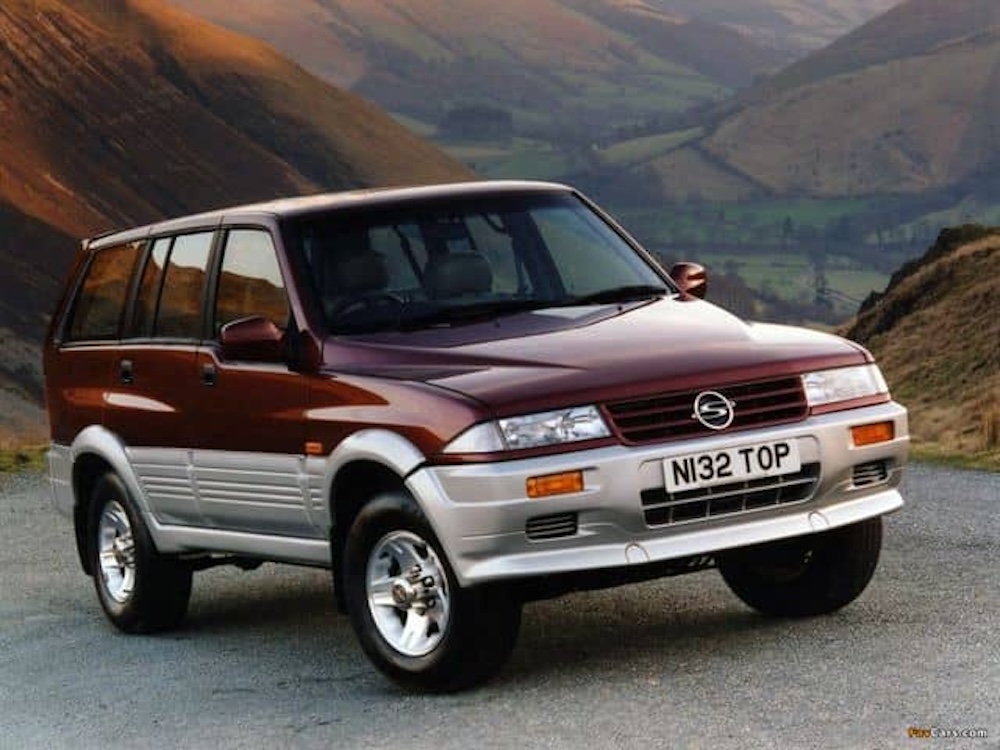
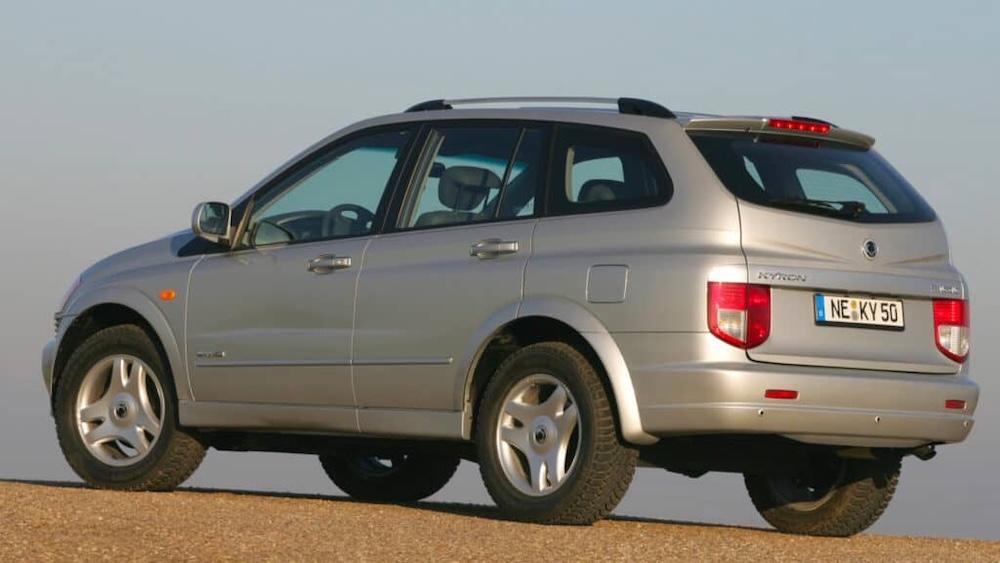
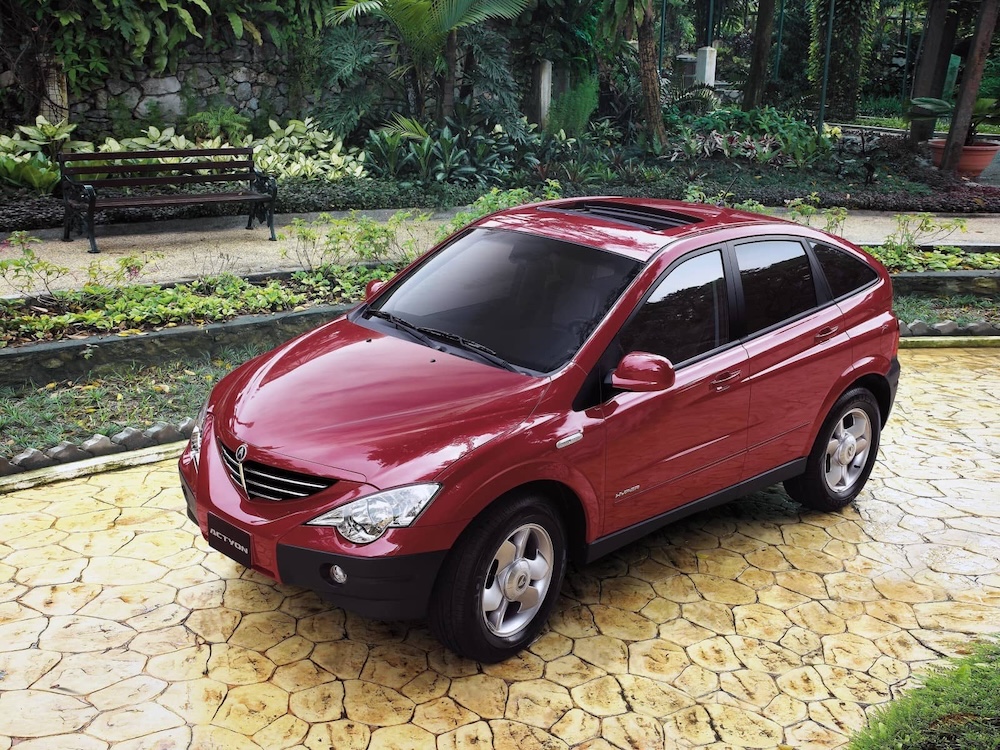
In 1997 Daewoo Motors took a controlling stake in SsangYong, but when the financial abyss opened up, they sold it all three years later. Eventually, in 2004, China’s SAIC took the reins. With fresh Chinese money, SsangYong started pushing out new models one after another. In six years, starting in 2001, they launched the Rexton, Musso Sports, Rodius, Kyron, Actyon, and a second-generation Chairman limousine.
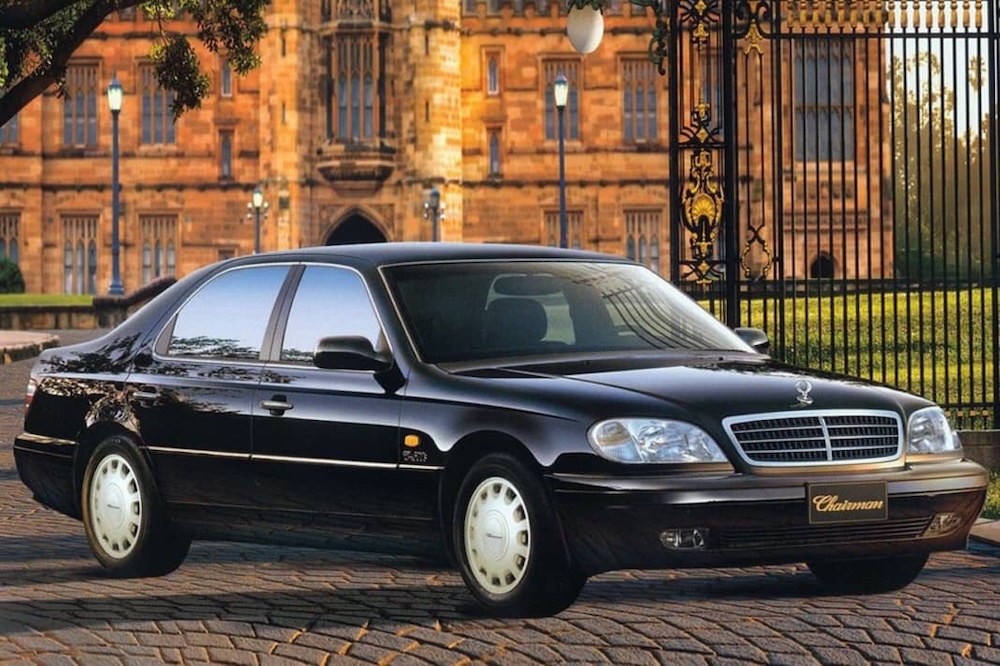
The Chairman was SsangYong’s only saloon. It was sold only in far Asian markets, it entered production in 1997 and was based on an E-Class Mercedes platform. The updated second-generation model ran all the way to 2017, but under the bonnet there was nothing “updated” about it: it still used the ancient M104 petrol engine from the W124 Mercedes, just dressed up with a newer plastic cover.
Then 2009 brought lawsuits. After massive losses the firm was declared insolvent, and SAIC was sued for allegedly stealing information for the benefit of other companies. The Chinese denied it, but South Korean prosecutors still accused them of breaking laws and company statutes, and of stealing technology developed jointly by South Korea and SAIC. That same year, SsangYong factories were shut down.
But the following year a new company turned up – the allegedly design-borrowing outfit that decided to buy SsangYong for $463 million: Mahindra & Mahindra. This time, with Indian resources, SsangYong got another shot of life, and by 2011 they were again releasing updated and new models. The first fully new SsangYong of this era was the Tivoli, a B-segment crossover most often driven, in my experience, by project managers or thinning accountants, heading to a meeting looking sour and miserable.
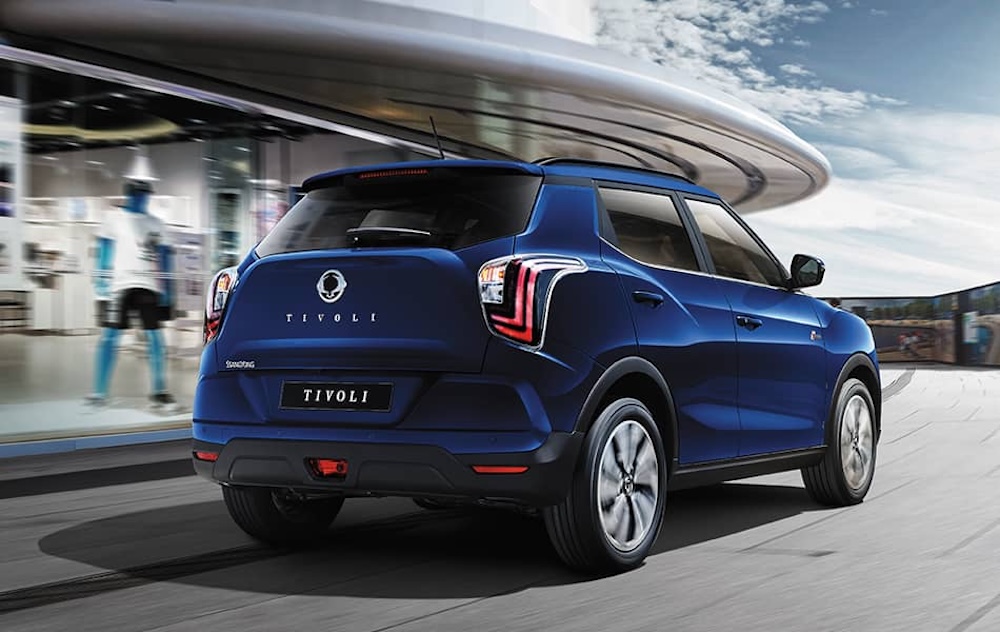
Still, SsangYong finally posted a real profit after many years. In 2017 they sold nearly 40,000 cars in export markets and 100,000 in South Korea. European sales barely grew, but in Russia - well, there they definitely grew. Over there they want size and “presence”; the cardboard seats and dashboard plastics that look like a marker-pen multipack don’t bother them.
The first Musso wasn’t typically ugly. Its proportions were quite dignified, with a sharply sloping rear and wide, all-encompassing lights. You wouldn’t confuse it with a Pajero, but it was a step in the right direction, proper 4x4 and fairly purposeful. On the downside: rust problems and overall reliability that lagged behind the Japanese. The body was penned by a Brit, Ken Greenley. Maybe that’s why, if you squint hard enough, the rear can sometimes remind you of a first-gen Range Rover.
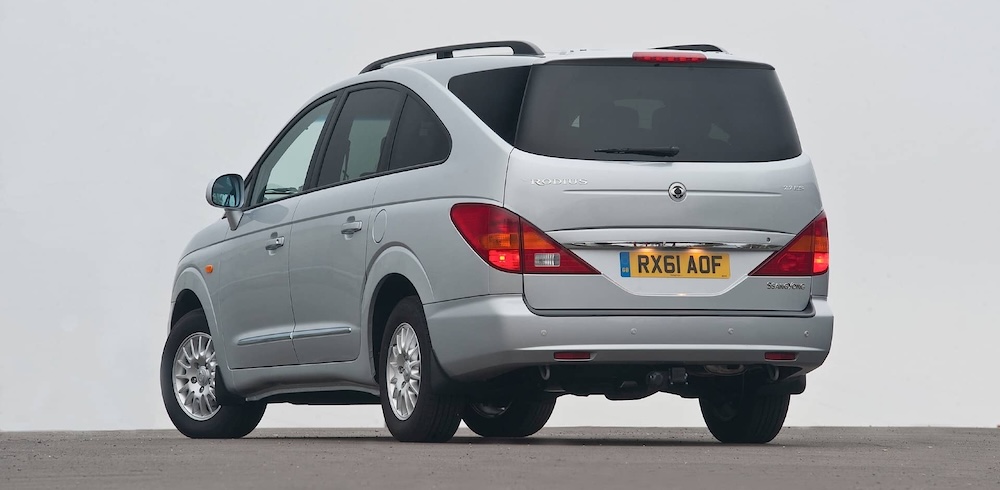
But Greenley’s next offspring was nowhere near as successful. In 2004 SsangYong began producing the 11-seat Rodius, which got battered and kicked in reviews for poor materials, assembly quality, handling, refinement, performance and economy. The positives were space and practicality, low price, decent Mercedes-Benz mechanicals (a 2.7 diesel and 3.2 straight-six petrol), and a long warranty, but it wasn’t enough. For years the punches kept landing below the belt: Top Gear gave the Rodius a “WTF of the Year” award, saying it rewrote the very definition of ugliness. Polls called it the ugliest car in the world, ugly enough that even its own mother would call it ugly, or “like a collapsing bus stop”. Weird, repulsive, embarrassing, porcine: it was widely considered a new 21st-century road horror. Yes, it looks more like the sagging forehead of an overweight teacher than a car, but it wouldn’t take much to change that, a more conventional grille, smaller lights, and flipping the rear pillar so it slopes down from the back of the roof to roughly the rear door handle area, and it wouldn’t be quite so pathetic.
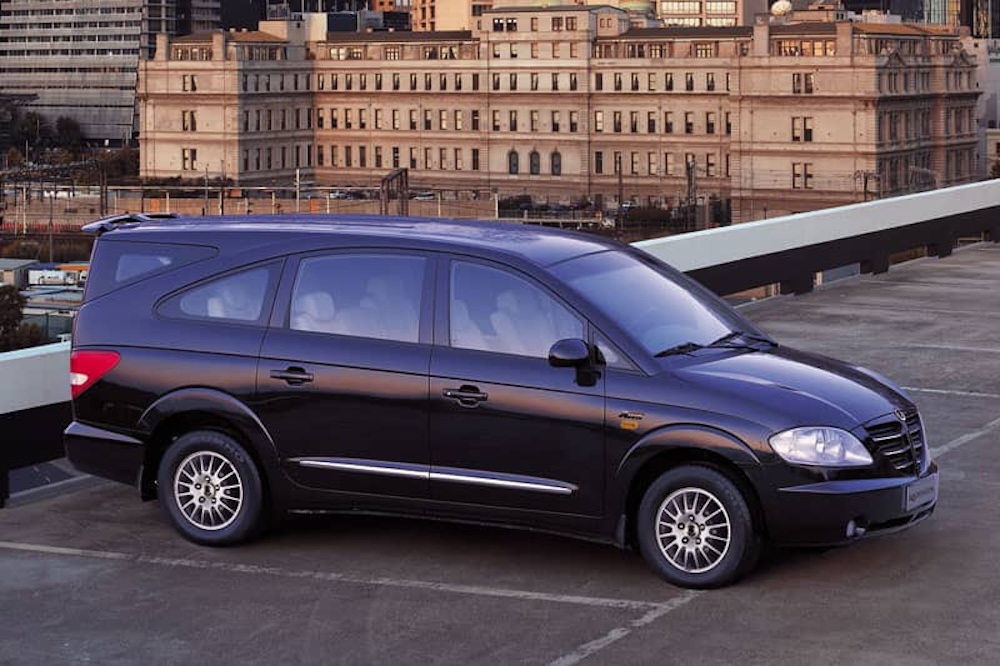
Modern SsangYongs are arguably attractive, but still obviously old-school: Asian in the styling sense, trying to play in the premium segment with lots of shiny mouldings, piano-black interior plastic and fussy lighting signatures. The cars also come with generous standard equipment. Add leasing options, and a new SsangYong might not actually be a stupid idea. They genuinely interest people who want a cheap new car, don’t care much about brand prestige, and are so sick of a grey sea of RAV4s.
And just when it looked like things were improving, right before Christmas 2020 SsangYong declared bankruptcy again. A company spokesman said the corporation owed banks nearly $300 million. Mahindra misjudged its time and resources. Today, SsangYong wears a new badge: KGM, short for KG Mobility. After the bankruptcy-era uncertainty, the company was taken over by South Korea’s KG Group, and in 2023 it rebranded to signal a cleaner break from the old chapter and a sharper focus on “mobility” rather than just legacy SUVs.
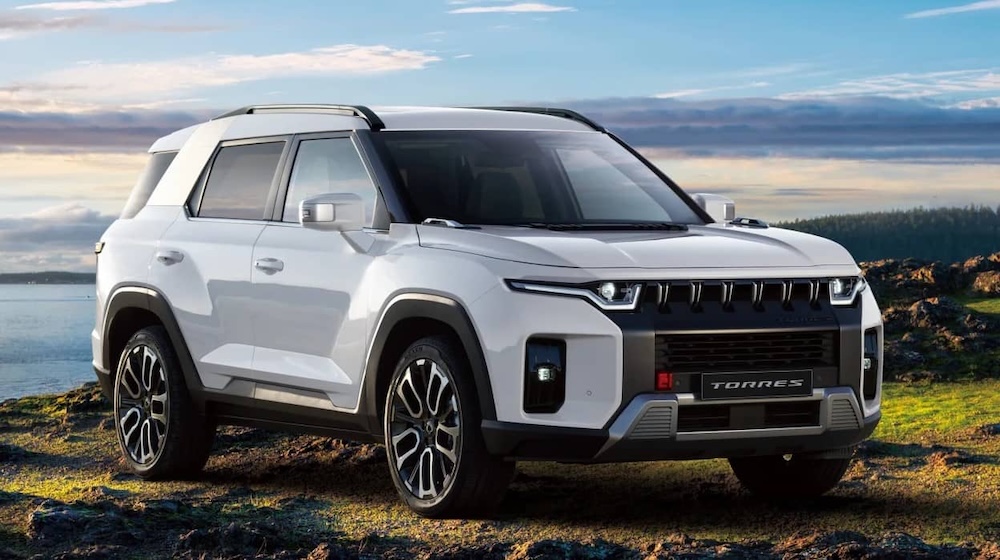
In most markets, KGM’s range is still built around the things SsangYong always did best: practical SUVs and tough-looking pickups, with newer design, more competitive tech and a growing EV push. Think Torres as the brand’s modern face, alongside familiar nameplates like Korando and Rexton, plus Musso in pickup form, with electrified variants entering the line-up. Will there be another bankruptcy in the future? We’ll have to wait.
---
We invite you to start your journey by exploring our broad selection of Car Categories. After that, feel free to visit the Classic Passion Shop, where you’ll find unique products from our partners — thoughtful picks for every enthusiast looking to add something special to their collection.