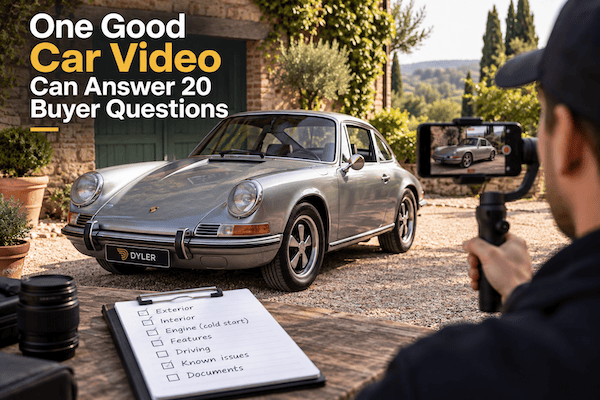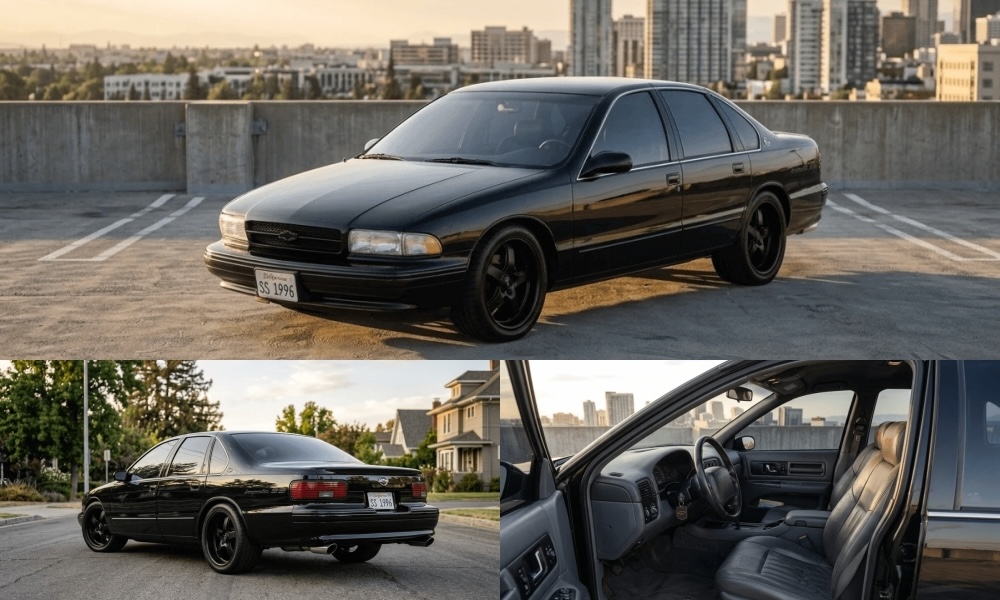
Usually, selling a classic car feels personal to the seller, but to the buyer standing in the driveway, it is mostly a financial decision, where every visible flaw of your car becomes a reason to pass or offer less. That said, it doesn't mean that you need to do a full frame-off restoration to sell your car for good money. In most cases, the best value comes from fixing small yet impactful details that would otherwise make the car look neglected or like a "bad deal" overall. Spending one weekend addressing them can help you sell the car faster and remove most of the buyer's objections they could potentially use to negotiate the price down.
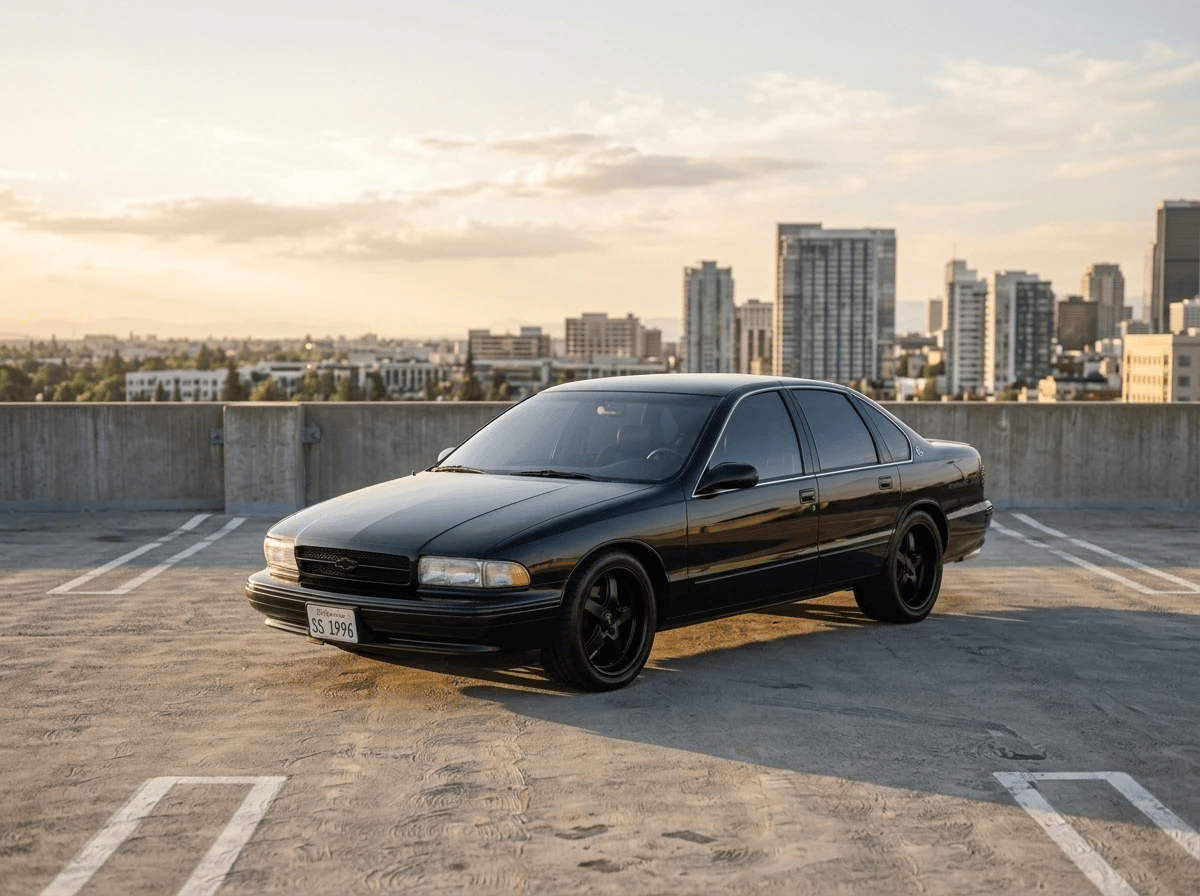
Optics
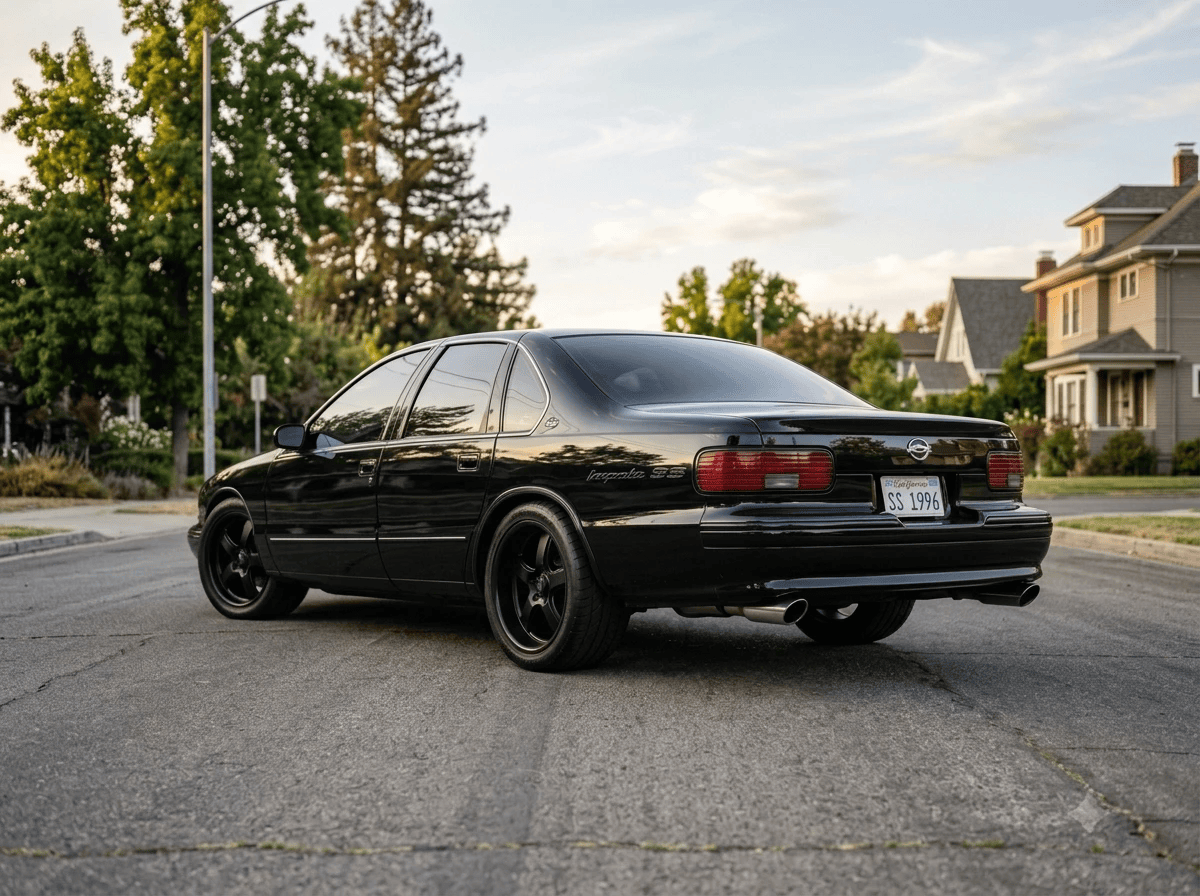
Cracked or hazy lenses are the first thing a buyer notices from about ten feet away, before they even look at the paintwork. This spiderweb-like cracking is called crazing, and it happens because of UV exposure, which makes the plastic itself deteriorate. It's usually not just surface damage, so polishing cannot repair it and replacement is the only fix.
Replacing a cracked set of Impala taillights with OE-quality optics that cost from $50 to $150 at parts shops like CARiD usually costs far less than a buyer would deduct for the old lighting.
Check that the new lenses carry the correct DOT or SAE casting marks, since buyers who know classic cars look for them.
If you have a problem with the bulbs themselves, even on new headlight or taillight units, it may be a symptom of a corroded ground strap, which is quite common on older cars. Cleaning that ground connection with a wire brush during installation usually solves it.
Drive-Away Confidence
One of the most important moments that either makes or breaks the sale is when a potential buyer turns the ignition on, so make sure the starter, alternator, and battery are in good shape.
Testing the battery with a multimeter is more reliable than assuming it is fine. A healthy 12-volt battery reads about 12.6 volts at rest. A reading below 12.2 volts usually means the battery is weak or something in the car is drawing power when it should not be.
Confirm the choke is adjusted correctly. If the car has been sitting for a while, prime the carburetor slightly before starting it, because modern ethanol-blended fuel evaporates quickly from the bowl. Without that step, the buyer may hear the starter turn over for several seconds before the mechanical fuel pump refills it. Two pumps of the accelerator pedal followed by a turn of the key should produce a clean start and a smooth idle.
Cleaning the engine bay with a citrus degreaser also makes a strong impression, but of course it should be done carefully to avoid damage. Wrap the distributor cap, coil, and alternator in plastic bags before spraying anything, since moisture underneath the cap can cause a misfire or a no-start while the buyer is watching.
Buyers often check the fluids themselves, so check them yourself before the buyer does. Brake fluid should be clear to light yellow. Dark brown fluid has absorbed moisture and needs to be flushed. Coolant should be a bright, era-correct green with no rust flakes visible in the radiator neck.
Interior Touchpoints
Buyers form an impression of the interior through touch and smell before they start the engine. A sweet smell similar to maple syrup usually means the heater core is leaking, not that the carpet is dirty.
It is worth fixing before selling, since heater core repairs often mean partially disassembling the dashboard, which is usually quite a labour-intensive procedure. Neutralize any genuine odour with an ozone treatment or baking soda rather than covering it up with air freshener.
On vintage vinyl dashboards, avoid standard silicone-based products like Armor All, because they can speed up outgassing and cause the dash pad to crack under UV exposure. A UV-blocking protectant made for older vinyl, such as 303 Aerospace Protectant, is a safer choice.
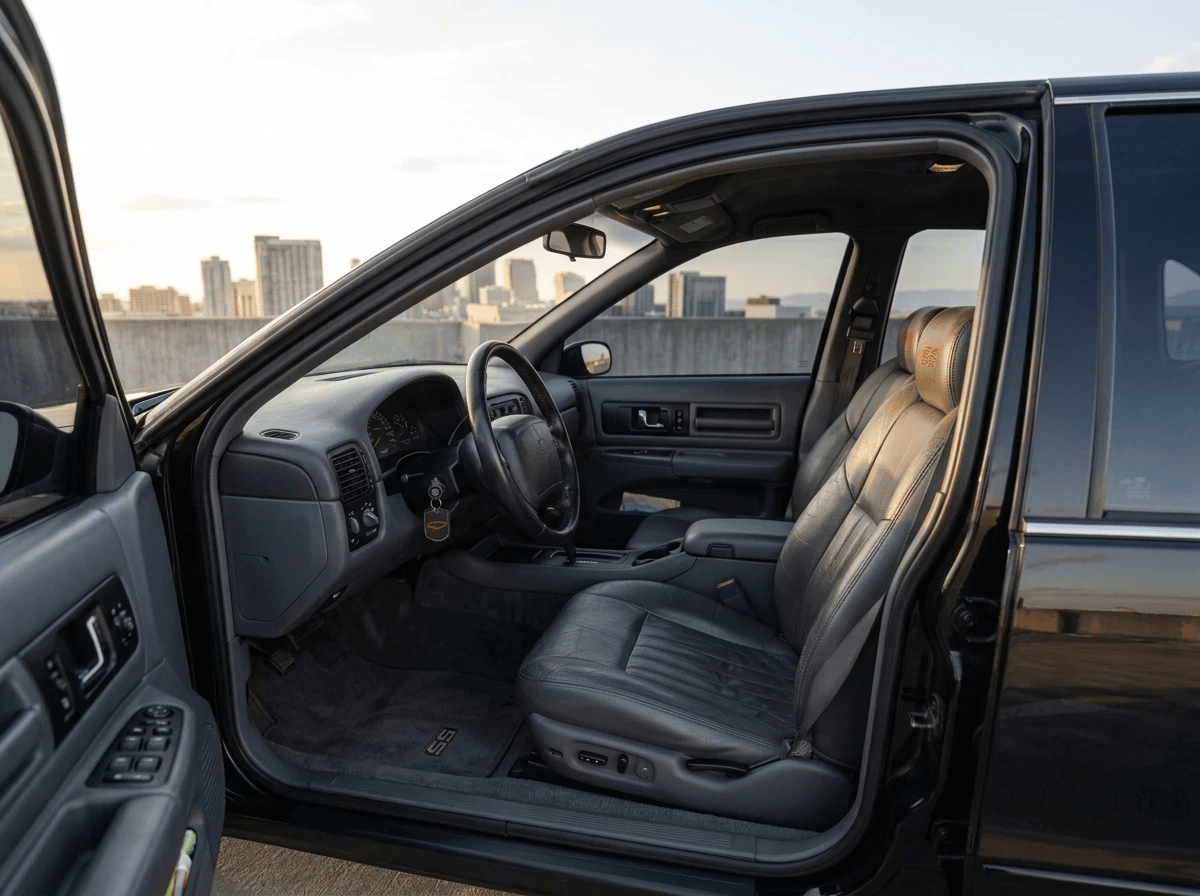
If the seats are sagging, the cause is usually the foam inside the seat, sometimes called the seat bun, breaking down into a fine yellow dust, rather than the vinyl stretching.
Replace blown gauge bulbs, fix switches that stick, and swap in new pedal pads, which cost about $10, along with a shifter knob if the original one has faded.
Detailing
If only one thing is worth paying a professional for, it is paint correction. Many classic cars still have their original single-stage lacquer or enamel paint, with the colour and gloss in one layer, unlike modern paint, which uses a separate clear coat over a base colour.
Because of this, oxidized single-stage paint responds dramatically to a professional cut and buff. A $200 to $300 detail can make a dull $15,000 car look closer to a $20,000 car.
Does your old-timer sit on a set of period-correct tyres? Scrub whitewalls or raised white lettering back to a true white, and finish the tyres with a matte dressing rather than a high-gloss spray, which looks artificial to experienced buyers.
The Paperwork Portfolio
A car with documentation to support its history sells for more than an equally clean car without paperwork. Look for the original Build Sheet, sometimes found under the rear seat springs or on top of the fuel tank, and the original Protect-O-Plate warranty card.
Ford owners can also order a Marti Report, which documents the car's original factory configuration. Check whether the engine and transmission casting numbers match the VIN. If they do not match, disclosing this and describing the replacement as period-correct builds more trust with a buyer than leaving the mismatch undisclosed.
Organize all of this material chronologically, starting with the original purchase paperwork, followed by restoration records, and ending with recent receipts such as those for the new taillights, to show a buyer that the car has been cared for consistently.
The Bottom Line
All of these steps don't require a big investment of time or money, yet they allow you to present the car in a much better light and close the sale faster. Once the lighting is replaced, the paint is corrected, and the paperwork is organized, take clear, well-lit photos of your car, preferably during golden hour, write a clear "For Sale" description covering the strongest features of your car, and publish it on Dyler's Marketplace!
---
We invite you to start your journey by exploring our broad selection of Car Categories. After that, feel free to visit the Classic Passion Shop, where you’ll find unique products from our partners — thoughtful picks for every enthusiast looking to add something special to their collection.