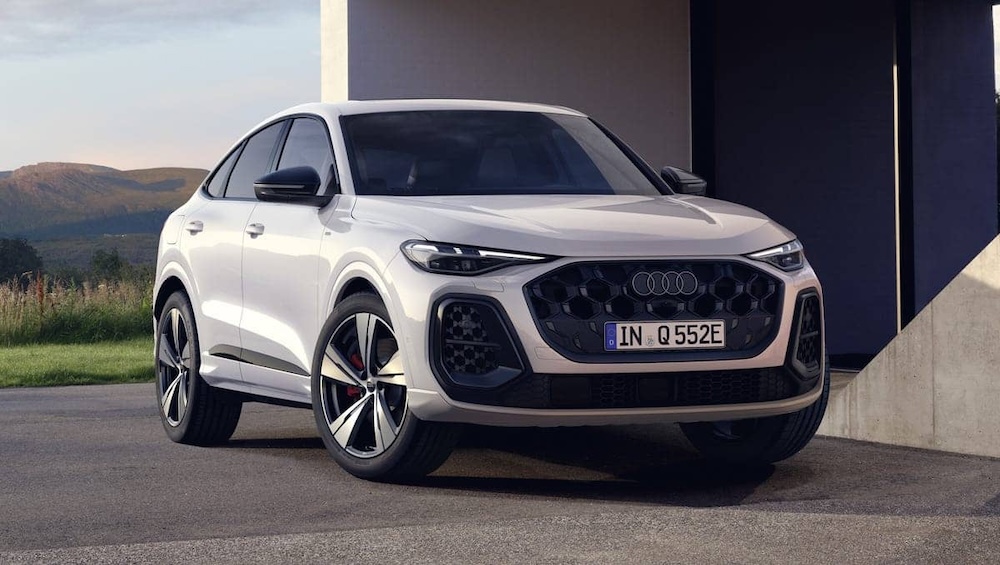
In recent years it has become increasingly difficult to explain what makes an Audi feel specifically like an Audi. The four rings remain, the word quattro appears everywhere, but the identity behind those familiar elements has grown strangely faint.
This matters because Audi was not always an obvious member of Germany’s premium establishment. It fought its way into that position with engineering, design and a stubborn willingness to do things differently. An Audi was neither a conservative Mercedes-Benz nor a rear-wheel-drive BMW alternative. It was the technical choice: discreet, aerodynamic and effective in poor weather.
What changed? Well, discretion has been replaced by aggression, technical character by software features and a once-clear model range by complicated tangles. Audi still produces good cars, but that is not an identity.
When Audi Meant Something
The original Audi Quattro arrived in 1980 with permanent four-wheel drive and a turbocharged five-cylinder engine. That technology was the personality. Rallying made that message impossible to ignore. Audi won the World Rally Championship manufacturers’ title in 1982, while Hannu Mikkola claimed the drivers’ championship in 1983. Stig Blomqvist and Audi won both titles in 1984. The boxy road car became desirable because it represented a genuine engineering advantage.
The original Audi quattro
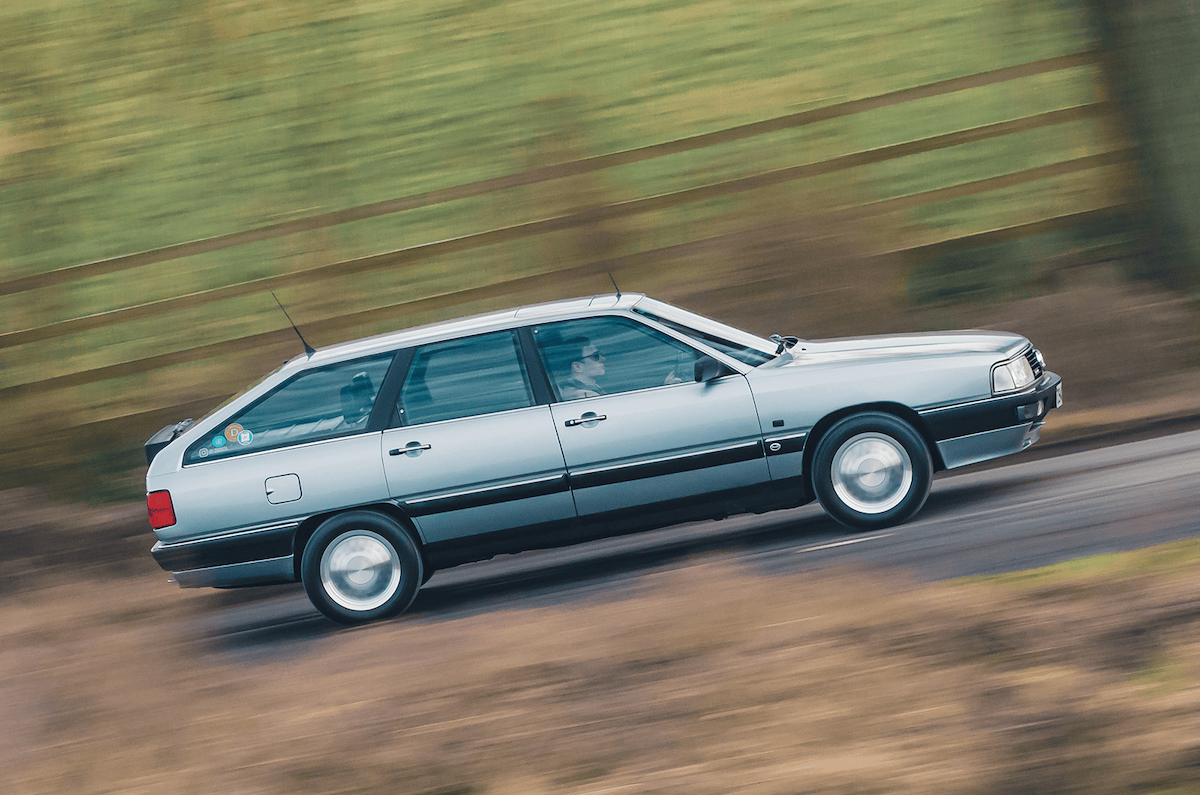
Then came the 1982 Audi 100 C3. Its smooth body, flush glazing and remarkably clean detailing produced a drag coefficient of 0.30, a record figure for a production saloon at the time. It looked advanced because it had been shaped around an engineering objective.
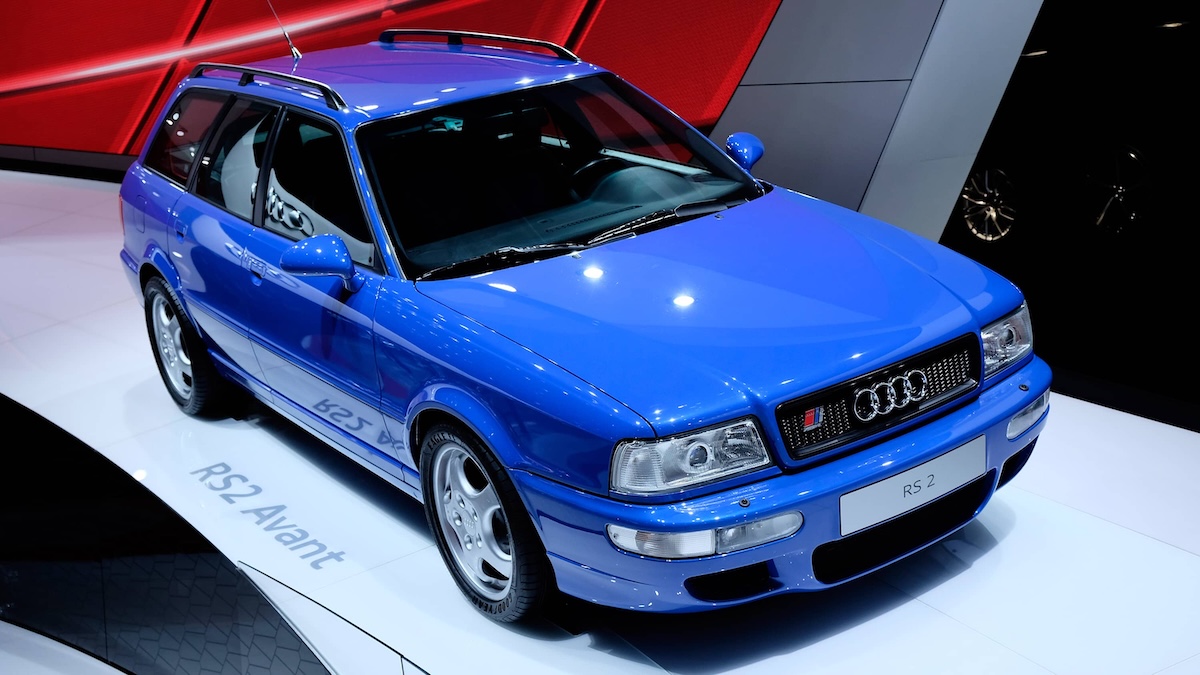
The first A8 used an aluminium Audi Space Frame. The RS2 Avant combined a versatile estate body with Porsche-assisted performance. The original TT took humble platform components and wrapped them in one of the clearest production-car shapes of the 1990s. Audi’s own historical archive calls its minimalist design an instant style icon.
These cars had very different purposes, yet they belonged to the same company. Each took an idea and followed it almost obsessively. Aerodynamics, lightweight construction, all-wheel drive or geometric simplicity became the organising principle for the whole vehicle.
From Identity to Styling Formula
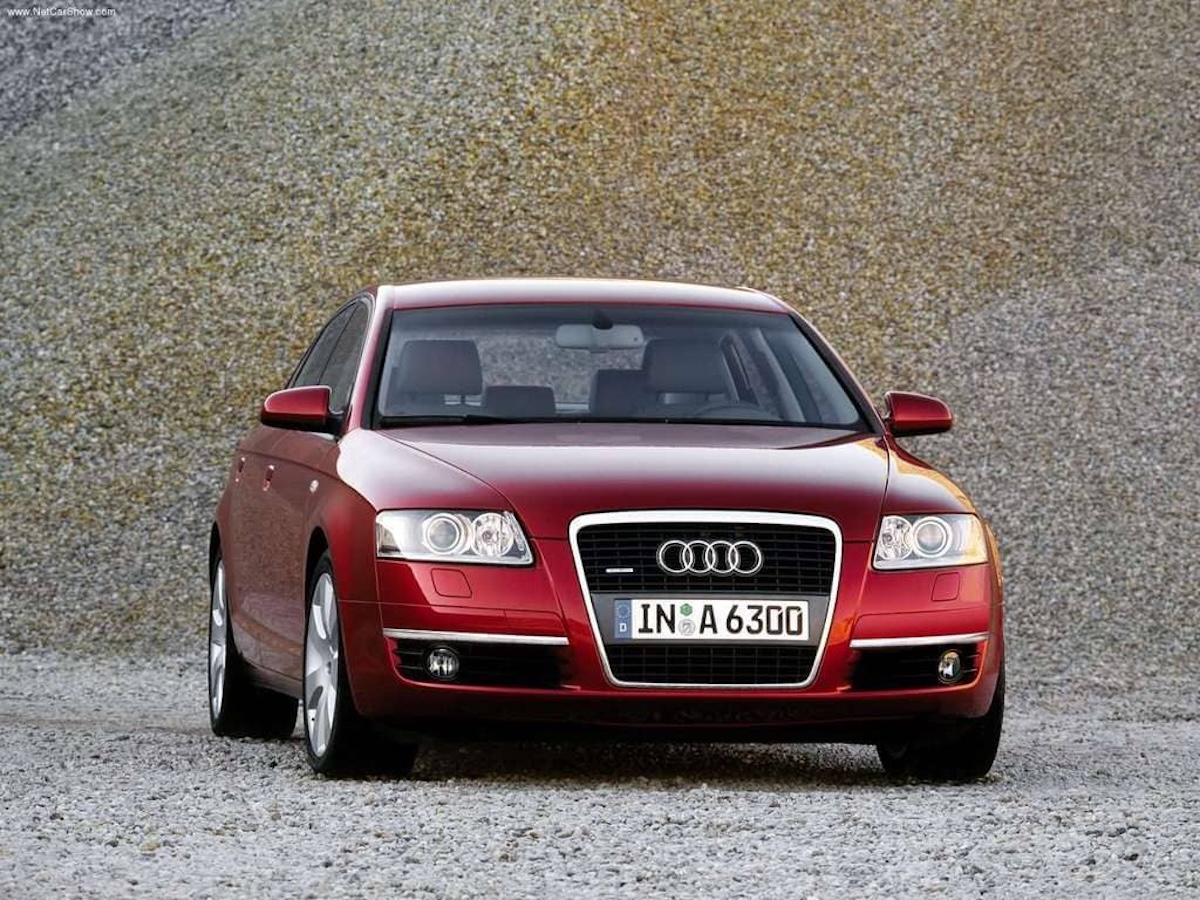
The Singleframe grille was initially a strong piece of branding. On cars such as the mid-2000s A6, it gave Audi a face that could be identified immediately. Inevitably, it grew. It became wider, more angular and surrounded by increasingly elaborate vents.
The same formula then spread across almost every model. Saloon, estate, hatchback and SUV received a variation of the same grille, sharp lamps and heavily sculpted bumper. This is especially awkward on electric cars, where the large grille often has little cooling work to perform. It becomes a dark panel representing an opening that no longer needs to exist. Audi’s reputation was built on functional design, but some of its most visible modern features are now just imitations.
Lighting has taken over much of the work once done by proportion and surface. Audi remains one of the industry’s leaders in headlamp technology, but selectable daytime-running-light patterns and animated welcome sequences are difficult foundations for lasting design identity.
The A6 e-tron uses lighting and a closed grille panel to establish its identity
What Does Quattro Mean Now?
The dilution is not limited to styling. Quattro once described one particularly compelling mechanical idea: permanent all-wheel drive built around a centre differential. By 2020, Audi acknowledged that its range employed four different all-wheel-drive clutches and four centre-differential arrangements. Longitudinal models could use a self-locking centre differential or the disconnecting quattro ultra system. Transverse-engined cars relied on a rear-mounted multi-plate clutch, while electric models distributed power through their motors without a mechanical connection between the axles.
So quattro has become an umbrella term covering several unrelated mechanical solutions. And that is the wider problem. Audi’s language remains, but the meanings of its words have become quite flexible. The company’s recent naming confusion demonstrated the same tendency. Audi planned to assign odd numbers to combustion-powered cars and even numbers to electric models. The A4’s intended successor therefore became the A5, while the electric A6 e-tron would coexist with differently positioned combustion models.
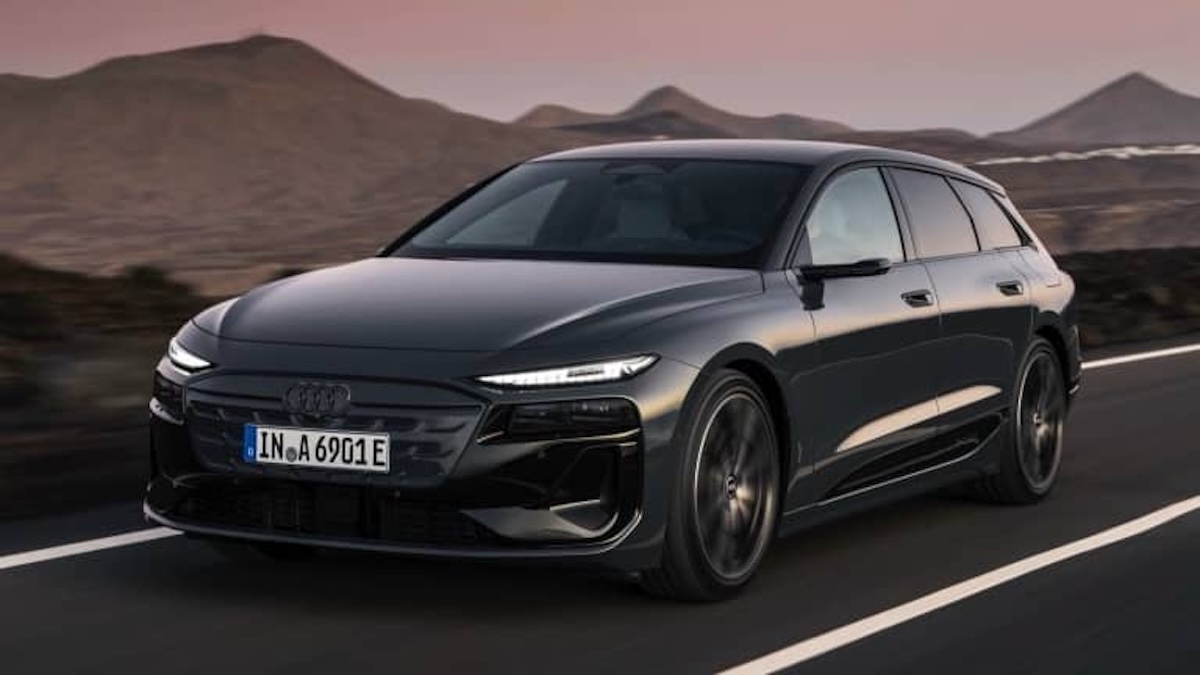
In February 2025, Audi abandoned the policy following feedback from customers and dealers. Numbers once again indicate a model’s size and position rather than its powertrain.
Even the Four Rings Are Optional
Perhaps the strangest development is the new China-exclusive AUDI sister brand, created with SAIC. Its name is written in capital letters, and its cars do not wear the four-ring emblem. The new AUDI A5 Sportback combines German development input with a China-focused electric platform, a 27-inch display and locally tailored digital technology. It may be an intelligent response to a rapidly changing market. Nevertheless, the idea of an Audi-branded vehicle without Audi’s defining badge feels symbolic. Even the company’s visual identity has become something that can be adjusted according to market requirements.
The China-only AUDI E5 Sportback replaces the four rings with lettering
There are signs that Audi understands the problem. The 2025 Concept C introduced a new philosophy based on what the company calls “radical simplicity.” Its interior combines a folding 10.4-inch display with physical switches, real metal and a deliberate return to the tactile “Audi click.” Outside, a vertical front frame replaces the stretched Singleframe and draws inspiration from both the 1936 Auto Union Type C and the 2004 A6.
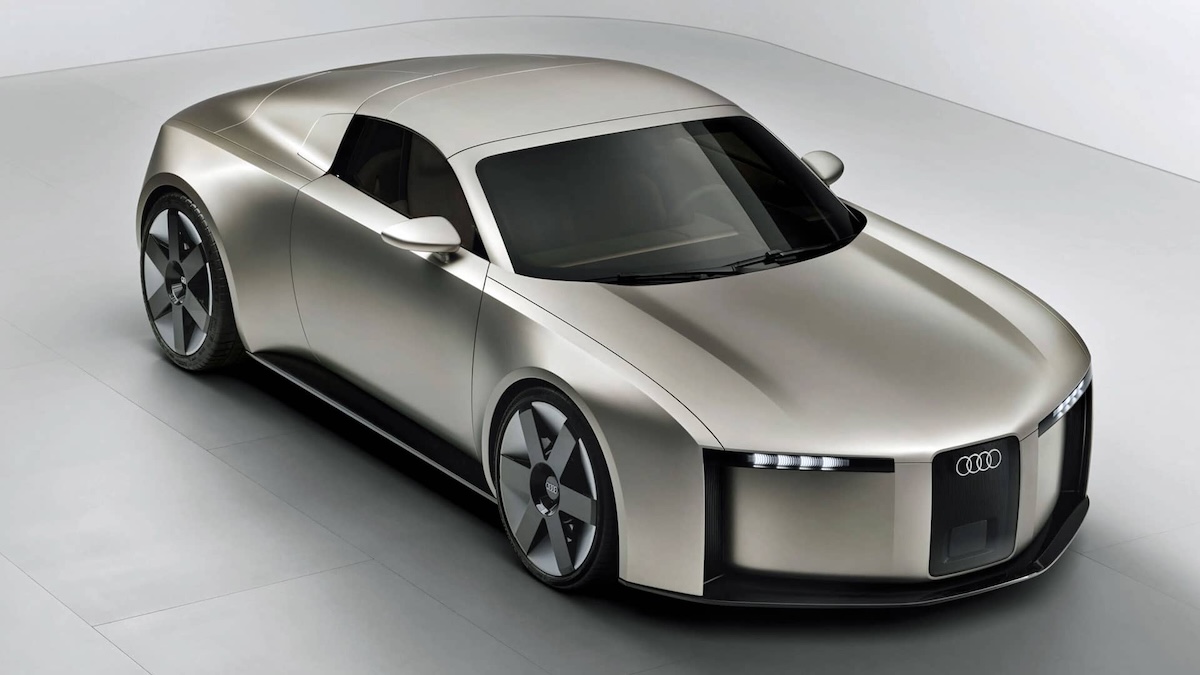
The Concept C is restrained, geometric and confident. More importantly, it suggests that Audi has remembered a screen should not dominate an interior and that simplicity does not mean removing every control. The five-cylinder RS3, RS6 Avant and continuing development of quattro prove that pieces of it remain, but they now feel like isolated reminders rather than the organising logic of the entire brand. Audi became Audi by allowing engineering ideas to shape its cars with unusual discipline. If the company wants its identity back, it must once again give the technology something meaningful to say.
---
Looking for your next classic or enthusiast car? Explore Car Categories on Dyler.
Discover automotive-inspired products at the Classic Passion Shop.
You can also explore CoinGate Gift Cards.