The first production Saab 9-4X pretty much had an appointment to museum from the get-go. In February 2011, Saab announced that chassis 00001 would attend an American media event before travelling to its museum in Trollhättan. Preserving the first example was perfectly normal. What nobody intended was for almost the entire model’s history to fit between that announcement and the following Christmas.
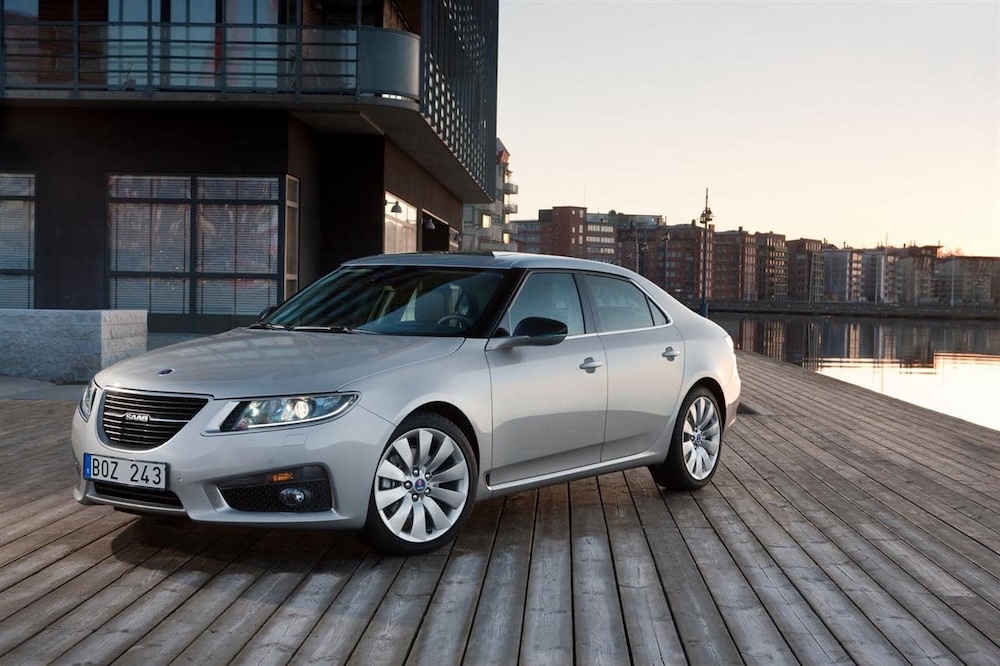
Beside it stood the second-generation 9-5. A handsome, serious and ambitious car. Together, these cars make Saab’s ending particularly uncomfortable. There was fresh metal in the showroom, with more waiting behind the curtain. Strictly speaking, they were not the last Saabs manufactured. Under NEVS, the older 9-3 returned to production in December 2013. But the 9-5 and 9-4X were Saab’s final new production-model introductions before its collapse: the clearest surviving evidence of where the company thought it was going.
The 9-5 arrived carrying an awkward inheritance. Its predecessor had remained in production for thirteen years, an eternity in the executive-car business. When the final first-generation estate left Trollhättan in February 2010, Saab had built 483,593 examples of that car. Its replacement needed to recover more than lost sales – the habit of even considering a Saab.
Architecture
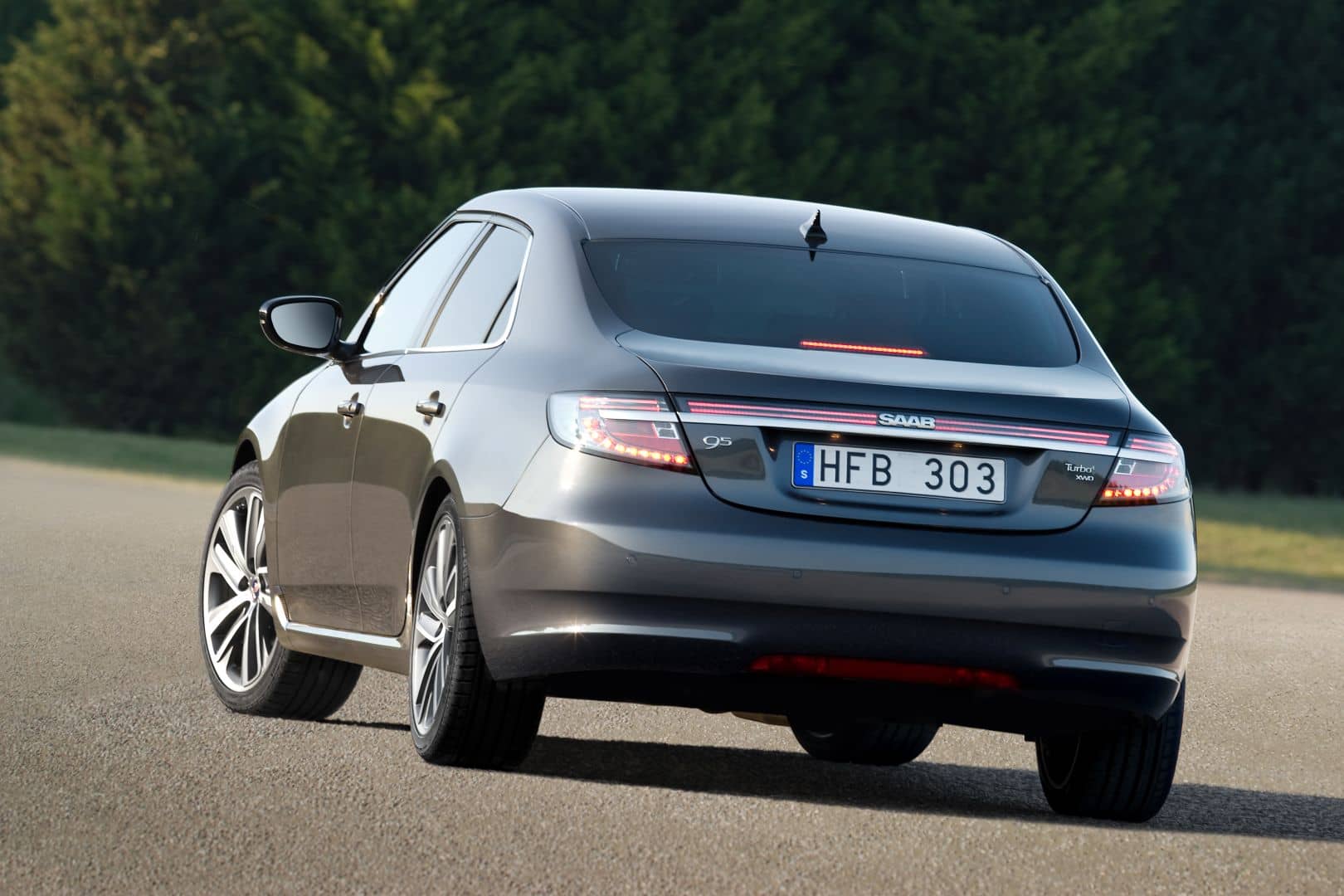
Visually, it was great. The darkened pillars created a continuous sweep of glass, while the shoulder line retained Saab’s familiar hockey-stick gesture. There was something almost architectural about its restraint. The design could look severe in photographs, but quite graceful in traffic. Saab explicitly connected its shape to both the Aero X concept and the classic 900.
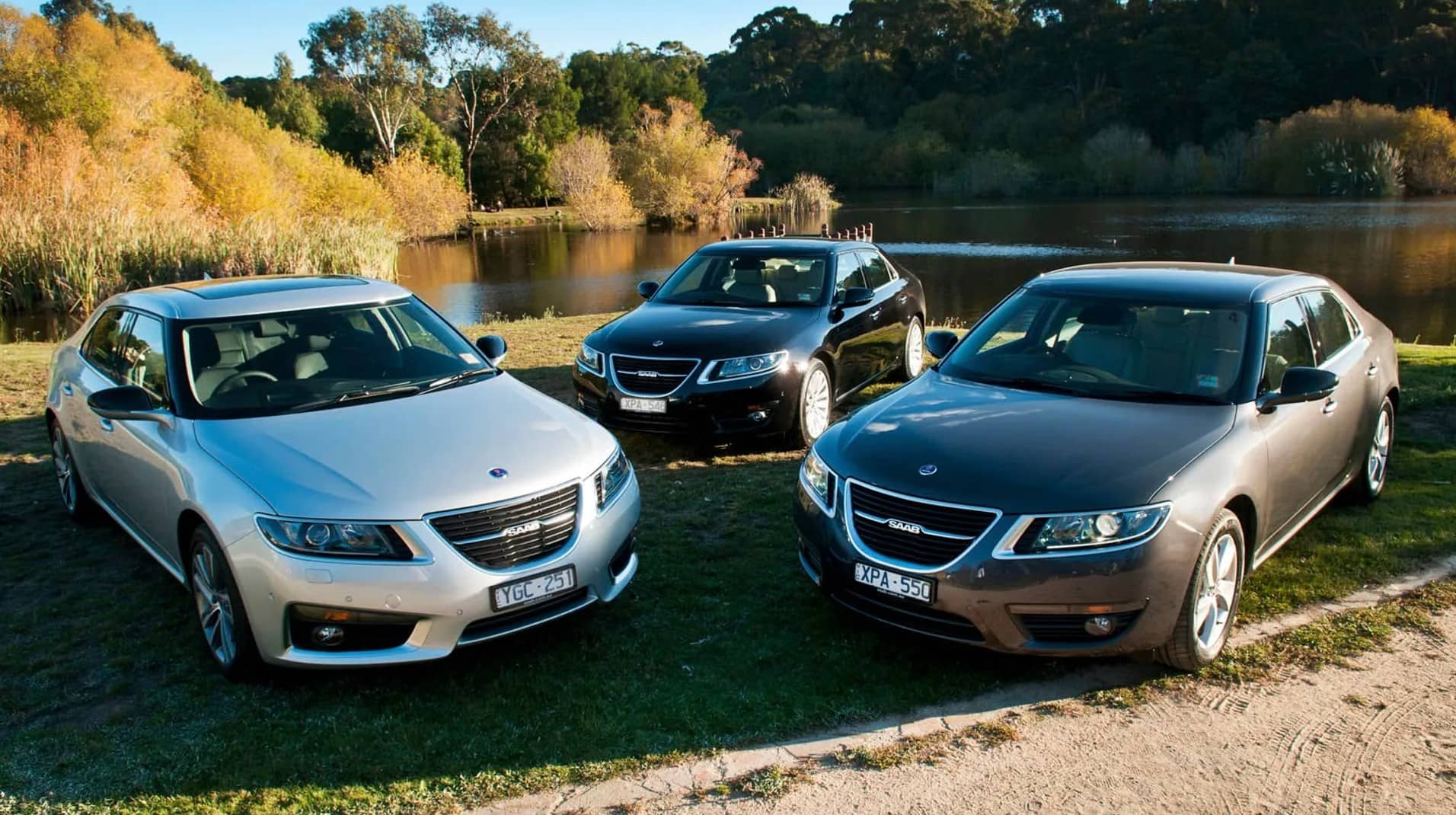
Underneath, it shared General Motors architecture with the Opel Insignia. That fact has sometimes been treated as a complete review, which is lazy. Shared foundations do not determine every quality of a car, any more than shared flour makes every bread identical. Still, the relationship embodied Saab’s predicament that it needed the industrial resources while preserving the boutique temperament.
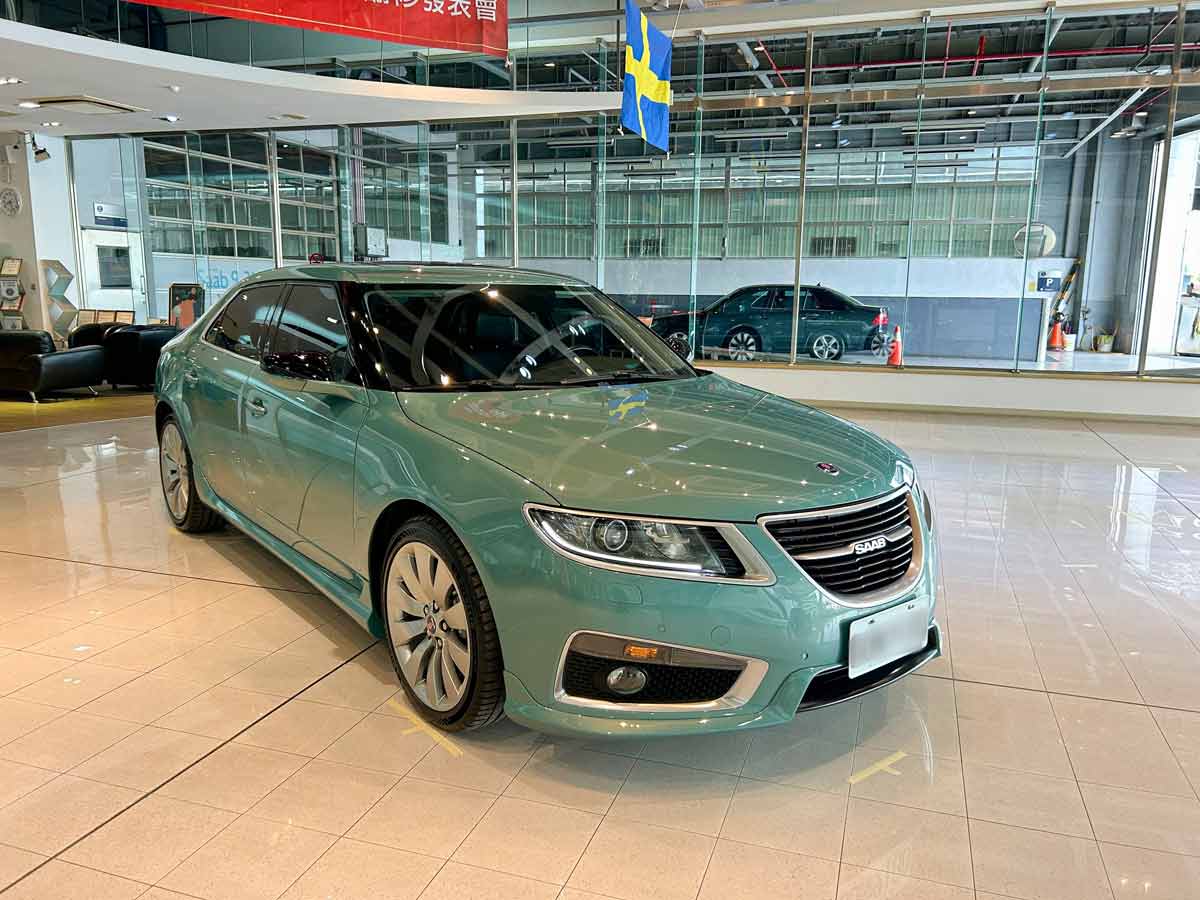
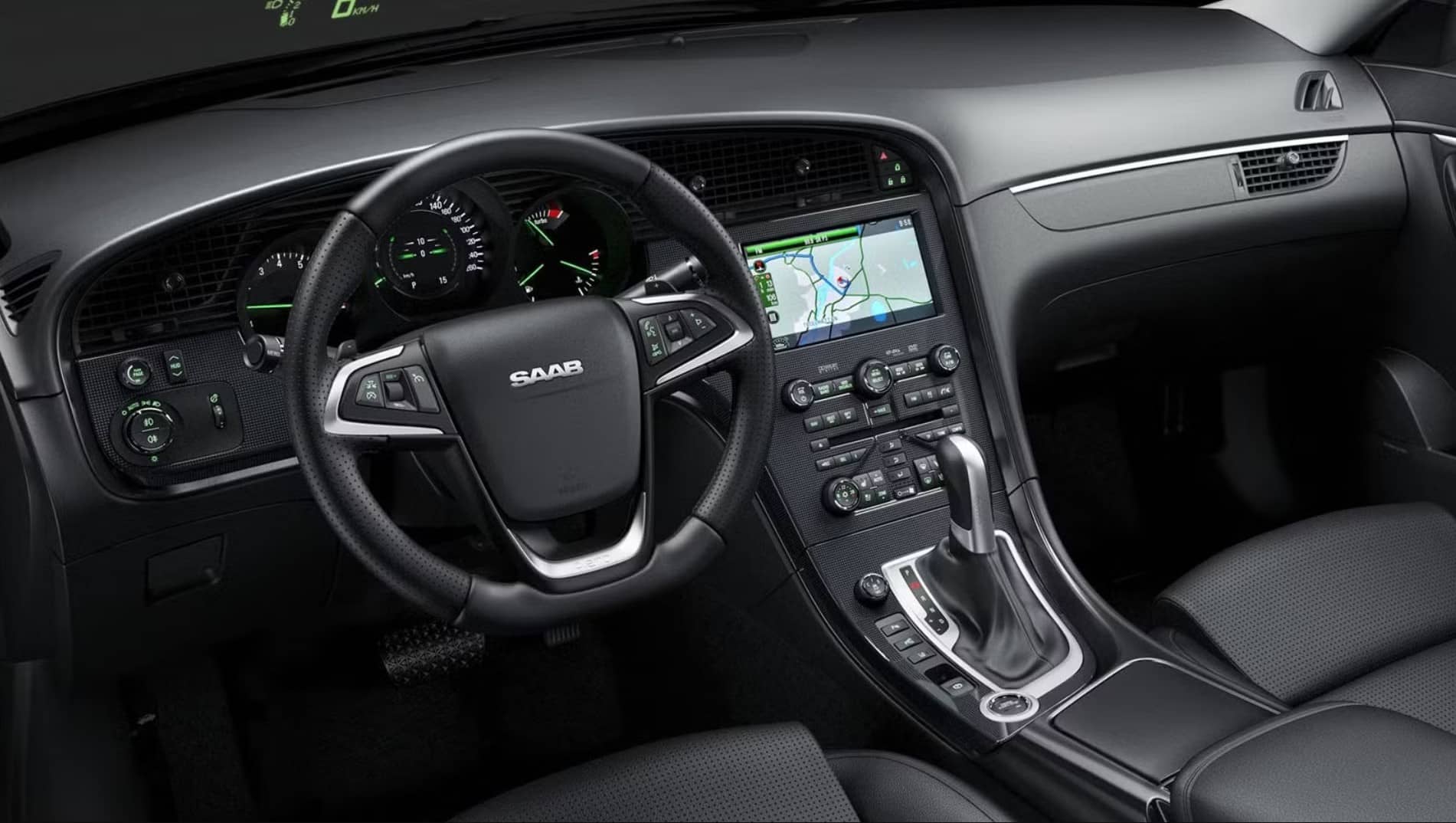
Saab offered a head-up display, adaptive damping and an all-wheel-drive system with an electronically controlled rear limited-slip differential. The engine programme encompassed petrol, diesel and E85 bioethanol. Here was a company assembling a broad executive-car proposition.
The Estate
The most affecting 9-5 story, however, belongs to the estate that never properly reached customers. The SportCombi survives in the peculiar territory between production car and historical accident. The enthusiast register records at least 37 built examples. These were tangible cars, but the unfinished approval process left auction buyers facing the possibility of owning vehicles they could not register.
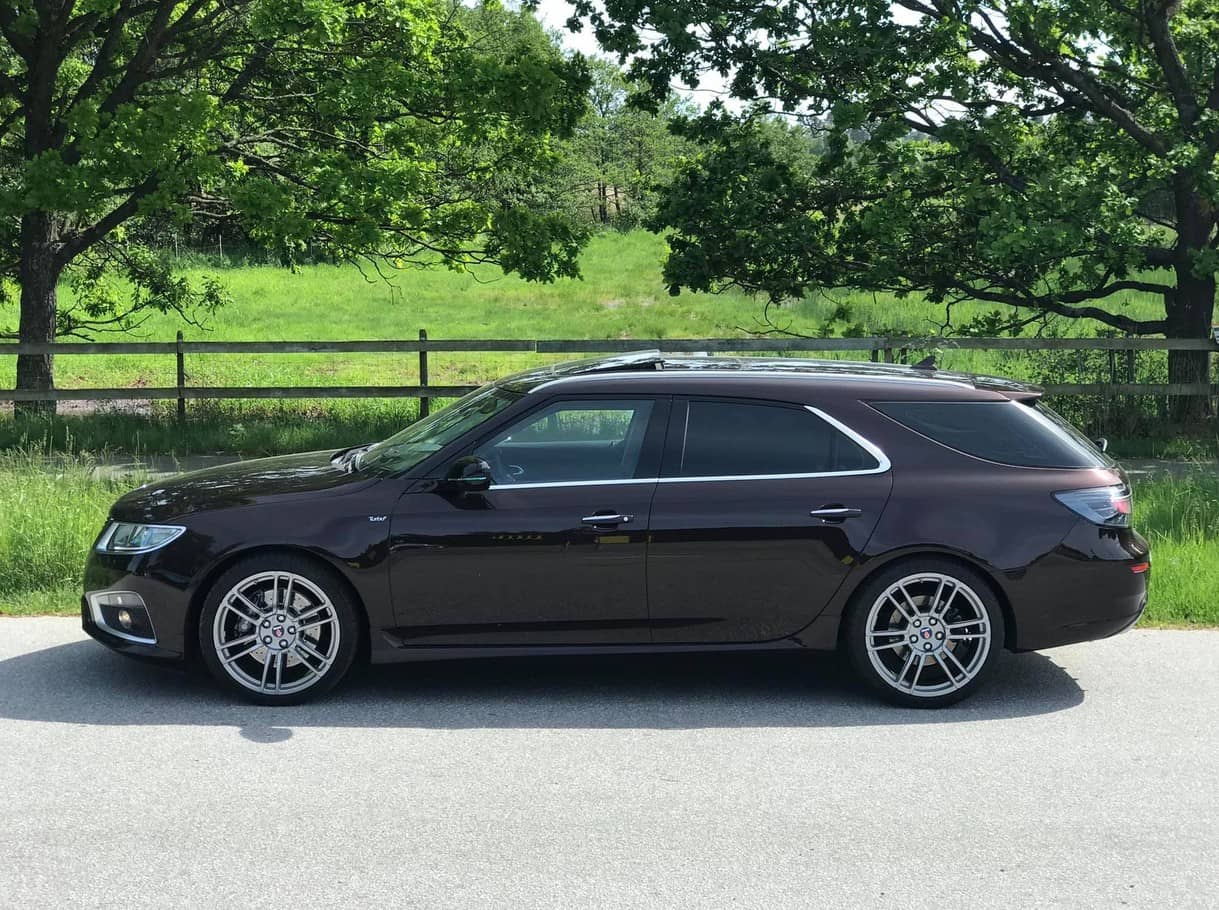
One person bought an Arctic White example at the December 2012 auction and spent more than ten months pursuing its return to public roads. German approval eventually provided a route forward, but Swedish acceptance required further persistence. There is something beautifully disproportionate about this effort. The prize was an estate car. It could carry shopping. Yet obtaining permission to do so became a small private campaign. Saab loyalty often receives the word “eccentric”, but here, stubbornness seems the more useful compliment. The estate was also so good looking and practical that certain Saab enthusiast have built their own SportCombis, using the saloon version as a base and certain Opel Insignia parts for the rear hatch treatment.
The SUV
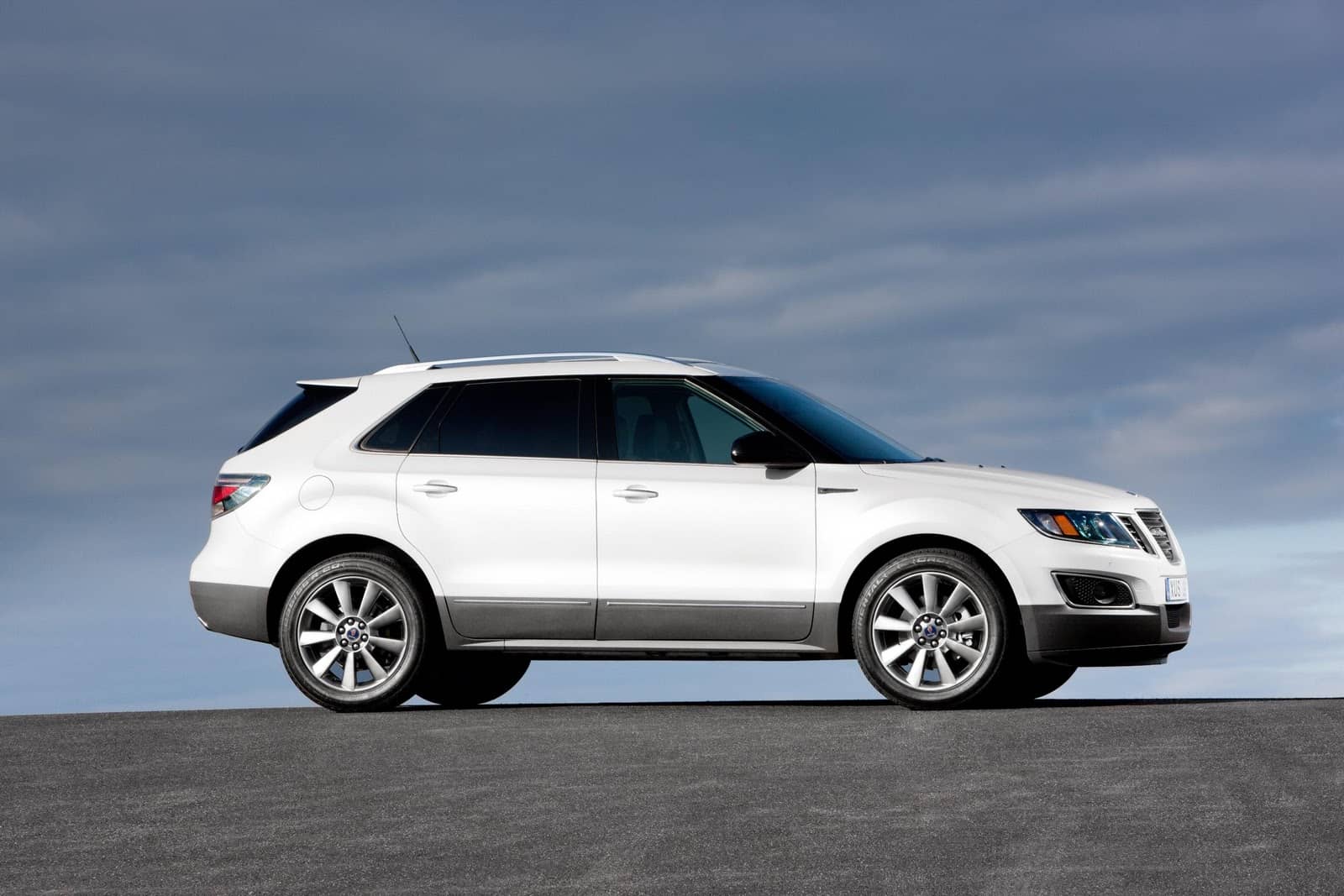
The 9-4X approached the future from another direction, geographically and commercially. Built at GM’s Ramos Arizpe plant in Mexico, it shared its underlying platform with the Cadillac SRX. Saab needed access to the crossover market, particularly in America, and this was its answer. Its development concealed an especially curious disguise. According to researcher Henrik Zaar’s production report, 32 test vehicles began with 9-4X underpinnings and received bodies from the older 9-7X. These mules started their journey in Ohio and were completed in GM’s prototype facilities in Michigan.
Inside the finished car, Saab’s rituals remained visible. The ignition control sat between the seats, the ventilation outlets used characteristic grid patterns, and Night Panel reduced illumination for darkness. The owner’s manual specifies that the speedometer remained unaffected while other cabin lighting was reduced. Such details sound insignificant until you consider how much of a marque’s personality lives in repeated, ordinary gestures.
Buyers could choose a naturally aspirated 3.0-litre V6 or the Aero’s turbocharged 2.8-litre V6. Diesel proposals never reached production, leaving an obvious difficulty for European ambitions. In America, the contemporary reception was more nuanced than the car’s obituary. Edmunds criticised the base engine’s performance but praised the crossover’s steering response and handling. It had merits and shortcomings that deserved several model years of argument.
Instead, even counting the cars became detective work. The frequently repeated total is 814, but Zaar’s independently compiled report identifies 673 regular production examples and estimates approximately 130 pre-series vehicles, giving roughly 803 altogether. The report explicitly acknowledges uncertainty around the prototype total, because the factory closed before anyone could finish the bookkeeping.
Saab filed for bankruptcy on 19 December 2011. The cars it left behind invite an easy sentimental verdict, but neither deserves automatic greatness merely because its maker disappeared. Both contain decisions worth examining, ambitions worth questioning and details that reward the curious eye.
Look at a surviving 9-5 or 9-4X and the strange sensation is how much ordinary life it still promises. There should have been another winter, another service, a revised engine, a mildly improved dashboard. They look ready for life. Especially since they are such great driving cars. Not just comfortable – they possess decent handling character, well appointed interiors, good looks and even better ergonomic solutions. The remaining cars also show they are reliable and dependable in everyday life. Just imagine how much more there could have been. That is the small cruelty of these last Saabs. They were ready to live.
---
We invite you to start your journey by exploring our broad selection of Car Categories. After that, feel free to visit the Classic Passion Shop, where you'll find unique products from our partners — thoughtful picks for every enthusiast looking to add something special to their collection. And if crypto is part of your world, you can discover some of the best gift cards to buy with cryptocurrency through CoinGate Gift Cards.


