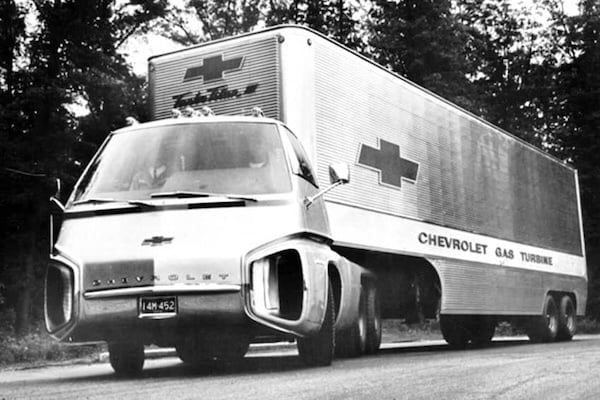
The tractor can be the same when the work behind it changes completely. Hook to a dry van and you may spend the next stop backing to a dock. Hook to an open deck and you may be checking straps in the yard before you turn a mile. A hazmat load brings its own paperwork and training, even if it rides in a familiar enclosed trailer. If you're comparing CDL-A work around Dallas–Fort Worth, start with the freight and what you'll do at each end of the run.
The differences become especially interesting when looking at automotive transportation. Classic and collectible cars, like those advertised on Dyler.com, can require specialized handling depending on their value, condition and destination. Moving a restored vintage car is not the same as delivering palletized goods, but both jobs demonstrate how trailer selection and cargo requirements shape a driver's responsibilities.
| Assignment | Work to expect | Ask before you apply |
|---|---|---|
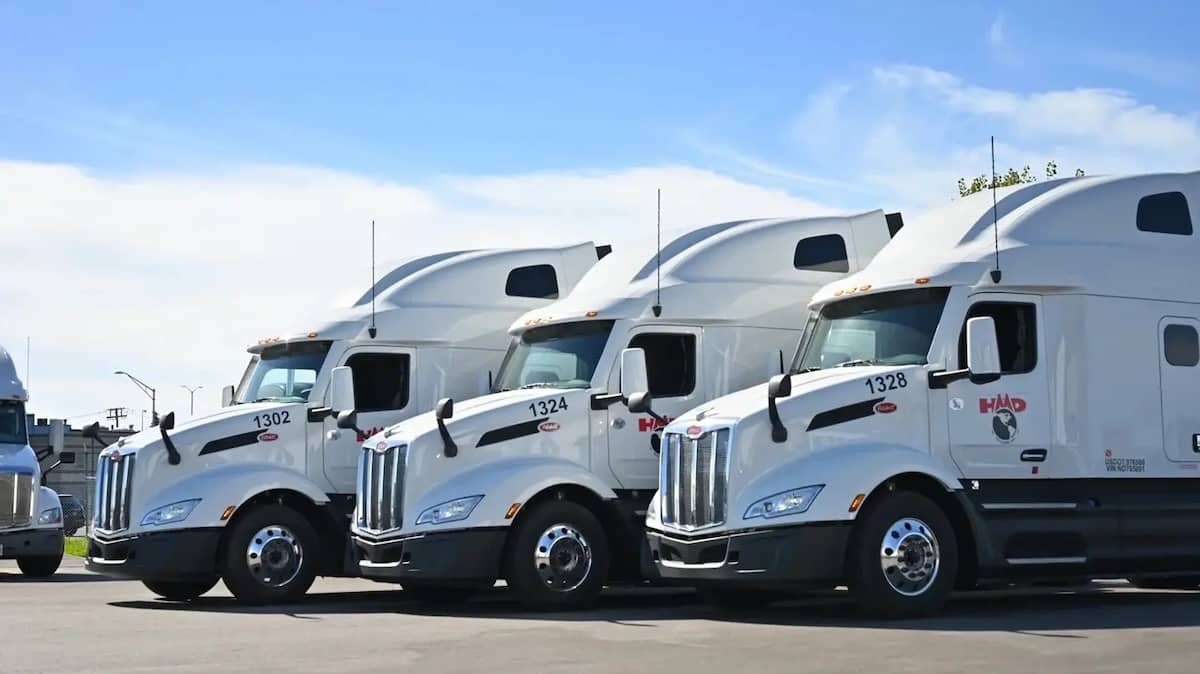
| Dry van | Enclosed freight, dock work, live loads or trailer swaps | How much freight is drop-and-hook? |
| Flatbed | Open-deck cargo, securement, sometimes tarping | What freight will I haul, and who trains me to secure it? |
| Hazmat | Regulated freight, shipment documents, job-specific training | Which loads and endorsements does this account require? |
Dry van makes the dock part of your day
An enclosed dry van carries goods that need protection from weather and can travel without temperature control. Think boxed goods and palletized freight. On a drop-and-hook account, a loaded trailer may be waiting for you. On a live load, you stay with the trailer while the warehouse works. Ask which pattern the dispatcher actually sees. Both can be described as no-touch freight, but they put very different demands on your schedule.
Ask whether the assignment includes driver unloading, pallet exchanges or multiple stops. If you're paid by the mile, find out how waiting is documented and when detention begins. Those details tell you more about the week than a generic dry van label.
Enclosed transportation also matters in the classic car market, although vehicles typically travel in purpose-built enclosed car carriers rather than standard dry vans. Buyers browsing classic cars on Dyler.com may encounter vehicles located hundreds or thousands of miles away. For valuable automobiles, enclosed transport can help protect paintwork, chrome and interiors from road debris and weather. This is another example of how the nature of the cargo determines the equipment and handling procedures needed for delivery.
Flatbed puts the load in view
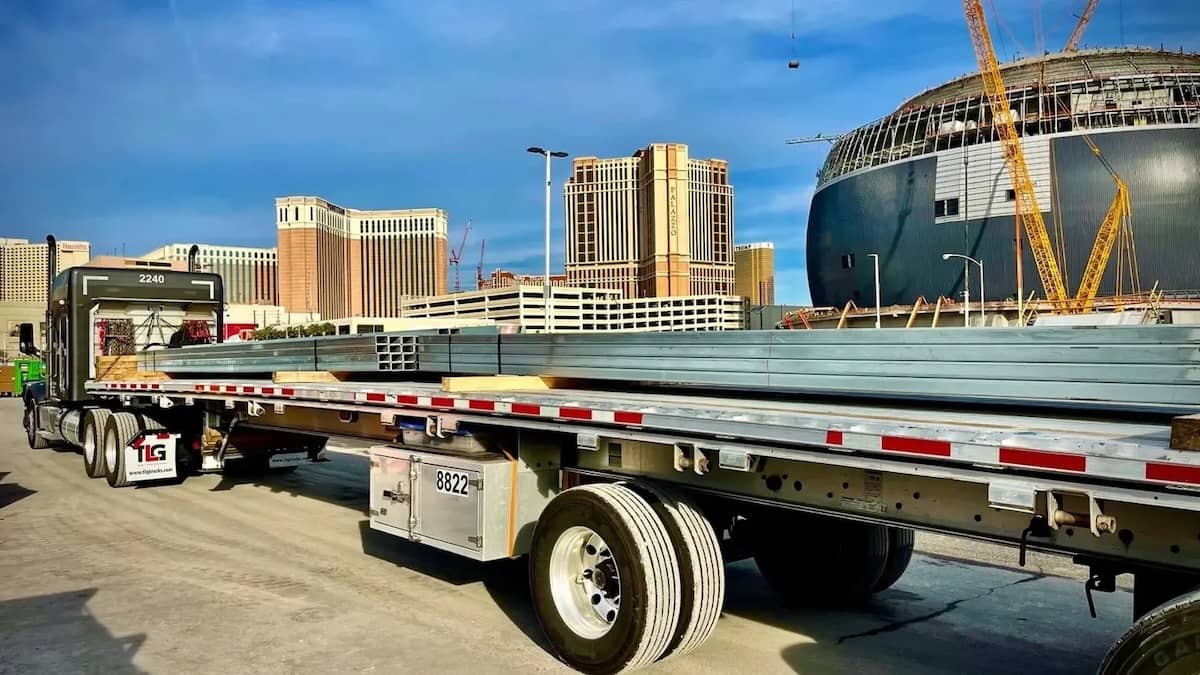
Open decks can carry freight such as steel, lumber and machinery. The work before departure can include checking the cargo, placing or inspecting securement equipment and putting on a tarp when the load requires one. The exact approach depends on the cargo. FMCSA’s cargo securement rules and 49 CFR § 392.9 cover securement and inspections, including rechecks during transport where applicable.
If you're moving from van to flatbed, ask what freight the company uses during training and who checks your first loads. Ask whether the carrier provides straps, chains and tarps and how tarping is paid. An account that mainly hauls one commodity may give you a very different learning curve from a job that sends you out with several kinds of equipment and freight.
Vehicle transportation offers a useful comparison. Some classic cars, restoration projects and non-running vehicles may be transported on open automotive trailers, depending on their condition and the owner's preferences. For collectors exploring vehicles through Dyler.com, understanding the difference between open and enclosed transport can be part of planning a purchase. Proper loading angles, wheel restraints and vehicle clearance matter just as much as choosing the right trailer.
Hazmat adds responsibilities for the load
Hazmat describes the material and the rules that apply to the shipment. The cargo and packaging determine which equipment, placards and procedures the job calls for. For a Texas CDL hazardous materials endorsement, the Texas Department of Public Safety describes the knowledge test, TSA security assessment and entry-level training for first-time applicants. The hazmat employee training rules in 49 CFR § 172.704 also cover training for the work the employee performs.
Ask which materials the fleet hauls, what endorsement the account requires and how it trains drivers for the loads they will handle. Get the name of the safety contact you would call if a shipment arrives with a paperwork or placard question.
Automotive logistics can involve regulated materials as well. Vehicles and automotive components may contain fuel, batteries or other substances that require attention under applicable transportation rules. This is particularly relevant when shipping older vehicles internationally, including collectible models found through Dyler.com. Requirements depend on the shipment, transport method and applicable regulations, so drivers and shipping companies need to verify the relevant documentation and handling procedures before departure.
Pick the work you want to do between miles
If you like dock work and a familiar trailer, start with dry van. If you want hands-on work with the freight, ask about flatbed training and the first commodities you'll haul. If you're considering hazmat, get the account's training and endorsement requirements before applying. Experienced drivers looking for multiweek runs can compare HMD's truck driver jobs in Dallas, which list dry van, flatbed and hazmat options. Ask the recruiter to walk you through a normal pickup and delivery for the exact assignment. That's where the difference between these jobs becomes clear.
The same principle applies when arranging transportation for a classic or collectible vehicle. Whether someone is buying a vintage sports car, restoring an older American model or comparing listings on Dyler.com, the shipping process deserves careful consideration. Asking about carrier experience, loading equipment, insurance coverage and delivery conditions can help protect the vehicle throughout its journey. In trucking and automotive collecting alike, understanding what happens between pickup and delivery makes a meaningful difference.
---
We invite you to start your journey by exploring our broad selection of Car Categories. After that, feel free to visit the Classic Passion Shop, where you'll find unique products from our partners — thoughtful picks for every enthusiast looking to add something special to their collection. You can also explore Dyler Gift Cards. And if crypto is part of your world, you can discover some of the best gift cards to buy with cryptocurrency through CoinGate Gift Cards.