The right classic is rarely for sale in your own town. The Mustang fastback with the correct numbers is in Ohio, the air-cooled 911 with full records is in Arizona, the Jaguar E-Type that has not been messed with is three time zones away. Buying sight unseen has become normal for collectors, and done carefully, it can be nearly as safe as buying locally. Done in a hurry, it is how people end up owning a beautifully photographed problem.
The seven steps below follow the order a careful buyer actually works in, from the first look at a listing to the car rolling into the garage.
Budget the whole purchase, not just the car
Before falling for a listing, put three extra lines next to the asking price: an independent inspection, transport and registration in your home state. Remember to account for any applicable sales or use tax as well.
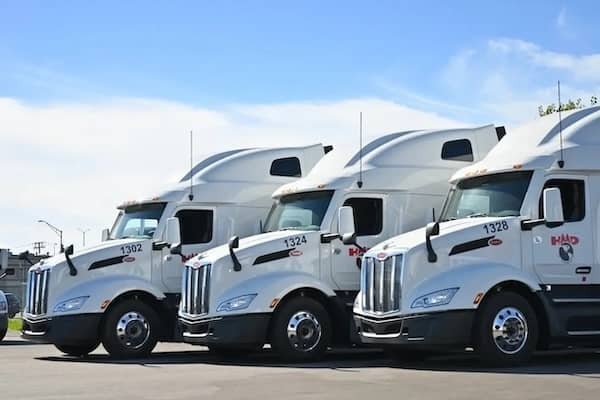
Transport is the line people guess at most. For planning, the average classic transport prices by distance published by SAKAEM Logistics offer a useful starting point for enclosed shipping in 2026: about $650 for distances under 500 miles, $975 for 501 to 1,000 miles, $1,225 up to 1,500, $1,575 up to 2,000, $1,925 up to 2,500, and about $2,250 beyond that, with five to seven days in transit on the longest runs.
A buyer in New Jersey browsing classic cars for sale in California should budget toward the top of that range. A buyer in Atlanta looking at a car in Charlotte is near the bottom.
That figure belongs in the negotiation. A car priced a little higher but sitting 300 miles away can cost less, delivered, than a cheaper twin on the other coast.
Step 1: Read the listing like an inspector
Good listings show everything. Weak ones show the best side of everything. Look for what is missing:
- Underside photos, especially floors, frame rails and the areas behind the wheels.
- Door jambs, trunk floor and the spare wheel well, where old rust repairs often show first.
- A cold-start video, filmed with the engine actually cold, not after a warm-up.
- The VIN plate photographed clearly, so it can be compared to the title.
It also helps to compare several examples of the same model before contacting a seller. When looking through Ford listings across the US, for instance, two Mustangs of the same year can have very different asking prices depending on originality, engine specification and restoration history.
If something is missing, ask for it. A seller who answers questions openly and provides additional photos is usually a seller worth dealing with.
Step 2: Pay for an independent inspection
No set of photos replaces a person standing next to the car. Marque clubs and specialist forums are good places to find an inspector who knows the model: someone who knows where a Series 1 E-Type rusts, or which matching numbers matter on a big-block Chevelle. Mobile inspection services cover most metro areas when no specialist is close.
Ask for a written report with photos, a compression or leak-down test on engines where that matters, and a test drive if the car is registered and roadworthy. Make sure the inspector has no connection to the seller.
The inspection fee is usually small next to the price of one surprise.
Step 3: Check the paperwork before the money moves
The title should be in the seller's name, the VIN on it should match the car, and any lien should be cleared or paid off as part of the deal.
Classics add a wrinkle: some states do not issue titles for certain older vehicles at all, so an old registration plus a signed bill of sale may be all the paperwork that exists. Older cars may also have identification numbers that predate the modern 17-character VIN system.
Call your own state's motor vehicle agency before paying, and ask exactly what it will accept to title or register that particular car.
Step 4: Pay in a way that protects both sides
A bank wire to a seller you have never met is one of the riskiest options. Reputable escrow services designed for vehicle sales can hold the money until the agreed conditions are met, protecting the seller from bad checks and the buyer from a car that never existed.
Verify the escrow provider independently rather than following a payment link supplied by the seller.
If buying from a dealer, a wire is normal, but confirm the account details by phone with a number you looked up yourself, not one from an email.
Step 5: Book transport around the car calendar
The classic car world has a calendar, and transport capacity follows it. Scottsdale auction week in January, Amelia Island in March and Monterey Car Week in August all pull enclosed trucks toward those events. Booking a pickup in the middle of one of those weeks is possible, but it can be slower and pricier.
When booking, describe the car honestly: running or not, any fluid leaks, exact ride height if it is lowered, and whether it has an alarm or kill switch.
Check the carrier's insurance coverage and make sure it is adequate for the value of the car. Give the driver the seller's contact details directly, and confirm with the seller that the car will be released once payment has cleared.
Step 6: Hand-off at the seller's end
Ask the seller, or the inspector if they are still nearby, to be present at pickup. The driver will note the condition of the car before loading. That report is the reference for everything that happens afterwards, so ask the seller to send photos taken at the moment of loading.
Remove anything loose from the cabin and trunk, and make arrangements for every key, the owner's manual, service records and any spare parts that came with the deal. Confirm with the carrier what can travel inside the vehicle.
Those binders are part of the car's value, and they are easy to forget in a garage on pickup day.
Step 7: Arrival, and the first week at home
When the truck arrives, check the car against the pickup report before signing. Document any new damage with photographs and make sure it is recorded on the delivery paperwork.
Then hold off on any hard driving for the first few days. Check fluid levels, tire pressures and the condition of the brakes. Look under the car for anything that dripped during transport, and put the battery on a suitable maintainer whenever it is parked for more than a week or two.
Registration comes next. Most states offer antique or historic plates for vehicles over a certain age, often 25 years, with restrictions on everyday use and sometimes lighter inspection rules. Compare those plates with a standard registration before choosing, since the cheaper option is not always the most practical one for a car that will be driven every weekend.
The short checklist
- Budget inspection, transport, taxes and registration before making an offer.
- Ask for underside photos, a cold-start video and a clear VIN plate shot.
- Hire an independent inspector who knows the model.
- Confirm the title or bill of sale works in your state before paying.
- Use reputable escrow or a verified wire.
- Check transport insurance and avoid booking during major auction and concours weeks where possible.
- Check the car against the pickup report on arrival.
Buying a classic from across the country takes a little more preparation, but distance alone should not put you off a good car. The important thing is to know what you are buying before the truck is booked, not after it pulls into your driveway.
---
We invite you to start your journey by exploring our broad selection of Car Categories. After that, feel free to visit the Classic Passion Shop, where you'll find unique products from our partners — thoughtful picks for every enthusiast looking to add something special to their collection. You can also explore Dyler Gift Cards. And if crypto is part of your world, you can discover some of the best gift cards to buy with cryptocurrency through CoinGate Gift Cards.