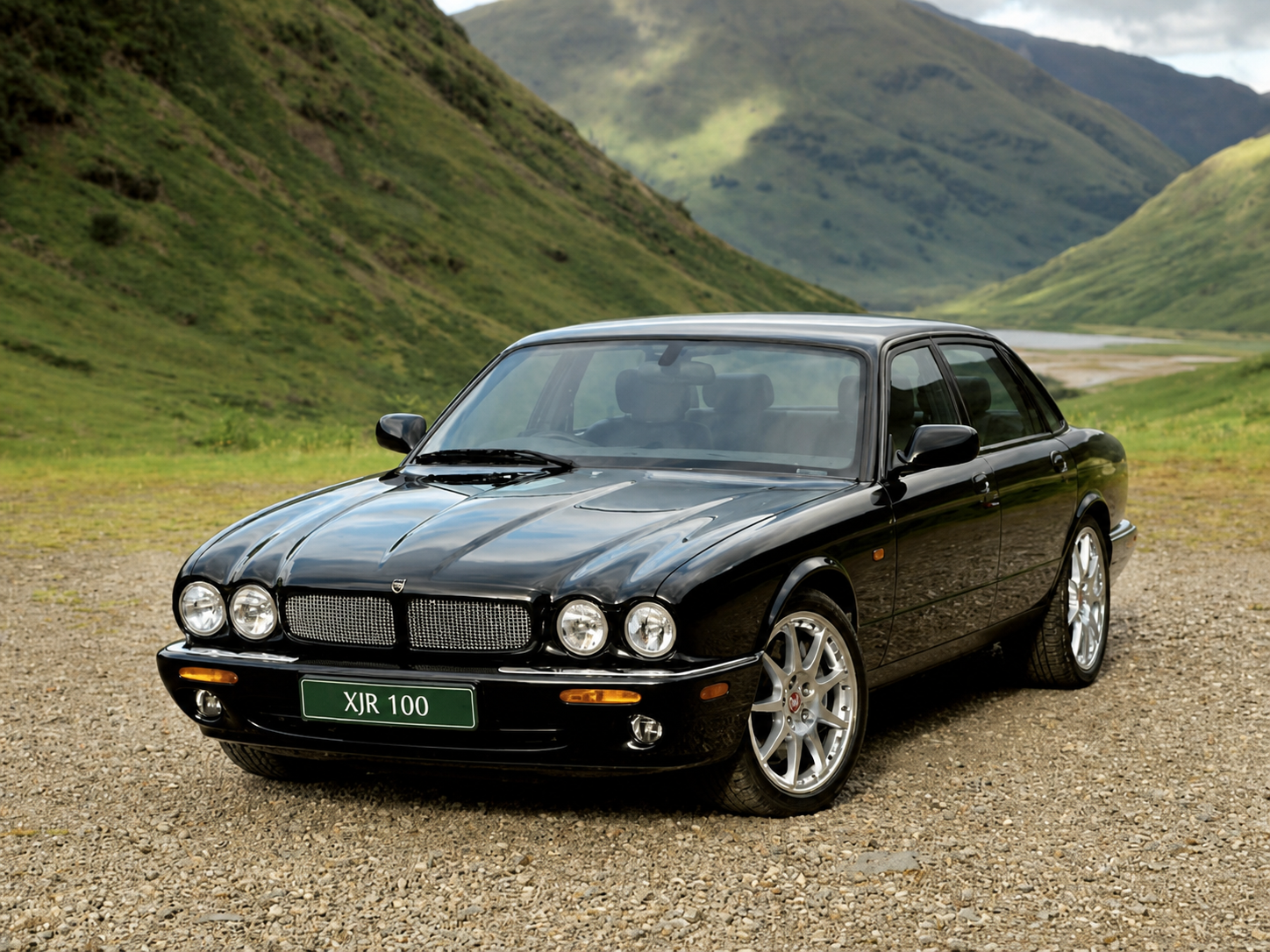
One of the more entertaining pastimes, and I suspect I am not alone in this, is the aimless browsing of car classifieds, imagining which machine might quietly find its way into your driveway. It is a harmless game, usually far removed from any real commitment. Yet, every now and then, the exercise becomes uncomfortably serious. That moment tends to arrive when you stumble upon a Jaguar XJ of the X300 or X308 generation.
There it is: the diplomat’s silhouette, soft leather seats that seem almost overstuffed, the regal J-gate shifter, and a design that feels both timeless and deliberate. And then, inevitably, the price. You brace yourself, expecting something appropriately grand. Instead — €4,800. Scroll a little further and you find several more, only slightly more expensive. Occasionally, even an XJR appears, priced somewhere between a top-range laptop and a particularly ambitious weekly shop.
Such numbers are not accidental. They reflect a familiar pattern seen across ageing luxury cars from both Germany and the United Kingdom. Ownership costs, as current custodians will readily explain, are not insignificant. Prospective buyers are often deterred by forum horror stories: endless suspension bushings, subframe removal for what should be routine work, and corrosion in places that feel structurally inappropriate.
But not everyone is discouraged. Jeremy Clarkson was not. Nor was Richard Hammond, who famously owned a black supercharged XJR for several years before passing it on to then-writer and Top Gear script editor Richard Porter. For such individuals, running costs may not be of immediate concern, but their choices remain instructive. Even in the most refined circles, the appeal of a long-wheelbase Daimler Super V8 key is not easily resisted.
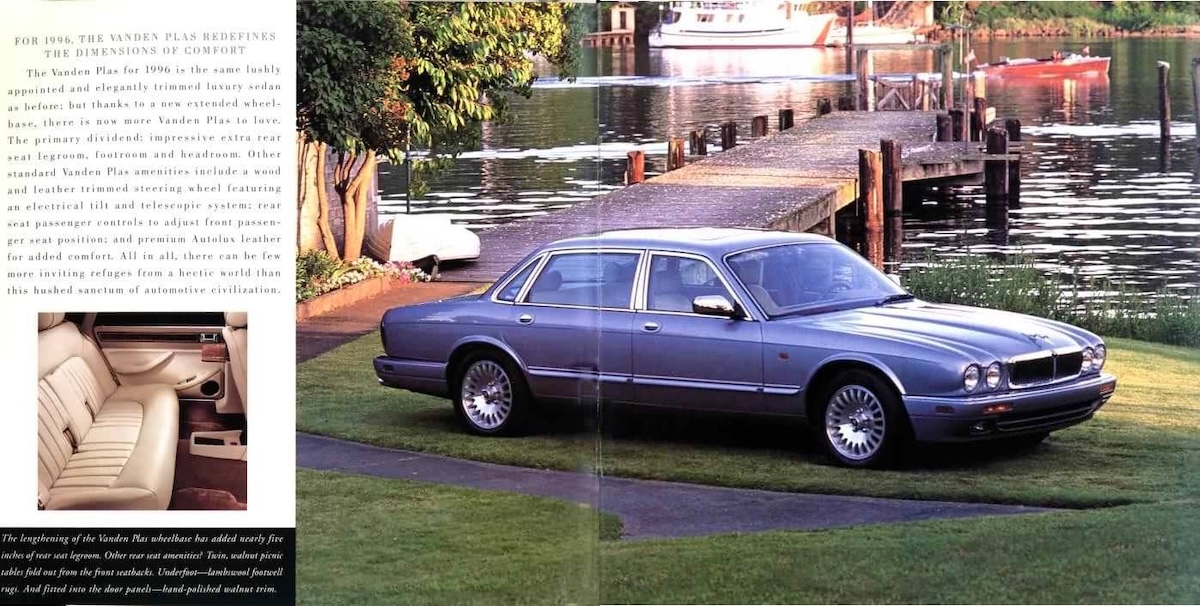
The X300 Jaguar XJ, introduced in 1994, represented something that had been missing for quite some time: genuine progress. To some purists, this progress came at a cost, particularly due to the increasing influence of Ford. Yet in the broader context, it was precisely what Jaguar needed. Its predecessor, the XJ40, had become too comfortable resting on past prestige, forgetting that tradition and innovation can go together.
The X300 corrected that course. The term “retro” is often misused, but here it feels entirely appropriate. While the central structure was carried over from the XJ40, the rest of the car was reimagined with remarkable sensitivity. The front end, with its calm, almost contemplative headlamps and gently contoured bonnet, captures both the essence of the XJ lineage and the broader Jaguar identity.
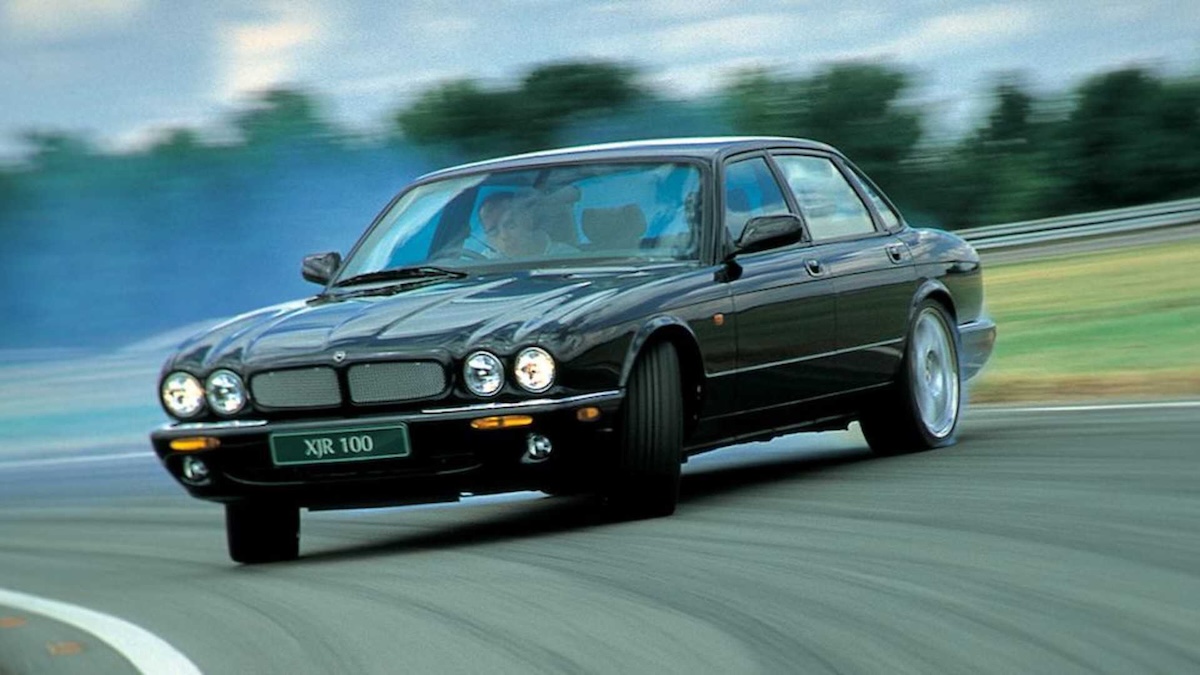
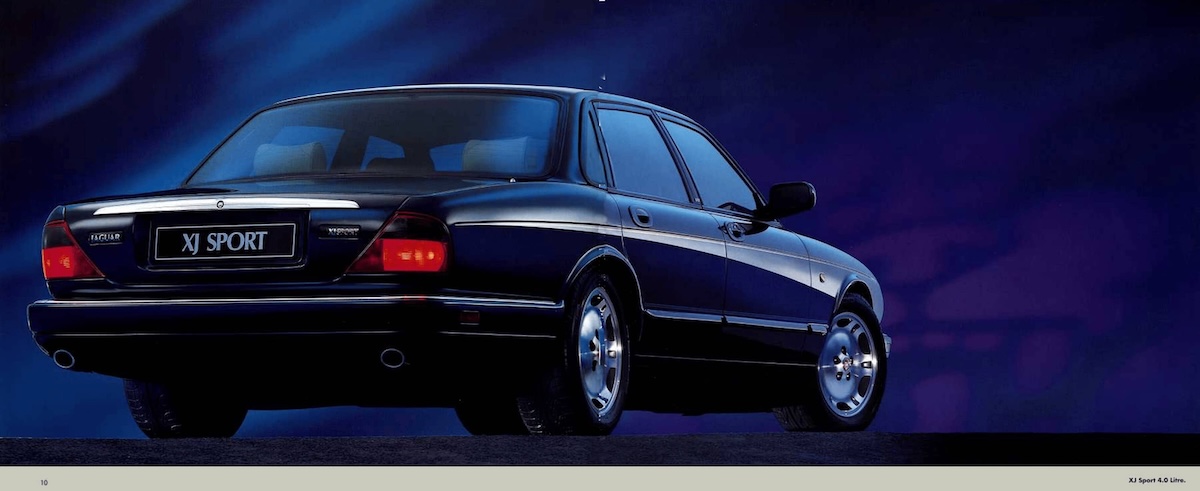
The proportions, particularly in the later X308, are close to perfect. There is a certain delicacy to the shape, yet it retains an underlying sense of strength. It manages to be sporting and luxurious without ever appearing excessive. The front carries a quiet authority, while the tapering rear introduces a subtle dynamism. Even at rest, these cars do not feel static.
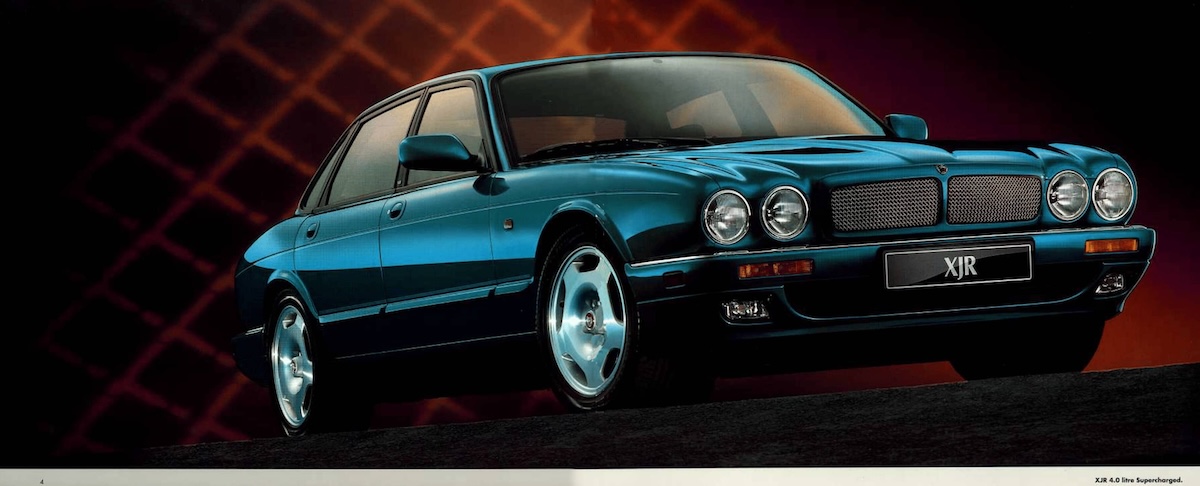
Early X300 models retained the familiar engines from the XJ40: large-capacity straight-sixes and the venerable V12. The mid-1990s were not yet saturated with overtly sporting luxury saloons. While German manufacturers offered power and refinement, few cars wore their performance credentials as openly as the XJR.
The XJR6 was Jaguar’s first supercharged production car, its 4.0-litre straight-six enhanced by an Eaton M90 supercharger to produce over 320 horsepower. Manual transmissions were technically available, though most examples were equipped with a GM-sourced automatic. Visually, the changes were subtle: reduced chrome, more body-coloured elements, larger exhaust outlets, and distinctive wheels.
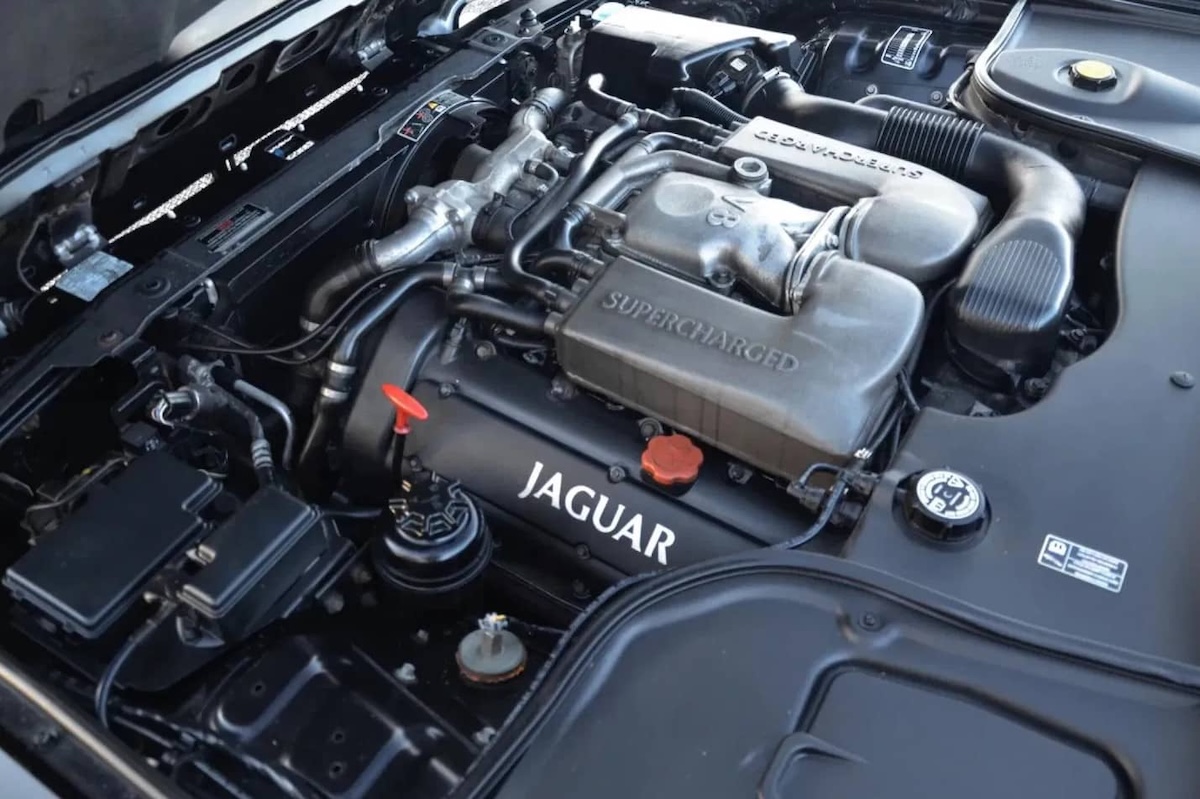
By 1997, the X308 introduced Jaguar’s new AJ-V8 engine, effectively replacing the older powertrains. In XJR form, the supercharged 4.0-litre V8 delivered more performance and more refinement. Time has shown these engines, and indeed the cars themselves, to be more robust than their reputation might suggest, provided they are maintained properly. Neglect, however, remains their greatest enemy, and poorly kept examples have done much to damage the model’s image.
A well-kept XJR, on the other hand, offers a remarkably cohesive driving experience. The engine starts with a measured hesitation. At lower speeds, it remains subdued. Only at higher revs does the supercharger make its presence known, and the transformation is immediate. The long body is propelled forward with surprising urgency, reaching 100 km/h in around five seconds.
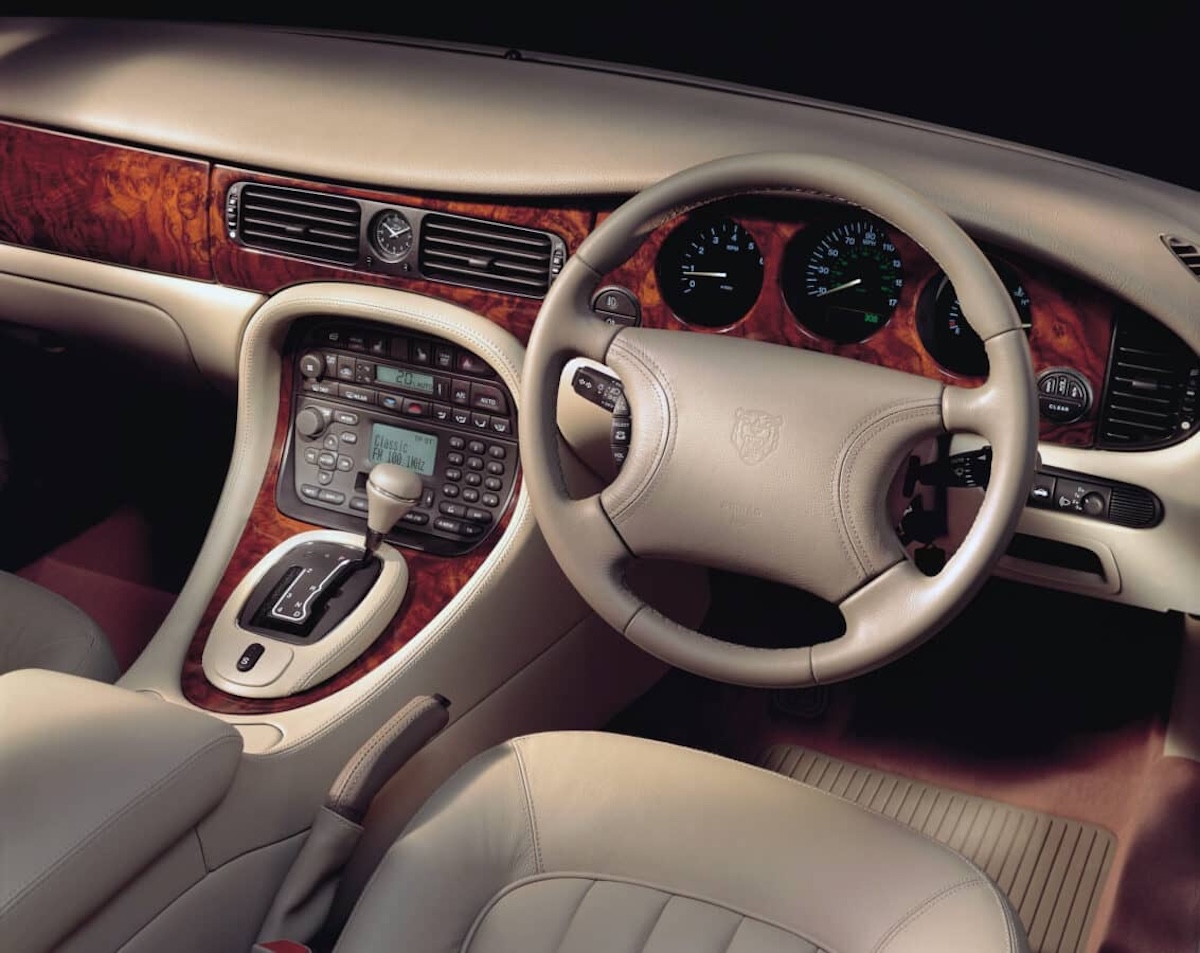
These cars do have body movement, certainly, but it feels communicative. It is balanced, meaning it understands its primary role as an XJR. Inside, the atmosphere is unmistakably late twentieth-century luxury. There are buttons everywhere, arranged with a density that would seem excessive today. Wood trim is used generously, shapes are soft, and the overall impression leans more towards traditional craftsmanship than modernism.
Sitting in an XJ is a distinct experience. The materials, the layout, even the instruments, all contribute to a sense of occasion. The cabin wraps around the driver, offering comfort and a feeling of control. The same cannot always be said about the rear, where legroom can feel surprisingly limited, especially in short-wheelbase versions.
Through its design, engineering, and unmistakable character, the XJ occupies a very particular place in automotive history. It offers clarity and purpose that are deeply loved by purists. Few cars communicate their identity as directly. And in the case of the XJR models, that identity becomes even more pronounced. Today, it stands as one of the last truly distinctive luxury saloons. Its shortcomings are well known, but in the truest sense, it is a modern classic saloon.
When compared to the later aluminium-bodied XJ, the X350 and beyond, something changed. The newer cars are objectively superior in many respects. They are lighter, more efficient, more technologically advanced, and more refined. Yet, in that pursuit of progress, something was softened.
The steel-bodied X300 and X308 have more density and a visual warmth that the later cars struggle to replicate. They are also more delicate and easy-going, and their interiors feel more intimate. The older cars are simply more human. There is a sense of occasion and personality that lingers long after the engine is switched off.
---
We invite you to start your journey by exploring our broad selection of Car Categories. After that, feel free to visit the Classic Passion Shop, where you’ll find unique products from our partners — thoughtful picks for every enthusiast looking to add something special to their collection.