When people think about the Yugoslav car industry, one name appears almost immediately: Yugo. Usually followed by a joke, and that is a little unfair. The Yugo became one of the most ridiculed cars ever sold in America, but reducing the entire Yugoslav automotive industry to one inexpensive hatchback is like judging Italian automotive engineering solely through the Fiat Multipla.
Yugoslavia built far more than Yugo. It created one of the largest automotive industries in Eastern Europe, assembled cars from Fiat, Renault, Volkswagen, Opel and Citroën, exported vehicles across the world and employed hundreds of thousands of people throughout a network of factories stretching from Slovenia to Macedonia.
The remarkable thing is that most of this happened in a socialist country that sat somewhere between East and West. Unlike the Soviet Union, Yugoslavia was not fully isolated. It did not possess generations of automotive know-how, but what emerged was a particular kind of industry built largely on licensing agreements.
The Story Begins in Serbia
Long before automobiles appeared, Serbia was known for weapons manufacturing. The industrial complex that eventually became Zastava had its roots in the nineteenth century as an arms producer. Automobile production arrived much later through cooperation with Fiat. By the 1950s, Yugoslavia had signed agreements allowing local production of Fiat models, and suddenly an entire generation found itself driving domestically assembled Italian cars.
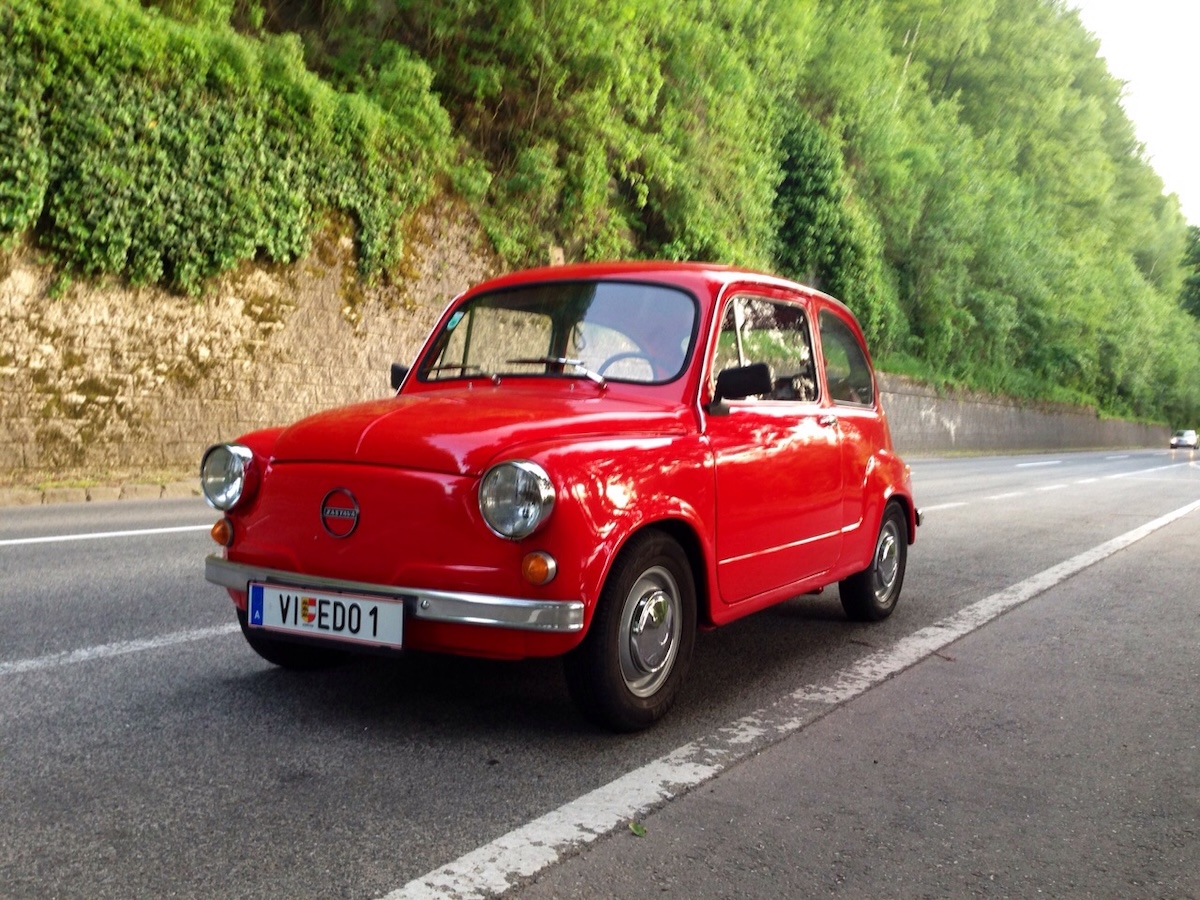
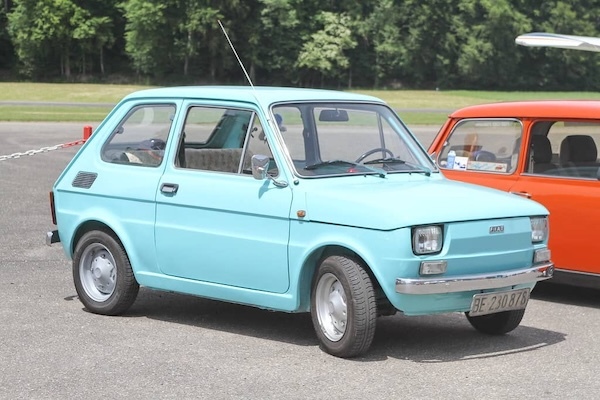
The first truly beloved Yugoslav car was the Zastava 750, essentially a locally produced Fiat 600. Nobody called it that, though. People called it Fića. It was a small, rear-engined, communist-looking car and not particularly fast. It was also one of the most important vehicles in Yugoslav history.
For many families, it represented their first private automobile. Nearly a million examples were produced between the 1960s and 1980s. The formula worked because Yugoslavia understood its limitations and cleverly licensed proven Western designs, adapting them for local production. This would become the industry's defining characteristic.
The 101
If there is a single vehicle that deserves to be called Yugoslavia's national car, it is the Zastava 101. Introduced in 1971, it was based on Fiat 128 mechanicals. The 101 became one of the most successful automobiles ever produced in the Balkans.
What made it interesting was that while the platform came from Fiat, Zastava developed a practical hatchback body years before Fiat itself offered a hatchback version of the 128. The result was a useful family car that became a common sight throughout the country.
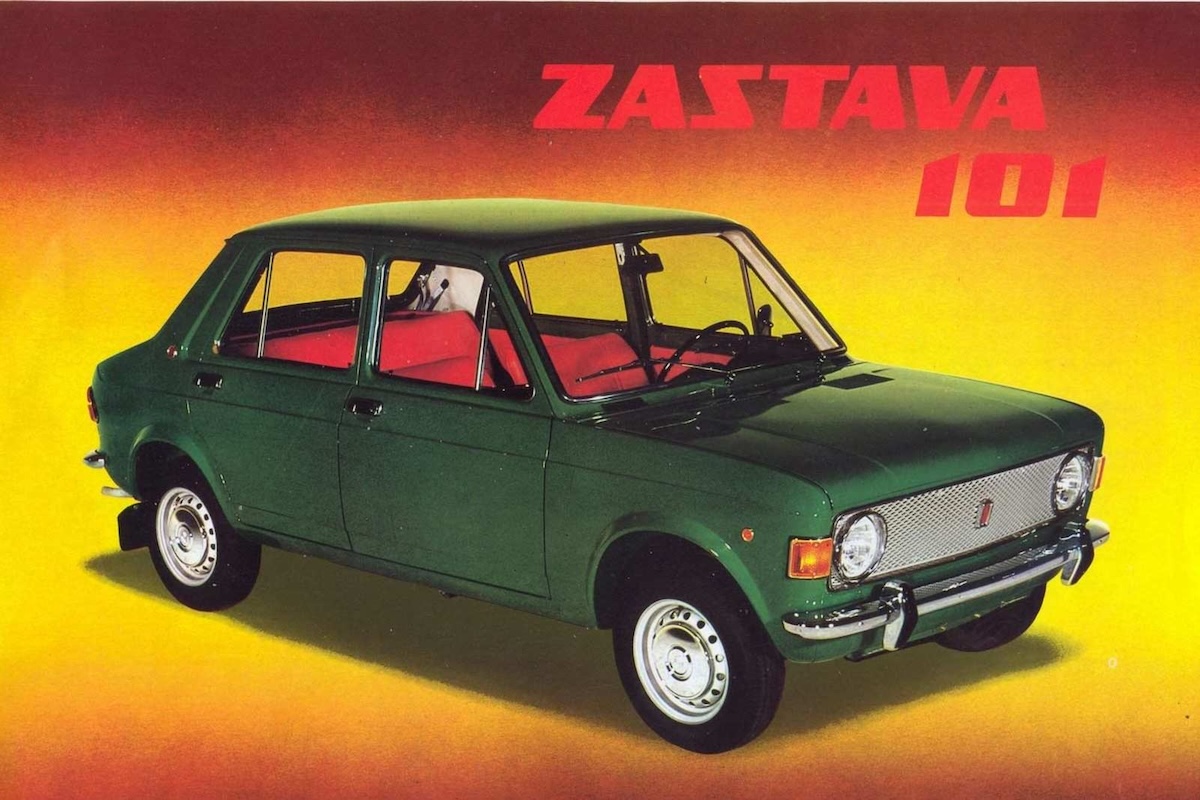
It was like the Yugoslavian Ford Crown Victoria. It was widely used by the police, appeared in taxi fleets and everybody seemed to know somebody who owned one. Production eventually reached more than 1.2 million units. For comparison, many European manufacturers would have been delighted with those numbers.
More Than Just Serbia
One of the biggest misconceptions is that Yugoslav car manufacturing was concentrated entirely in Serbia. In reality, the industry was spread across several republics.
Slovenia had IMV, a manufacturer that initially produced vehicles under DKW influence before later cooperating with Renault. Eventually, the facility became one of Renault's most important production locations outside France. Even today, Renault production continues there under different corporate structures.
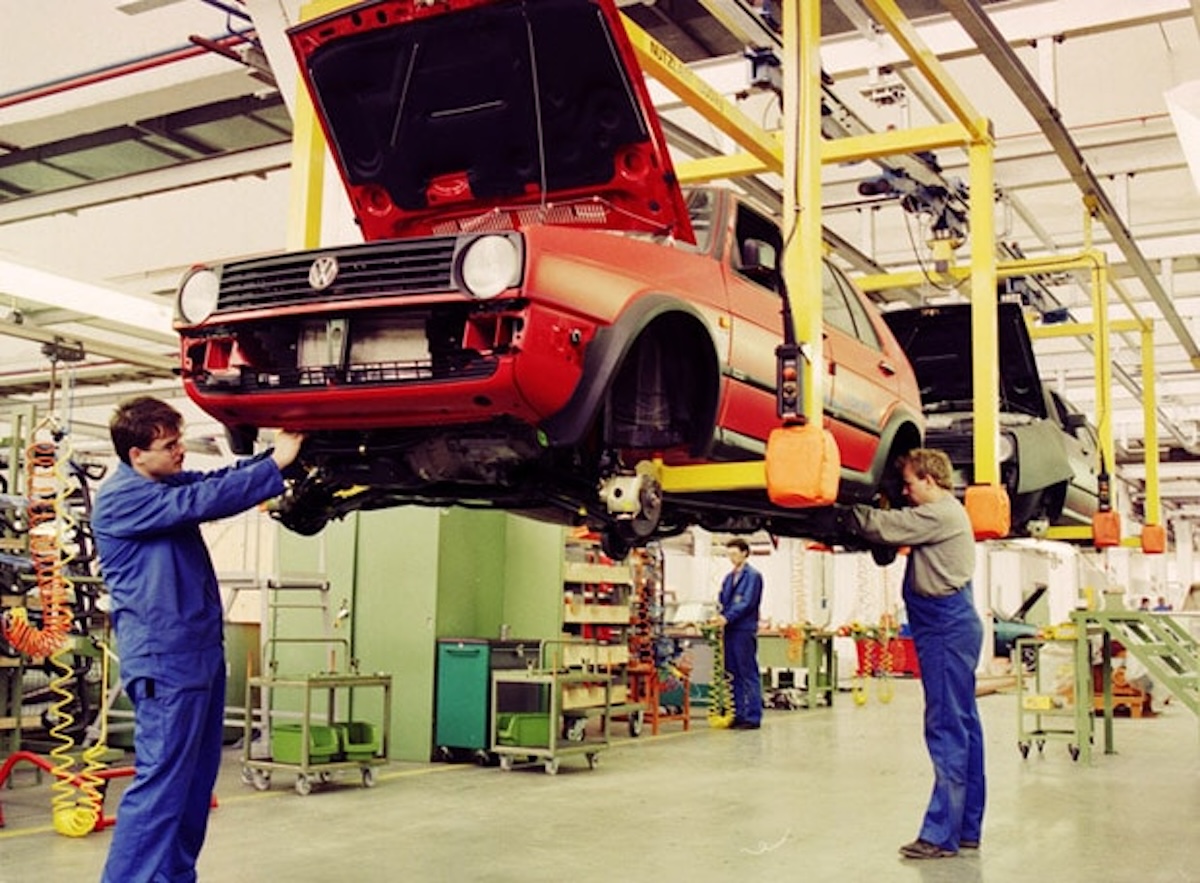
Sarajevo hosted TAS, short for Tvornica Automobila Sarajevo. This factory assembled Volkswagen products under licence. Golfs, Beetles and various commercial vehicles emerged from Bosnia wearing Volkswagen badges but carrying local origins.
There was also IDA in Kikinda, where Opel models were assembled through cooperation with General Motors. Citroën maintained production arrangements in Slovenia. Truck manufacturers such as TAM and FAP supplied commercial vehicles across the country and abroad.
By the 1980s, Yugoslavia had created something rather unusual for a socialist state: a diversified automotive ecosystem with multiple foreign partnerships operating simultaneously.
The Yugo
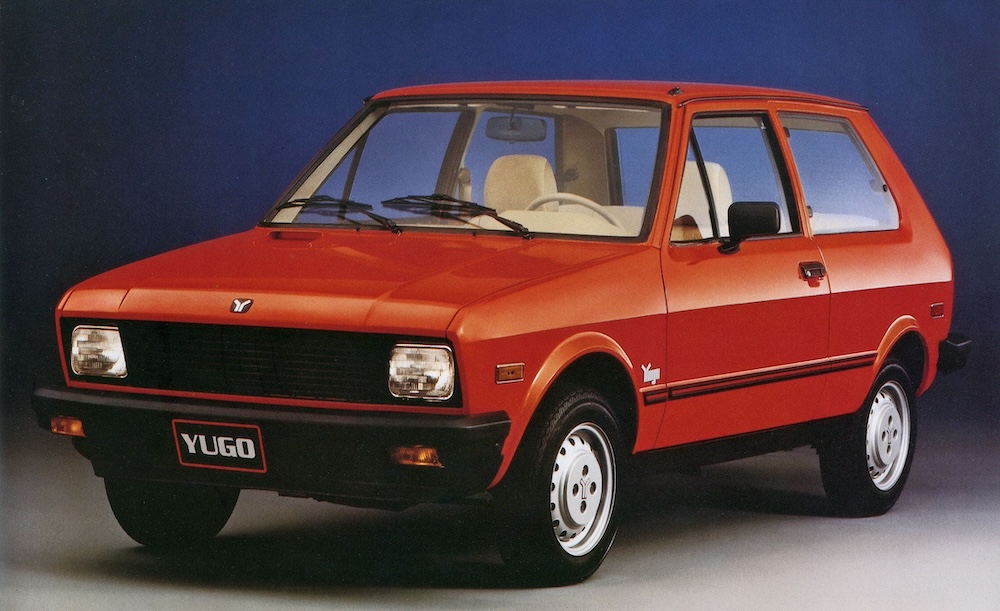
The Yugo arrived in 1980. Its reputation today often obscures how ambitious the project actually was. The car was developed from Fiat underpinnings but received unique bodywork and substantial local engineering input. For Yugoslavia, it showed that the local industry could create an export product capable of competing internationally.
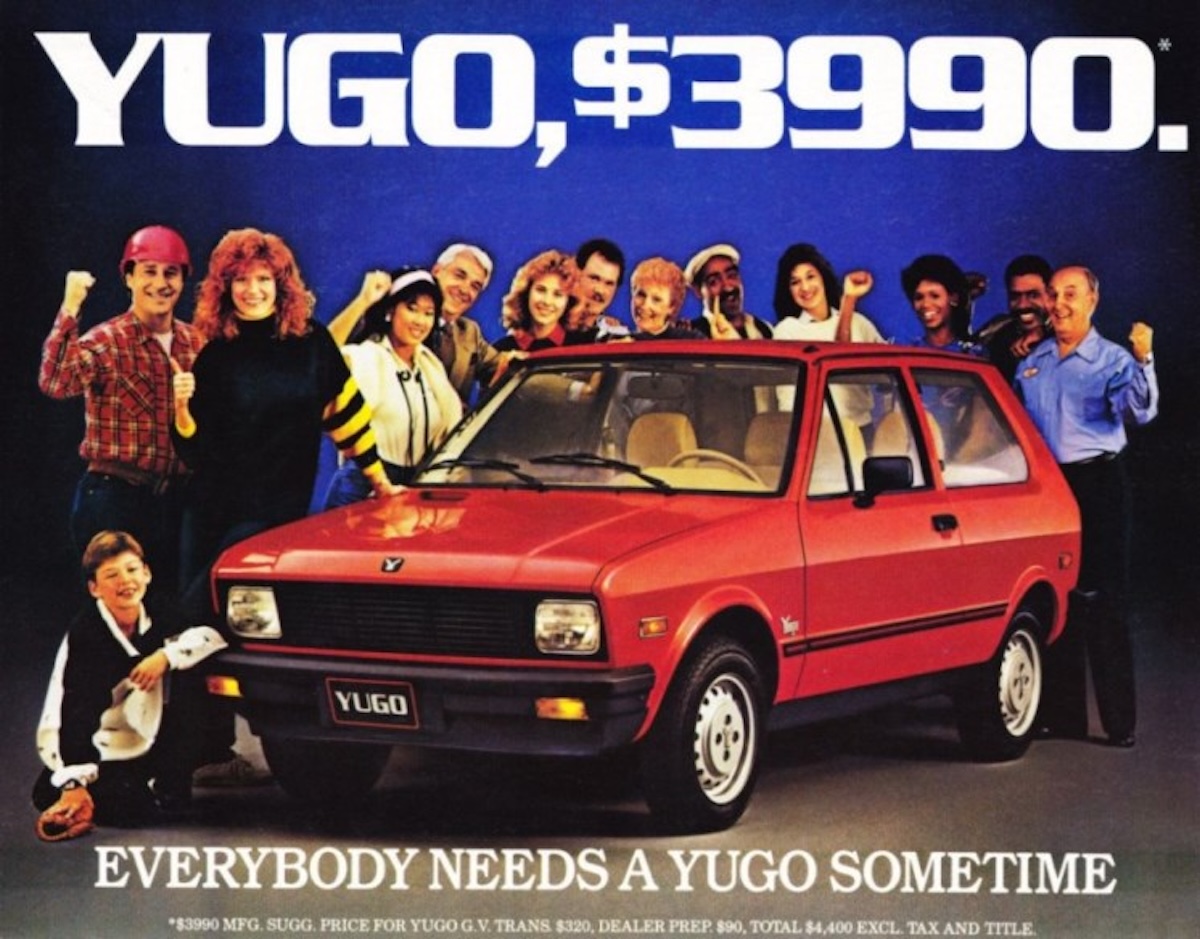
Then America bought it. Entrepreneur Malcolm Bricklin brought the Yugo GV to the United States in 1985 and marketed it as the cheapest new car available. At $3,990, it attracted enormous attention. During its best year, nearly 50,000 were sold in America alone. More than 140,000 eventually reached American buyers.
The problem was that the Yugo entered one of the most demanding automotive markets in the world while being built in a country suffering economic difficulties, inconsistent quality control and ageing production equipment.
The design itself was not fundamentally terrible. Even many enthusiasts today acknowledge that the underlying Fiat engineering was reasonably sound. The real issue was build quality. Materials were cheap, assembly standards varied and American customers expected far more refinement.
Slow Decay
The tragedy of the Yugoslav automotive industry is that it reached maturity just as the country itself began collapsing. During the late 1980s, there were serious discussions about expanding partnerships with major Western manufacturers. Some observers even believed Zastava could follow a path similar to Škoda, transforming from a regional producer into a competitive European manufacturer.
Instead came the 1990s. Wars disrupted supply chains and export markets disappeared. Sanctions made international cooperation difficult. Factories suddenly found themselves separated by newly established borders. Components that had once moved freely across the republics became international trade issues overnight.
The final blow arrived in 1999 when NATO bombing damaged the Zastava factory in Kragujevac. Production survived, but the industry never truly recovered its previous momentum.
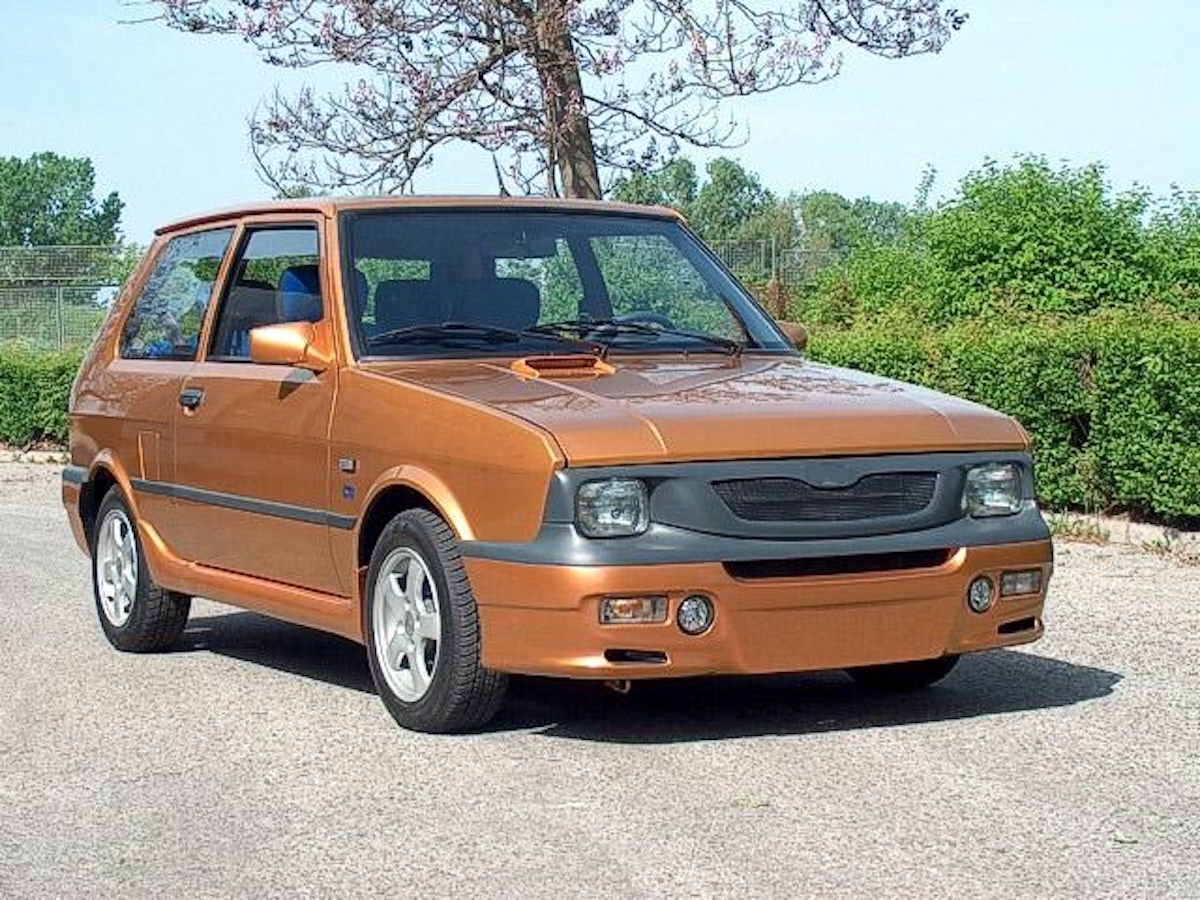
The last Yugo rolled off the production line on 11 November 2008. Total production reached 794,428 cars. Workers reportedly attached a note reading "Goodbye, no more" as the final example left the factory. It marked the end of a model that had become both a national symbol and an international punchline.
Yet judging the Yugoslav car industry solely through the Yugo completely misses the point. This was an industry that produced nearly a million Fićas, more than a million Zastava 101s and hundreds of thousands of Yugos. It built Volkswagens in Sarajevo, Renaults in Slovenia and Opels in Serbia. It created industrial centres that employed entire cities and gave millions of people access to personal mobility for the first time.
The industry ultimately disappeared alongside the country that created it, but it left its marks all over Europe—and even in America. Not many automotive industries can claim that their products outlived the country that built them. Yugoslavia can.
---
We invite you to begin your journey by exploring our extensive collection of Car Categories. Then, visit the Classic Passion Shop, where you'll discover unique products from our trusted partners—carefully selected for every classic car enthusiast looking to add something special to their collection. You can also buy gift cards with cryptocurrency through CoinGate Gift Cards.