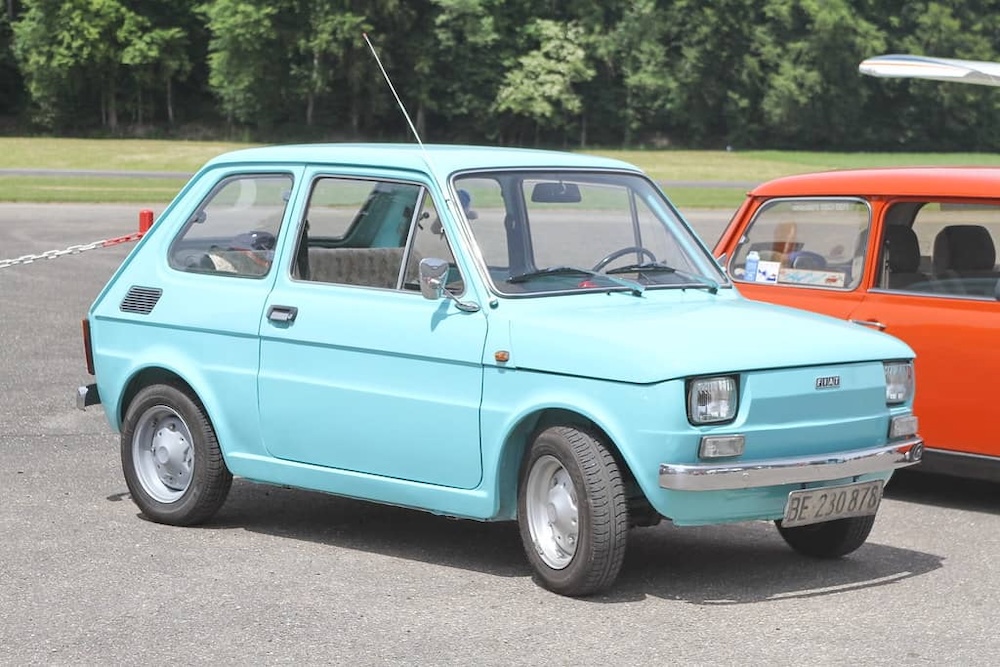
There is a certain kind of car that makes no sense on paper and all the sense in the world once you understand where it came from. The Fiat 126 is one of those cars. By modern standards, it is comically small. It has two doors, a tiny air-cooled twin-cylinder engine, rear-wheel drive, a driving position that assumes your knees are part of the dashboard structure, and a luggage compartment that doesn’t particularly enjoy being one.
And yet, to millions of people, especially in Poland, it was not small at all. It was freedom, privacy, mobility, family holidays, shopping trips, winter survival and mechanical education, all wrapped in a body barely longer than some modern SUVs are wide.
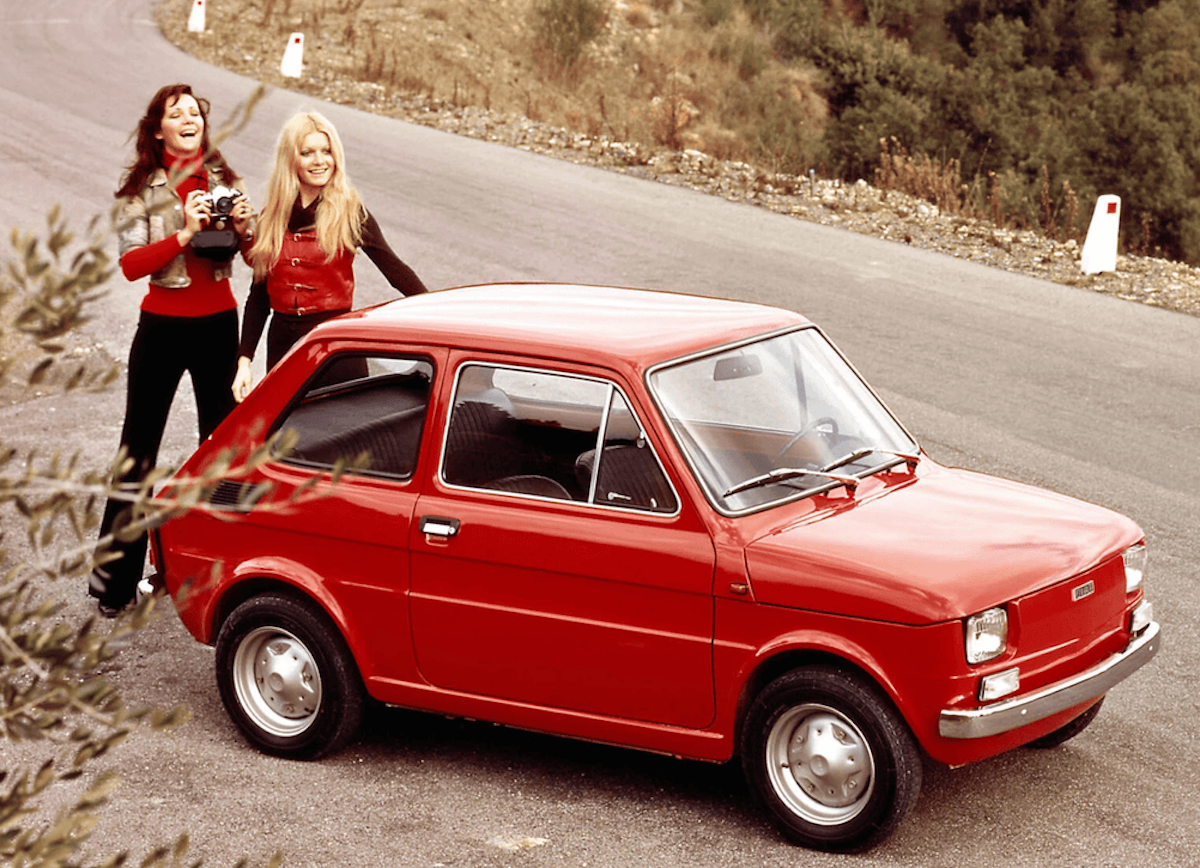
The Fiat 126 arrived in 1972 as the successor to the much-loved Nuova 500. Replacing the 500 in Italy was rather like replacing a family dog with a slightly more practical family dog that happened to have sharper corners. The 126 kept the essential recipe: engine in the back, driven wheels in the back, two cylinders, four seats in theory, and mechanical simplicity everywhere. But it was more grown-up in execution. The body, designed under Sergio Sartorelli, was squarer, safer, roomier and less rounded than the 500. It was still tiny, but undeniably fresh compared with the vintage Fiat 500.
Inception
Italian production began at Fiat’s own factories, including Cassino and Termini Imerese. In Western Europe, however, the 126 never became the same kind of cultural thunderclap as the 500. By the 1970s, the world was changing quickly. The Mini had already demonstrated the packaging advantages of front-wheel drive. Fiat itself offered the 127, a much more modern front-engined hatchback. The 126 was therefore both new and old at the same time. It was a fresh car carrying a layout that already belonged to the previous chapter of small-car design. In Italy, it was useful, cheap and charming, but it was not the future. In Poland, it became exactly that.
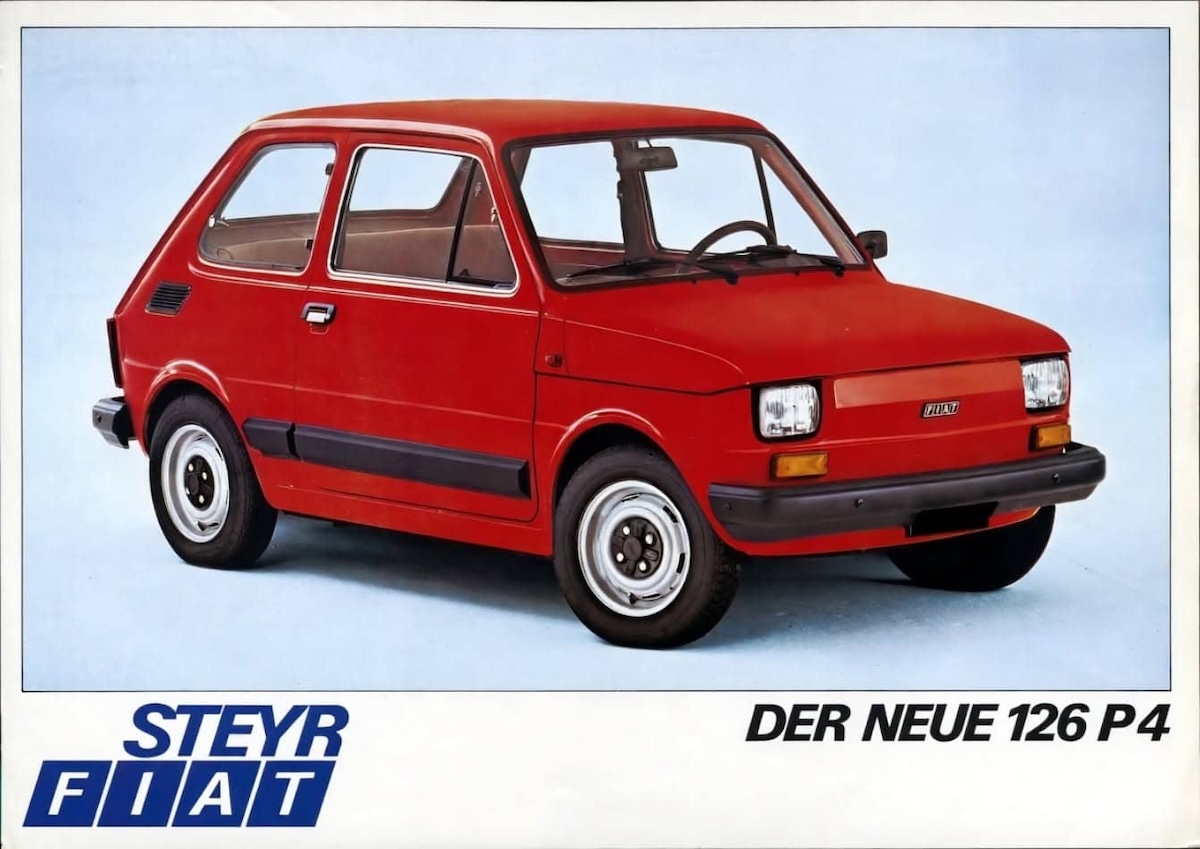
Poland signed a licence agreement with Fiat in the early 1970s, and production of the Polski Fiat 126p began at Fabryka Samochodów Małolitrażowych (FSM) in Bielsko-Biała in 1973. Later, production expanded to the Tychy plant. The letter "p" simply identified it as the Polish version, but the car soon earned a far more important name: Maluch — "The Little One". It was not originally an official model name, but it became so deeply embedded in everyday language that Fiat eventually adopted it officially in the late 1990s. Few cars earn their nickname so completely that the manufacturer gives up and starts using it too.
The Maluch arrived in a very different world from the one that shaped the Italian 126. In the Polish People's Republic, private motoring was an aspiration, often involving years of waiting lists, savings books and bureaucratic endurance that would make most modern buyers physically collapse. The 126p was expensive for ordinary people, but it was attainable in a way larger cars simply were not. It became the car that could fit a family into a system that had never been particularly generous with personal freedom.
In Real Life
That is where the Maluch legend truly begins. It was small, but it was also astonishingly resourceful. Families packed them for seaside holidays. Luggage went in the front, behind the rear seat, on roof racks, under feet, between children and anywhere else where matter could theoretically exist. The engine produced a hard-working, agricultural soundtrack. It was never fast. A 594 cc, and later a 652 cc, two-cylinder engine was never going to impress anyone with its power, yet the car weighed so little that around town it often felt eager enough.
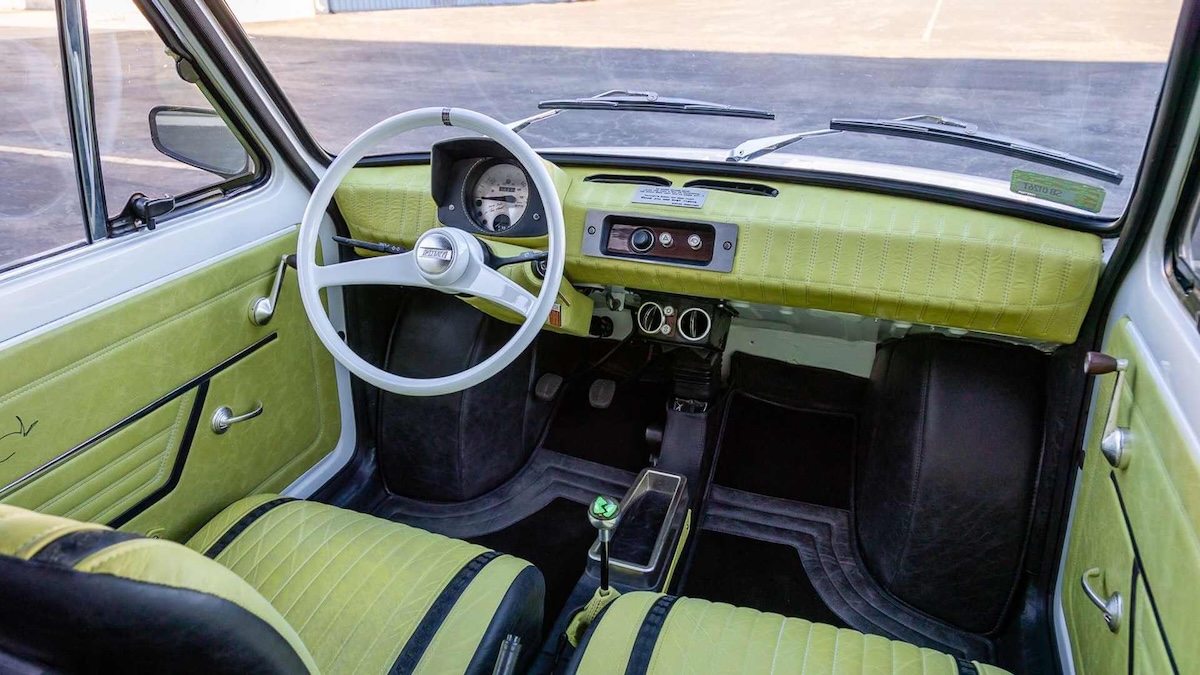
In winter, the rear-engine, rear-wheel-drive layout gave it a funny little advantage. With weight over the driven wheels and narrow tyres cutting through snow, a Maluch could often keep moving when supposedly superior cars began to embarrass themselves. Of course, this depended on the heater doing something and the carburettor behaving, but in difficult conditions the car possessed that unmistakable Eastern European survival quality.
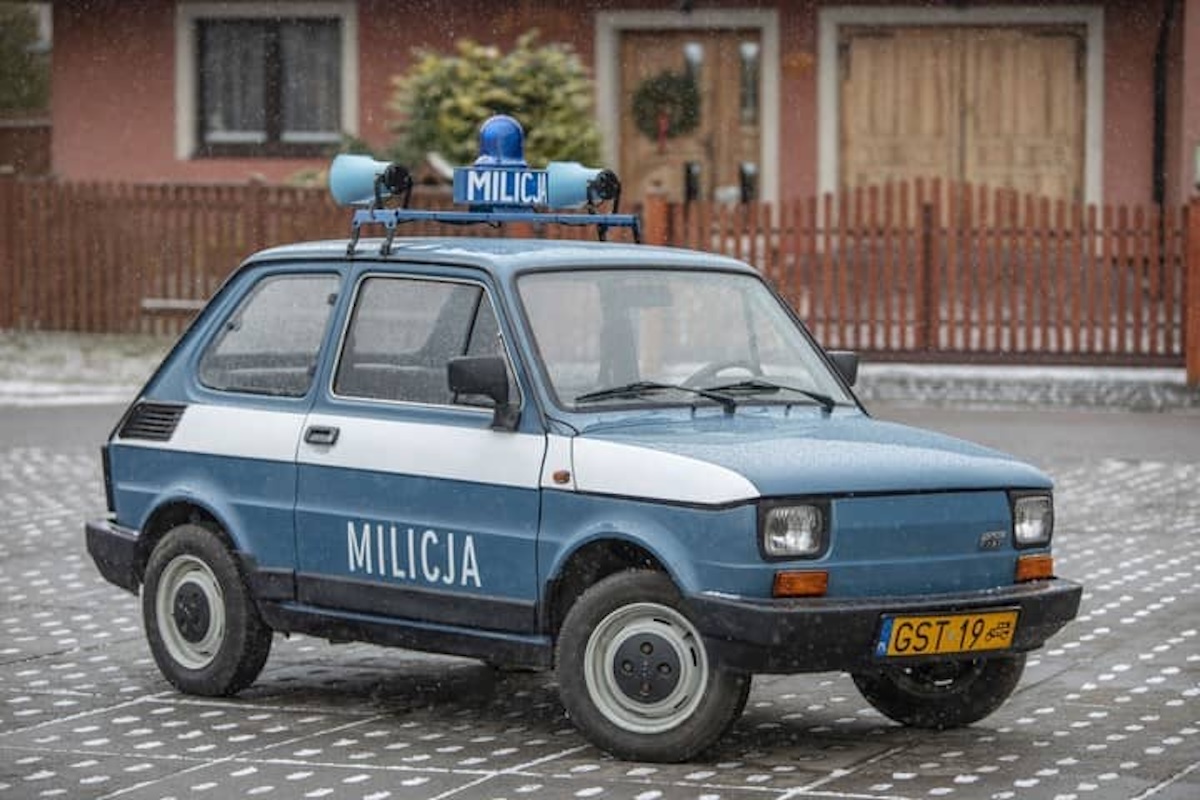
The 126 was born in Italy, but Poland became its spiritual and industrial home. More than three million examples were built there, and from the mid-1980s even Italian-market 126s came from Polish production. There were other chapters too. Zastava assembled the Zastava 126 in Yugoslavia using Polish-supplied components, while Austria briefly produced the Steyr-Fiat 126 through Steyr-Puch.
Water-Cooled Experiment
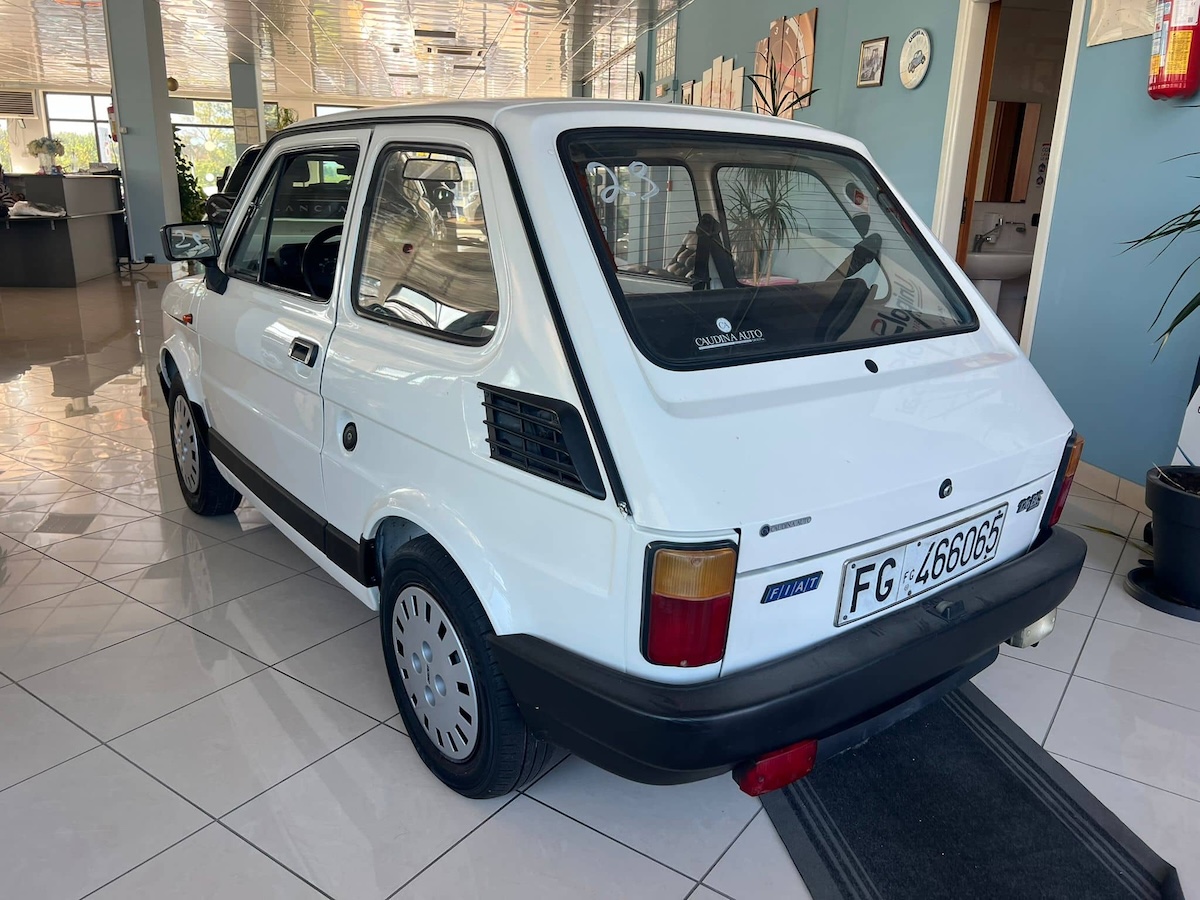
Then came the 126 BIS in 1987, the most serious attempt to drag the little Fiat into a more modern age. It used a 704 cc water-cooled flat engine, allowing Fiat to introduce a rear hatch and genuinely useful luggage space. It was a clever solution because packaging had always been the standard 126’s greatest weakness. The BIS was more practical, slightly more powerful and closer to a modern hatchback, though also more mechanically specialised. For many enthusiasts, however, the original air-cooled cars remain the more charming choice.
Legacy
There was also the Bosmal Cabrio, developed in Poland, which transformed the 126p into a tiny convertible. Australia knew the car as the FSM Niki. Across Europe, it gathered affectionate nicknames. In Hungary it became the Kispolszki. In parts of the former Yugoslavia, it was Peglica, "the little iron". In Poland, Maluch said everything.
As a usable classic today, the Fiat 126 is both brilliant and ridiculous. It is inexpensive to run, mechanically simple, easy to store and overflowing with character. Parts availability remains surprisingly good because so many were built and because enthusiasm for the car never truly disappeared in Poland. Working on one is rarely intimidating. The engine is accessible and most repairs require only basic tools. Rust, however, remains the greatest enemy. Floors, sills, arches, suspension mounting points and body seams deserve careful inspection.
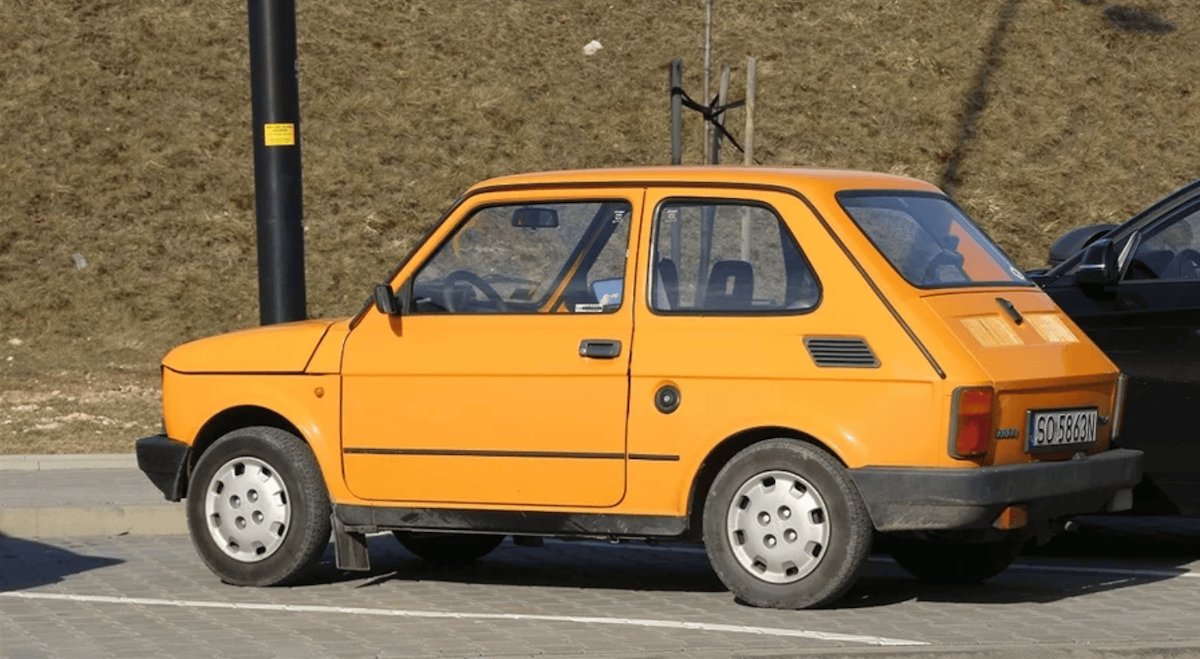
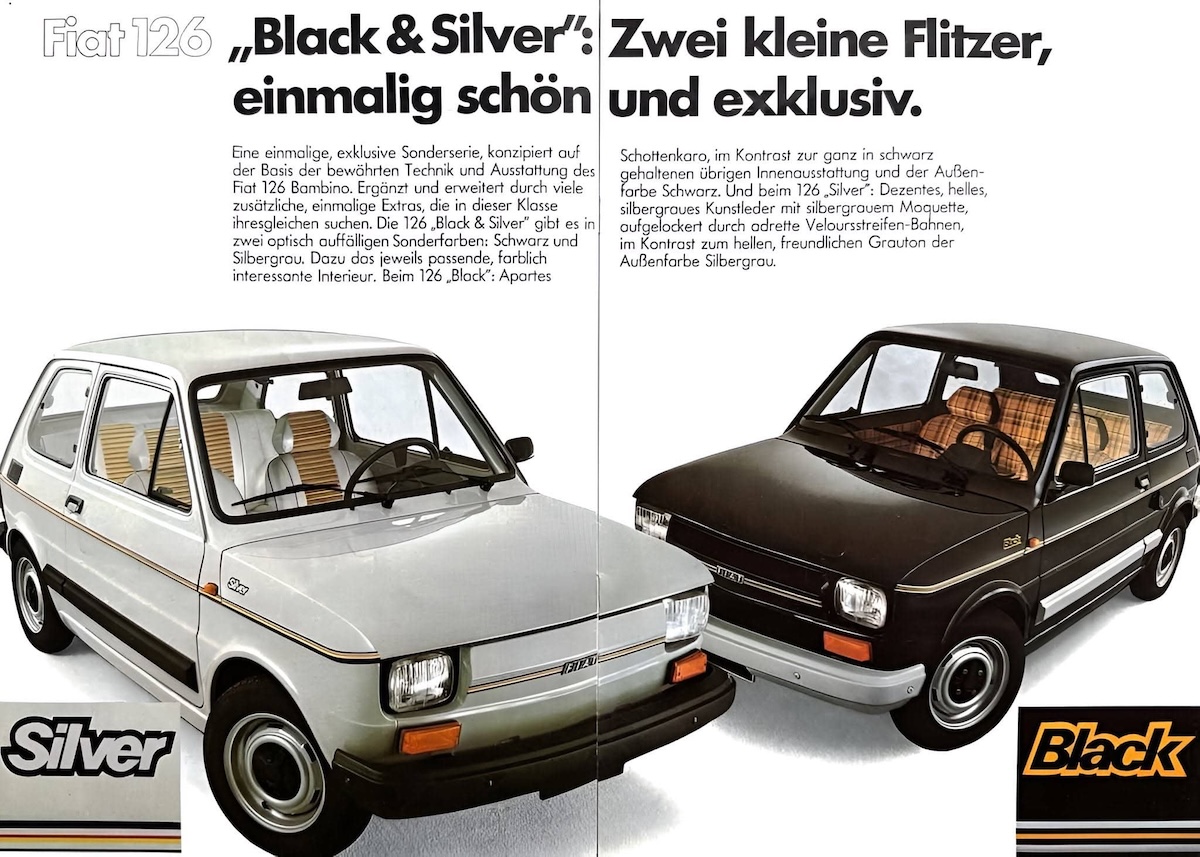
Production finally ended in Poland in 2000 with the "Happy End" series, a beautifully sentimental name for the final run of a car that had long outlived its original era. By then, the world had moved on to airbags, fuel injection, crash structures, power steering and small cars capable of cruising comfortably on motorways. But the Maluch had already done its job. It had mobilised families and become a national icon in a way very few cars ever do. In Italy it was the heir to the 500. In Poland, it became a household member, a punchline, a memory machine and a tiny monument to persistence.
---
We invite you to start your journey by exploring our broad selection of Car Categories. After that, feel free to visit the Classic Passion Shop, where you’ll find unique products from our partners — thoughtful picks for every enthusiast looking to add something special to their collection.