There is a special kind of respect that belongs to cars which were not born out of racing dreams or some complicated boardroom idea about lifestyle. Sometimes a car company begins because a country simply needs cars.
Today, when somebody mentions SEAT, most people probably think of a sharp-looking Leon, a small Ibiza with angry headlights, or maybe a Cupra that tries very hard to look like it has just left a Barcelona nightclub at four in the morning. But behind all that modern Volkswagen Group engineering, digital screens and copper logos, SEAT has a much older and more interesting story. It is a story about Spain becoming mobile, some politics, independence, and later about German discipline being mixed with Spanish character.
SEAT was founded in 1950, when Spain was a very different country from what we know today. The official name was Sociedad Española de Automóviles de Turismo — Spanish Touring Car Company in old church speak. It was created with the help of the Spanish state, banks and Fiat, because Spain needed its own car industry. At the time, car ownership was still not something normal families could easily dream about. Roads, factories and incomes were all catching up with the rest of Western Europe.
Early Models
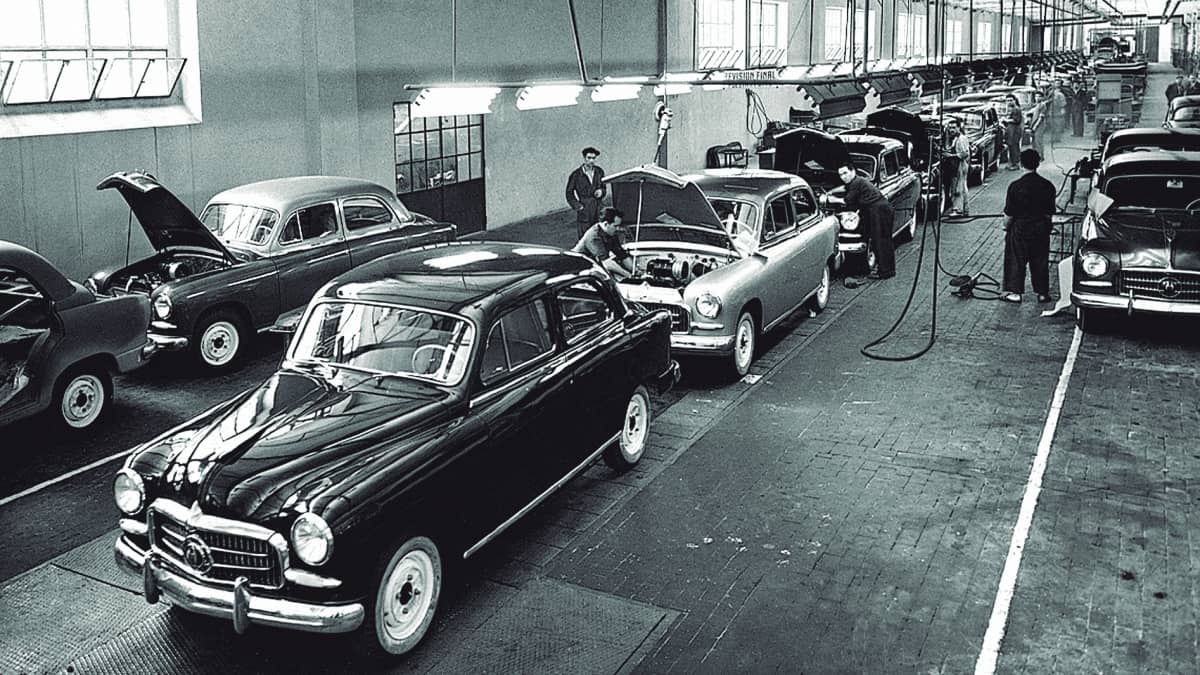
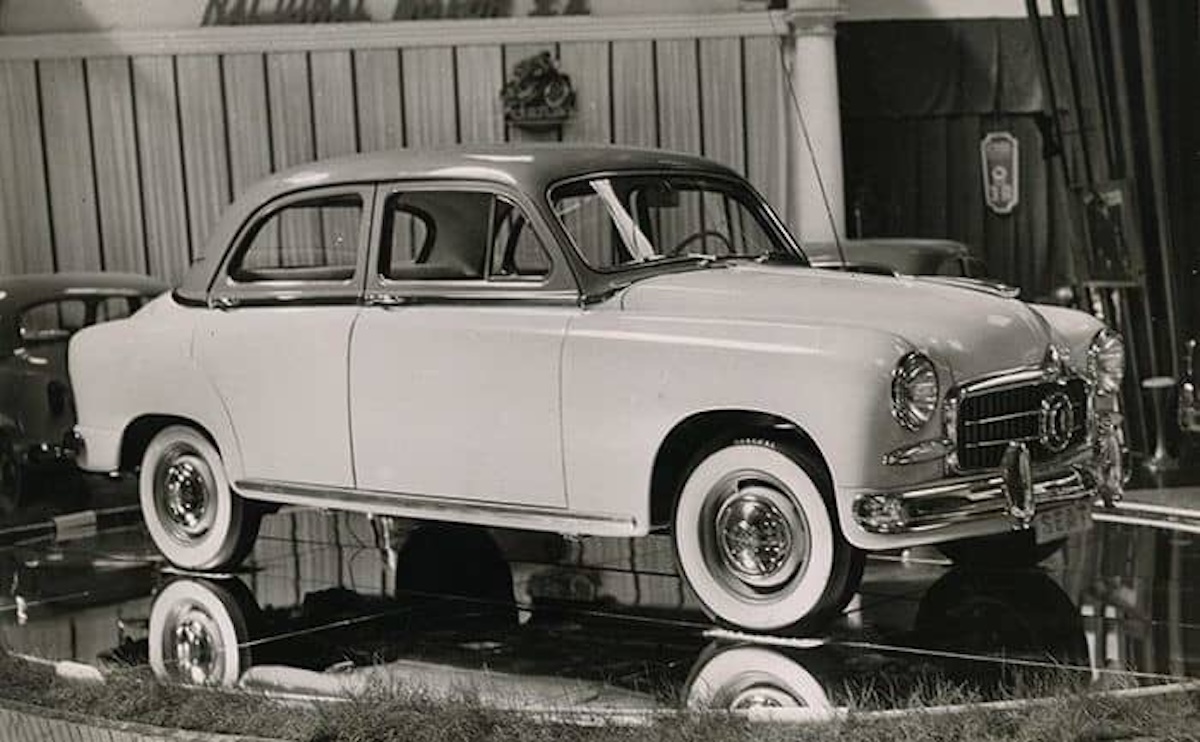
The first SEAT was the 1400, launched in 1953. Based on the Fiat 1400 and, just like many early SEATs, it was Spanish by assembly and purpose rather than by engineering or design. But that did not make it unimportant. The 1400 was a proper large saloon for officials, taxi drivers and families who wanted to show they were doing better.
Then came the car that really put Spain on wheels: the SEAT 600. Launched in 1957, the 600 was a big event. Just like the Fiat 600 in Italy, the SEAT version became the car that allowed thousands of families to travel further than the local bus could take them. The world became larger with Spain's own cars.
Most countries that build cars had one like this. The USA had the Ford Model T, Germany had the Beetle, France had the 2CV and Renault 4, Italy had the Fiat 500 and 600. Spain had the SEAT 600.
Through the 1960s and 1970s, SEAT continued building Fiat-based cars. Models like the 850, 124, 127 and 131 became common sights on Spanish roads. But there was always one problem. SEAT was growing, but it was also living in Fiat’s shadow. The cars were Spanish, but not fully Spanish. The company needed its own identity, and by the end of the 1970s and early 1980s, the relationship with Fiat started to break apart.
Breakthrough
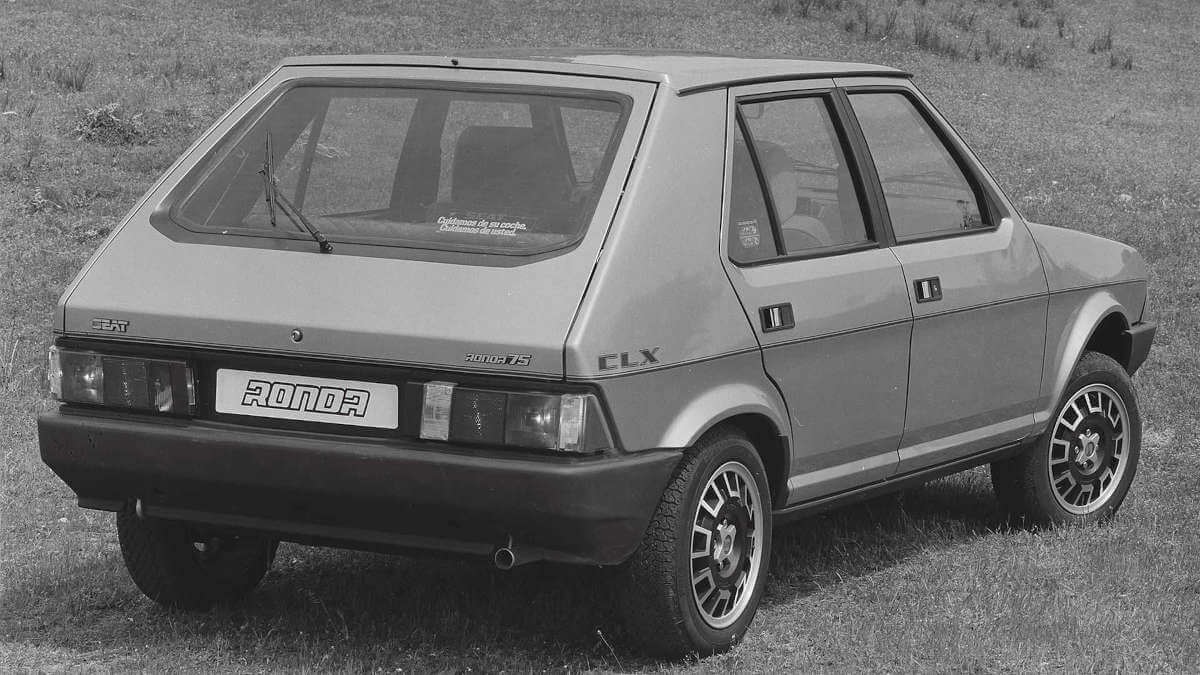
It was complicated and uncomfortable. SEAT needed to prove it could continue without simply taking Fiat designs, and this is where cars like the SEAT Ronda became important. The Ronda was based on the old Ritmo idea, but SEAT changed enough of it to make a point. There was even a legal dispute with Fiat, and SEAT famously showed the modified parts in a different colour to prove that the car was not just a lazy copy.
Then came the Ibiza in 1984, probably the most important SEAT after the 600. The first Ibiza was a strange and wonderful mixture. Italdesign worked on the styling, Karmann helped with body development and Porsche had its name attached to the engine technology with the famous “System Porsche” script. This sounds like a dream team, but the result was still very much a practical small Spanish car. It had character, a good shape, and most importantly, it gave SEAT a car that felt like its own product.
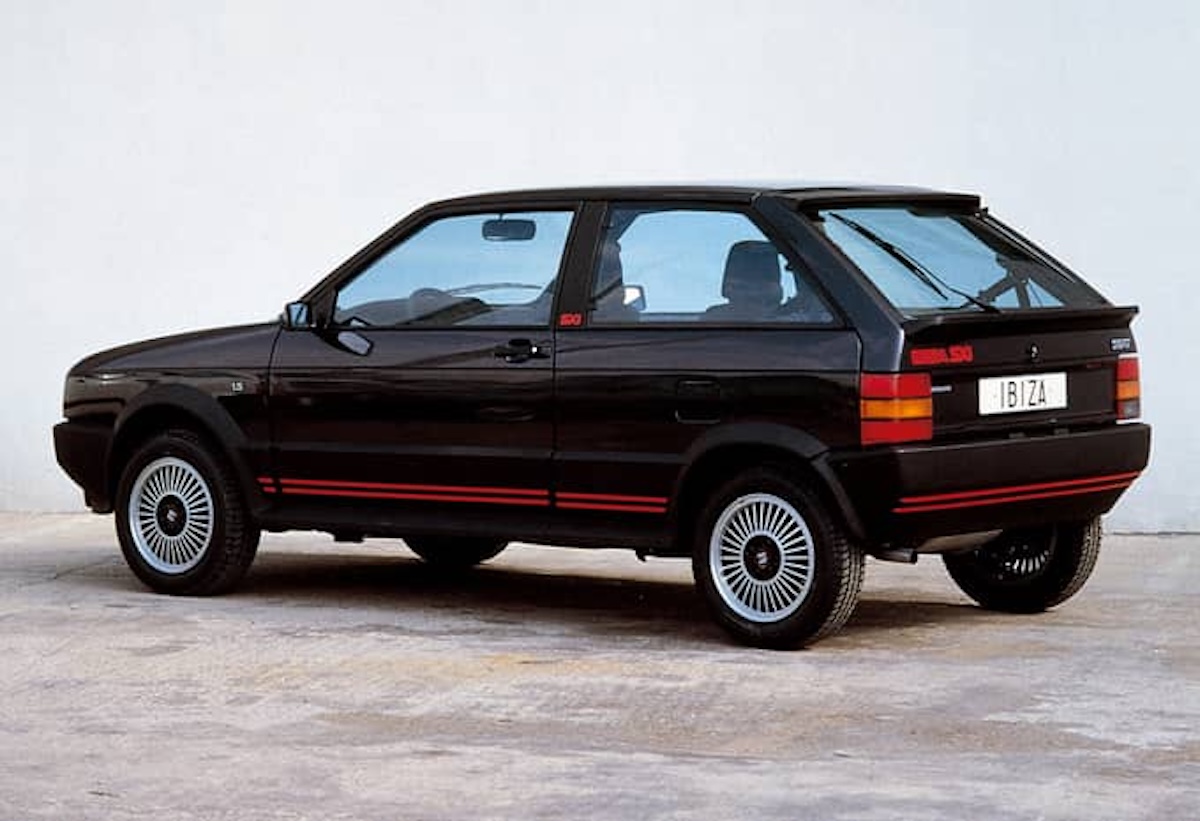
The Ibiza came at the perfect time. Spain was modernising, Europe was opening, and SEAT needed something fresh. It gave the company a younger image and helped it move beyond the old Fiat story. You could argue that the Ibiza saved SEAT, or at least gave it the personality it badly needed.
Still, independence is expensive. Cars are not made only with passion and nice sketches. They need platforms, engines, quality systems, export networks and money. SEAT found the answer in Volkswagen. Cooperation started in the early 1980s, and by 1986 Volkswagen took a majority stake. By 1990, SEAT was fully under Volkswagen control. So much for independence.
Volkswagenisation
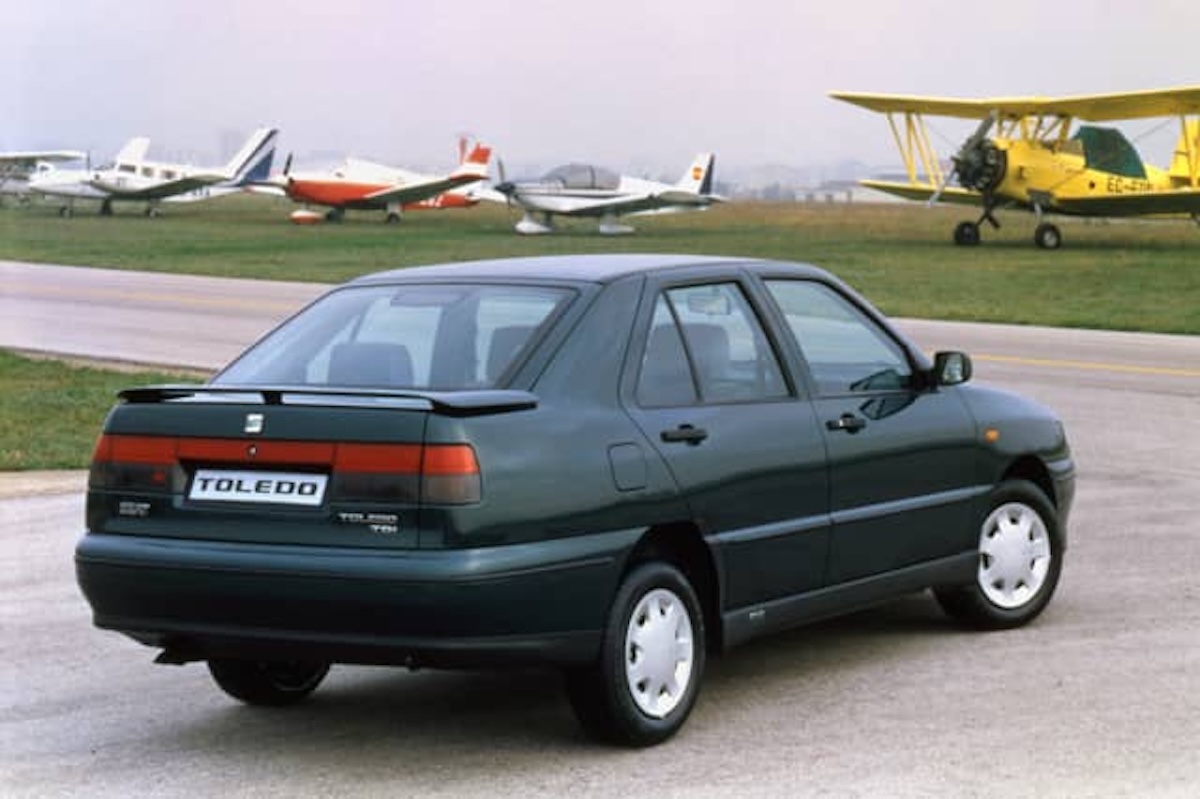
The Germans did not turn SEAT into a German brand overnight, and thankfully it never fully became one. But Volkswagen brought structure, investment and technology. The first-generation Toledo of 1991 showed what this new era could look like. It was built on Volkswagen technology, but had a strong Mediterranean appearance. Its proportions and rear design did not follow traditional German conventions. It still had that whiff of Latin soul.
Then came the Martorell factory, opened in the early 1990s, which became the modern heart of the company. From there, SEAT could finally operate like a serious European manufacturer.
The 1990s were probably the decade when SEAT found the formula that still defines it: Volkswagen Group technology, slightly sharper design, a younger image and usually a lower price than a Golf or Passat. Cars like the second-generation Ibiza, Cordoba, Toledo and later the first Leon helped SEAT become more visible outside Spain.
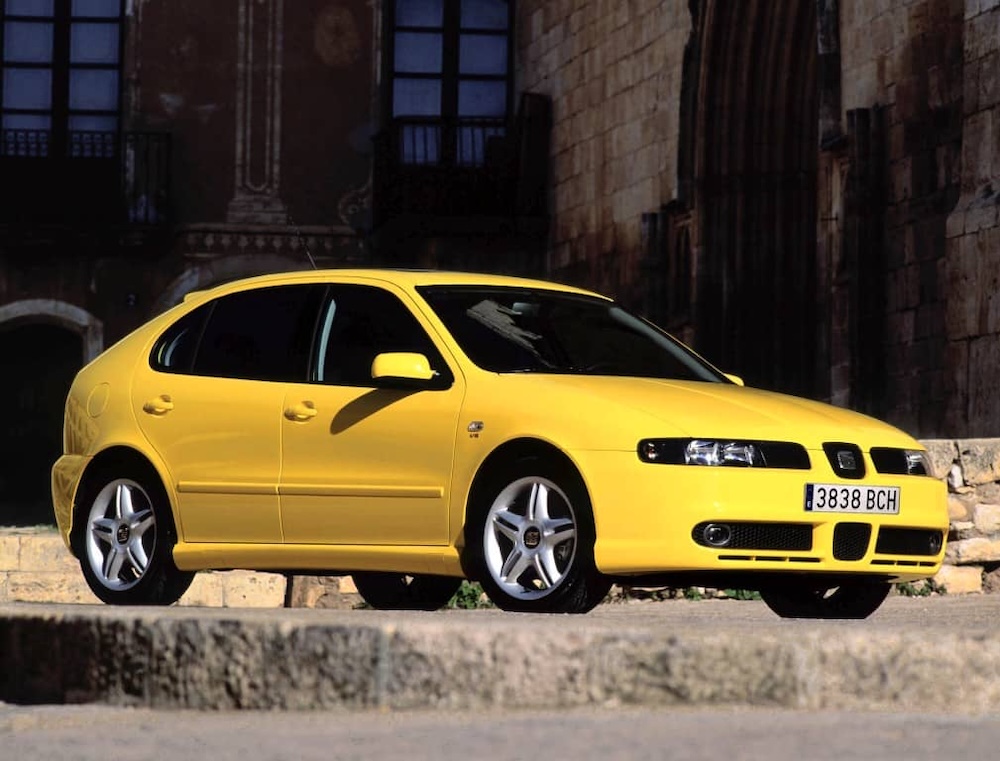
The first Leon, launched in 1999, was especially important because it showed that SEAT could be genuinely desirable. In Cupra form, it had serious power and that useful sense of being a little less obvious than a Golf GTI.
The 2000s
The 2000s were more uneven. SEAT tried to become more emotional and sporty, helped by designer Walter de Silva. Cars like the Altea, second-generation Leon and Ibiza had a more dramatic look, with sweeping sides and hidden rear door handles. Some people loved this design era, while others were confused by it.
The Altea was not exactly a normal MPV, the Toledo became a strange tall hatchback with a saloon-like boot, and SEAT sometimes seemed to be searching for itself again.
The New Stuff
The company kept going. The Leon became better and more mature, and the Ibiza remained a dependable small car for young drivers, rental fleets and anyone who wanted a Volkswagen Polo with more flavour. Later, SEAT finally entered the SUV world with the Ateca, Arona and Tarraco.
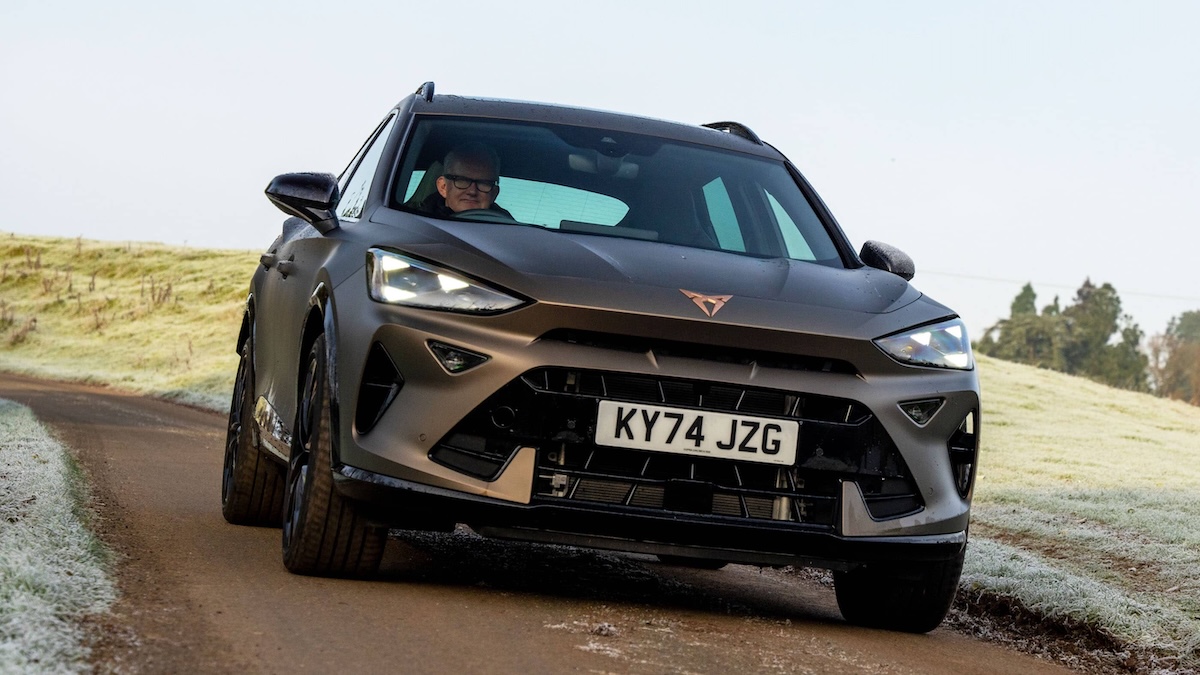
Then came Cupra as a separate brand in 2018. This was both logical and slightly sad. Logical, because Cupra had more emotional potential and could sell more expensive cars. Sad, because it also made many people wonder what SEAT itself would become. Cupra got the exciting image, the wild designs and the performance halo. SEAT was left with the sensible part of the family.
But SEAT still matters, because it was there when Spain needed wheels, and because for decades it made cars that were practical, likeable and just emotional enough to avoid becoming appliances.
---
We invite you to begin your journey by exploring our extensive collection of Car Categories. Then, visit the Classic Passion Shop, where you'll discover unique products from our trusted partners—carefully selected for every classic car enthusiast looking to add something special to their collection. You can also buy gift cards with cryptocurrency through CoinGate Gift Cards.