There are certain design decisions that not every car can claim. Through the driver’s experience, they establish a kind of hierarchy, elevating one automobile above others. Think of the Mercedes-Benz lineage – the W123, W124, W126 and similar models. The ignition key is inserted directly into the dashboard, not into the steering column. When you sit in such a car, you do not search for where to put the key. In front of you are the steering wheel, the essential instruments and a clearly defined lock through which you command the heart of the machine when to beat. This approach is characteristic of noble automobiles – Bentley, Rolls-Royce and Mercedes-Benz.
At first glance, Maserati should belong to this group as well. Yet when looking at the interior of the third-generation Quattroporte, one is left surprised: the ignition barrel is mounted in the steering column housing. Still, perhaps there is nothing strange about this. It lends this official limousine a touch of earthly practicality and Italian frivolity. The Maserati starts just like a Fiat 125. That does not mean, however, that the Maserati Quattroporte is any less majestic. On the contrary – it is one of the most authoritarian cars ever built.
Hierarchy of Design
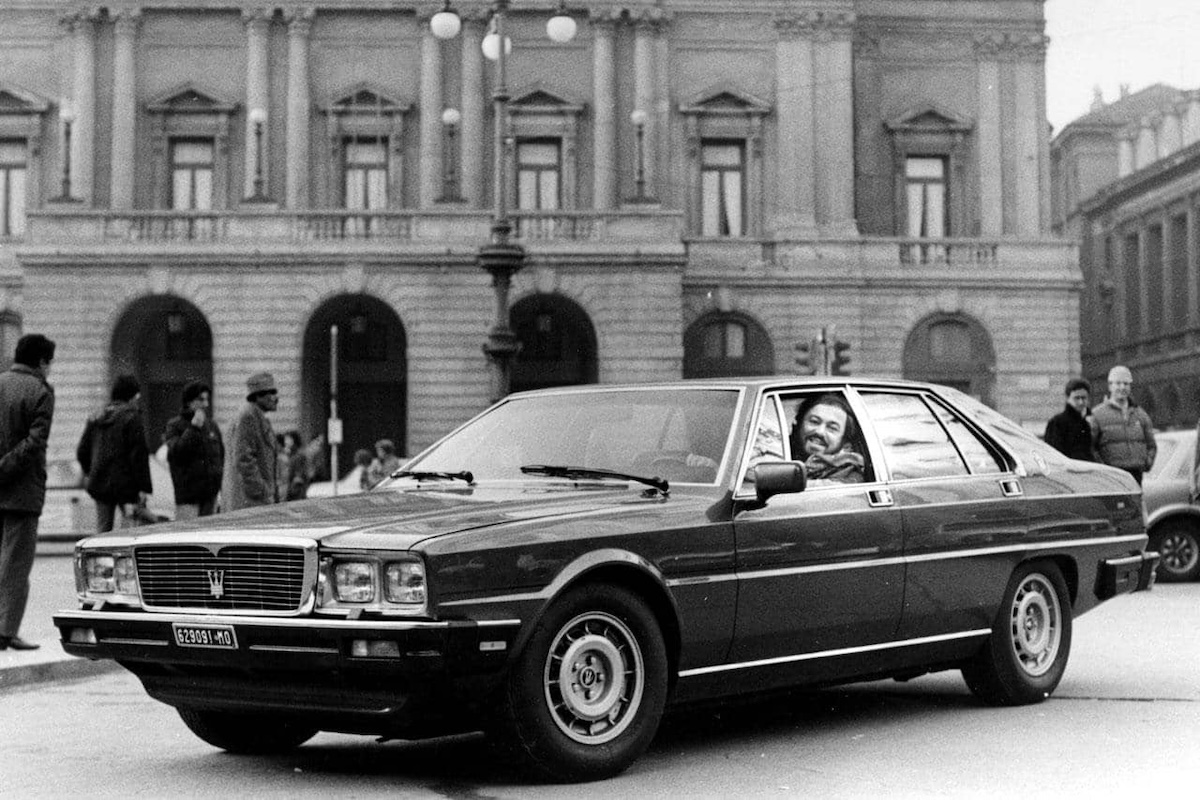
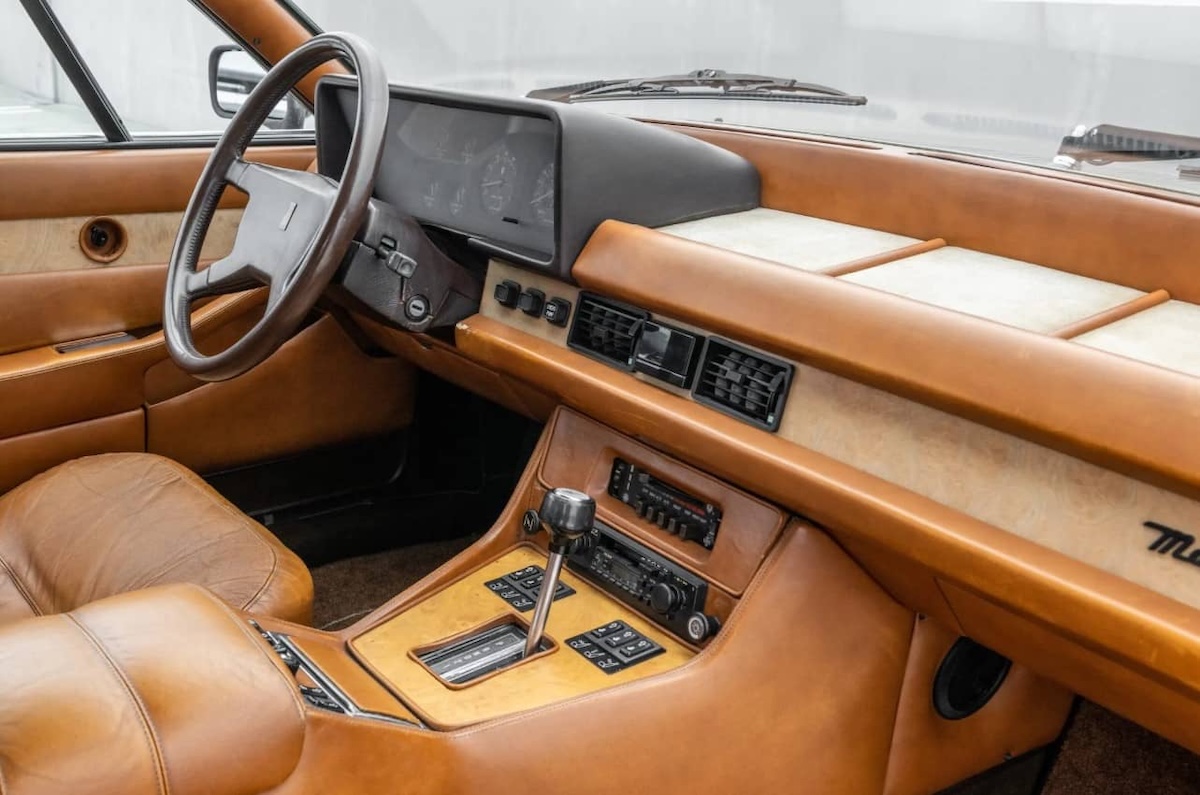
Yours truly once had a short chance to explore one of these saloons in more detail and even drive it. The four-door Maserati was very inviting. The car I drove had a dense, honey-coloured interior that glows outward, greedily overpowering the plain silver-coloured exterior. The scent upon opening the door is equally rich in these cars – it is all leather. Seats, dashboard, door panels, handles, even the stems of the seat headrests are wrapped in leather. The headliner resembles a tweed jacket; caramel and mustard tones. The deep blue instrument panel is as intricate as an Italian watch. Even the door hinges wear a deceptively brass-like finish. The interior is framed by genuine briar wood inserts, clearly revealing Maserati’s domestic, hand-crafted nature. These cars were assembled by hand, and in places it truly shows. The cabin feels like a slightly rushed architectural student’s model, a strong idea that needed just one more day and steadier nerves to be finished calmly.
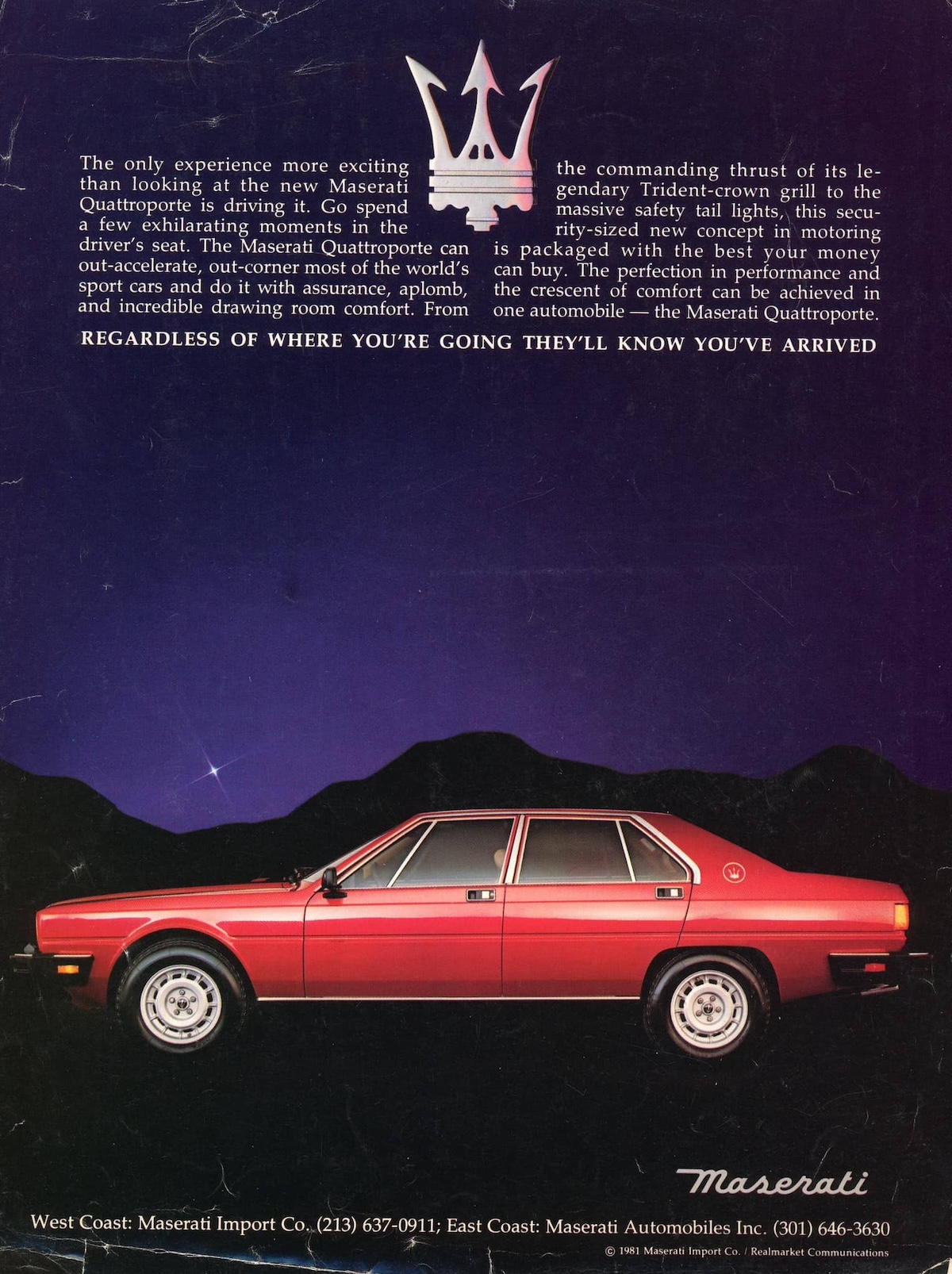
The Quattroporte was the first four-door, eight-cylinder Maserati intended for Europe’s upper classes. This is already the third Quattroporte, taking over from the two-year production oddity that was the second generation – the front-wheel-drive Quattroporte II, based on the Citroën SM. Strange yet charming and full of curious details, only 12 examples were built between 1976 and 1978. During that period, the luxury saloon market was dominated by Mercedes-Benz, Jaguar, and Daimler, favourites of corporate vice presidents, and they were eyeing a promising future in North America.
Italy wanted to reclaim this title, and Alejandro de Tomaso took charge. At the time, he controlled not only Maserati, but also Moto Guzzi and the design houses Ghia and Vignale. As the 1980s approached, car design was becoming increasingly aggressive and angular, risking anonymity. With the Quattroporte, the Italians managed to keep that threat in check. In 1979, the third Maserati limousine returned with rear-wheel drive and a V8 engine. Production lasted until 1990, when the final, 2,155th Quattroporte III was completed.
Handmade Power
The Maserati V8 is like a restaurant’s long-standing house special, refined and preserved over decades. The origins of this 90-degree V-engine date back to 1939, when it was first developed as a racing motor. In 1959, it was adapted for the Maserati 5000 GT, and although heavily evolved by then, it was installed in a new Maserati for the last time 43 years later, in 2002, at the end of 3200 GT production. In the Quattroporte III, it is an all-aluminium engine with four camshafts and four Weber carburettors.
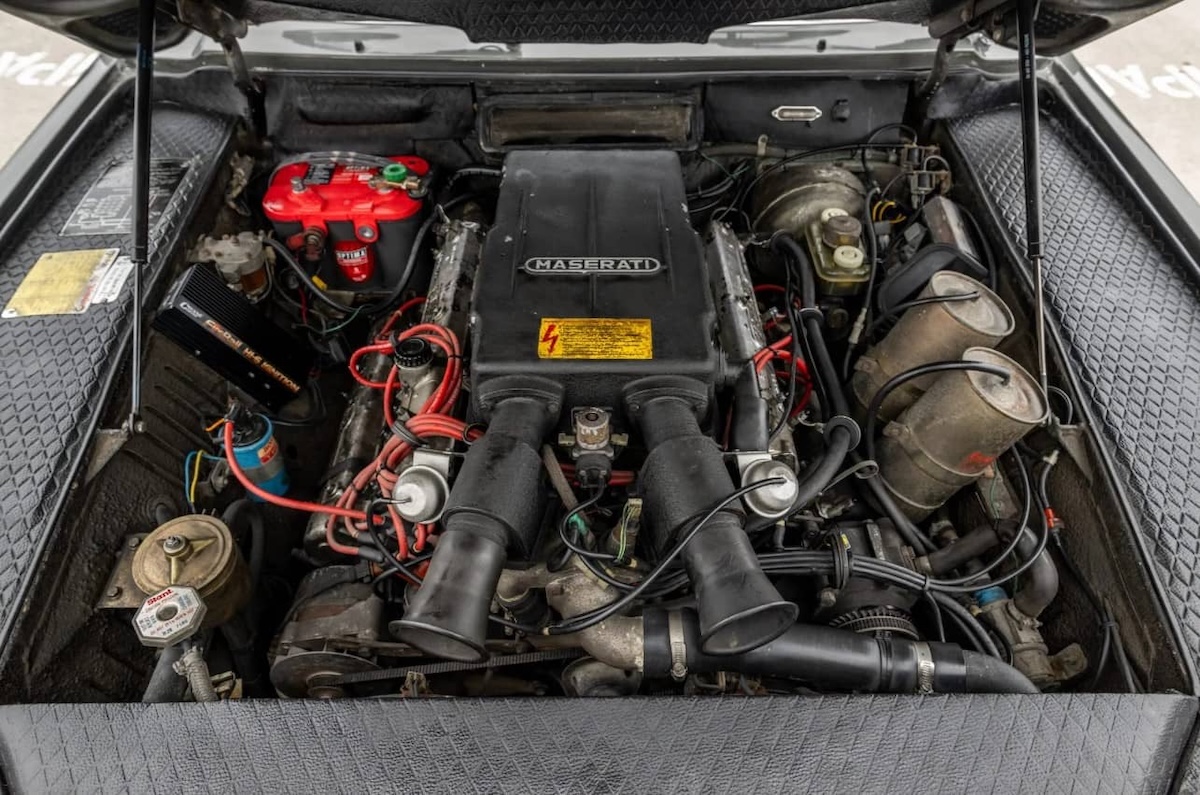
The Tipo 107 eight-cylinder sits in an ornate bay where much is deliberately concealed. Internally, it turns slowly and powerfully. It scoops fuel by the bucket and throws it, one after another, into the throats of the carburettors. The sound is like an old petrol lorry. The thudding travelling through the long pipes flaps your trouser legs. Each cylinder’s explosion sounds like a heavy stone falling onto fresh black soil. These engines run slow and lazy, but the carburettors wake it easily.
Giugiaro’s Shape
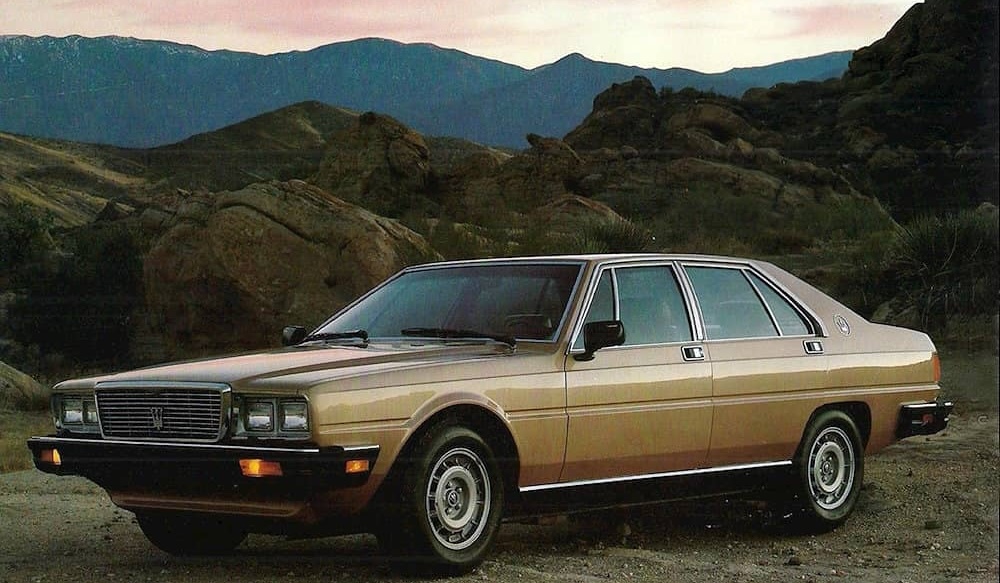
The exterior design was penned by Giorgetto Giugiaro. Only he could create such taut bodywork and moods, though there is also a hint of Gandini, who later designed the fourth-generation Quattroporte. The rear wheel arches of this Quattroporte III are not far from Gandini’s trademark asymmetry. A true visual feast. Space for the driver is limited. Your head nearly brushes the headliner, much like in Bentley or Rolls-Royce SZ limousines, though rear passengers enjoy more room. The jewel-like gear selector moves with authority. Engaging a gear feels as though you have switched on a city’s power supply. It controls a solid three-speed Chrysler Torqueflite automatic. Release the brake pedal and these cars do not creep forward as expected. You need the accelerator and a generous press sets the limousine in motion as if dragging it out of a sand pit.
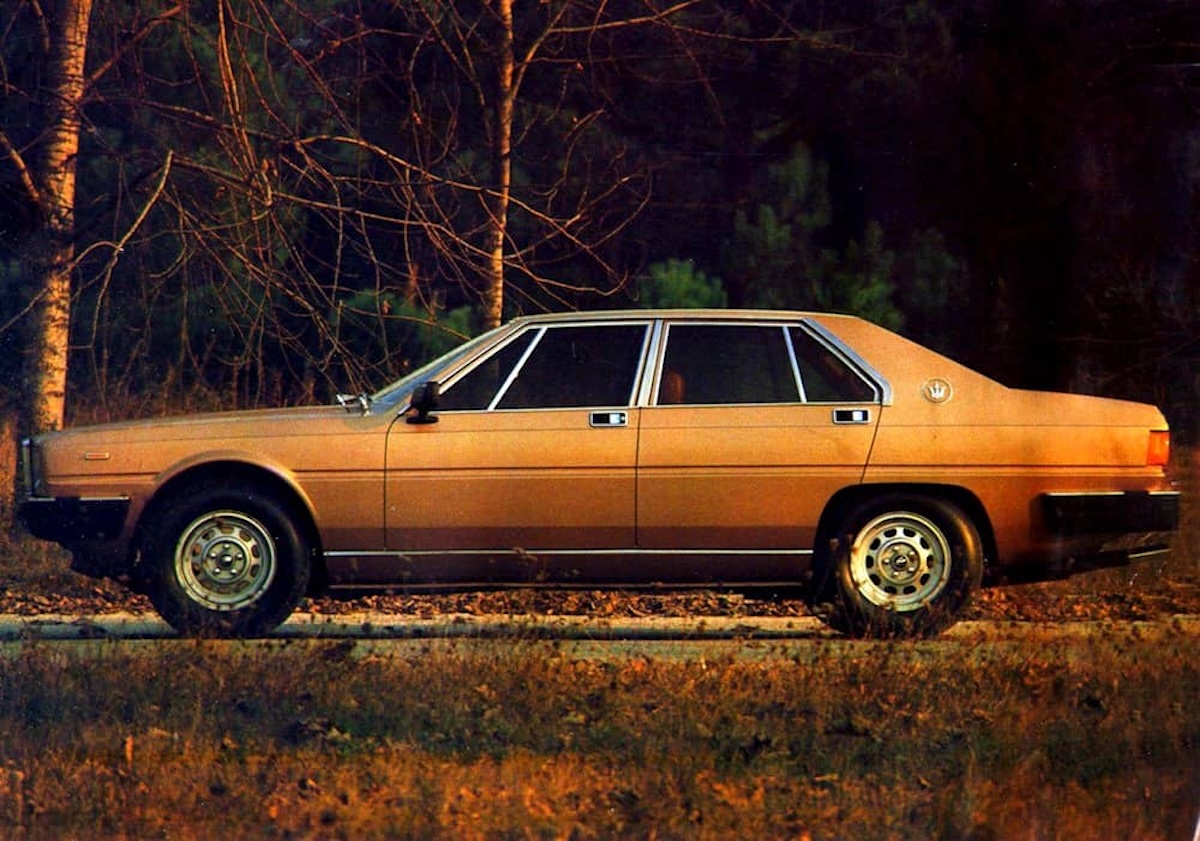
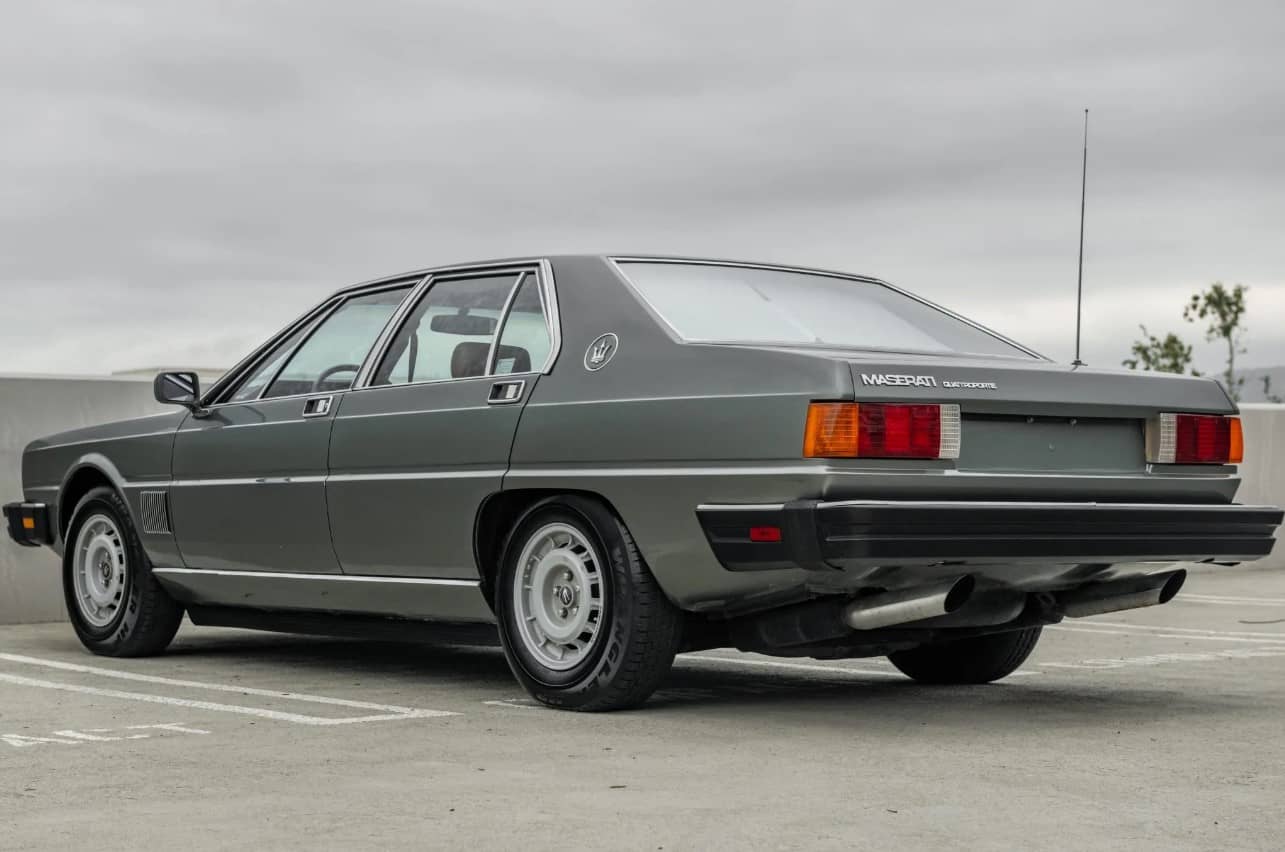
The Quattroporte moves like a lead ship and in the first minutes it is hard to believe this was once the fastest saloon in the world. But then another talent emerges. Not every car can transform the driver’s state of mind and cast them into a different role entirely. Design plays a crucial role here. The car is low and wide, yet with generous ground clearance – so that, should a shootout occur, you could escape across open fields. This theme extends to an apocalyptic technology unthinkable in modern cars: a switch on the dashboard to activate a second, auxiliary fuel pump. The low silhouette is felt most strongly from the rear, where daylight enters through a narrow, sharply angled rear window. It feels as though the car could be slipped through a letterbox slot. Horizontal tension, lamps, and the absence of verticality make the Maserati highly aristocratic, even erotic, while the long exhaust pipes announce that there are certainly not four cylinders at work up front. Driving the Quattroporte – even more so when seated in the rear – you feel part of a different clan. One can easily imagine who bought such a car new, and why Italians maintain such a close relationship with corruption.
Automotive Jazz
On a long road, flooring the accelerator transforms the Quattroporte, launching it like a passenger jet. The engine shifts from a slightly American-sounding rumble to a sharp, Italian wail as 280 horsepower comes alive. The gearbox bangs into second, and the acceleration does not relent. Time throbs in your temples as you listen to the singing V8 climbing towards its redline. This is true automotive jazz – constantly changing, richly textured, and utterly expressive. A completely atypical executive saloon.
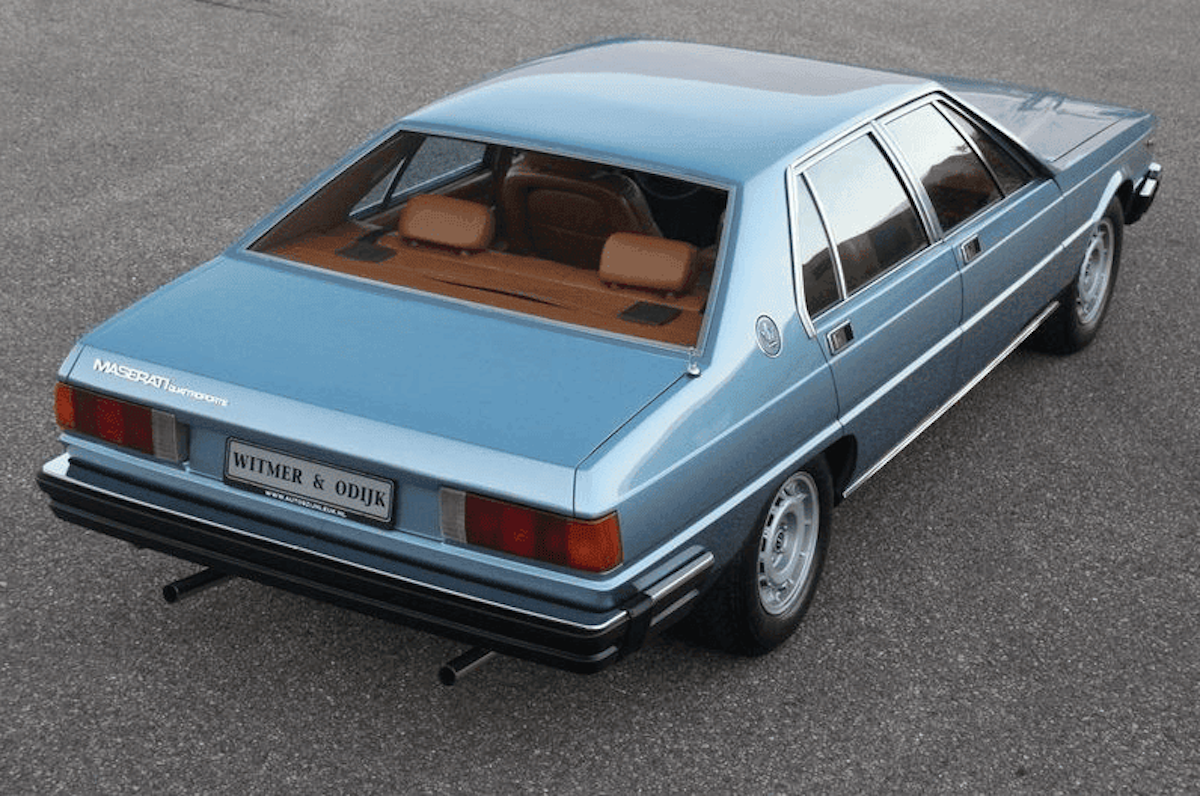
The Maserati Quattroporte III possesses something other European luxury limousines do not: an intimidating shape, an exotic engine, and an extravagant interior. No one has ever truly tried to replicate it. The closest comparisons are later Maseratis, certain Jaguars, and the Mercedes-Benz W140 S-Class, known in Western Europe as the “bunker” or the “cathedral”. Not even Maybach or other German limousines managed to create this sense of monstrous solidity and diplomatic anger. It is extraordinarily difficult to achieve. The Maserati Quattroporte III is a profoundly authentic, luxurious, emotional and powerfully atmospheric automobile.
---
We invite you to start your journey by exploring our broad selection of Car Categories. After that, feel free to visit the Classic Passion Shop, where you’ll find unique products from our partners — thoughtful picks for every enthusiast looking to add something special to their collection.