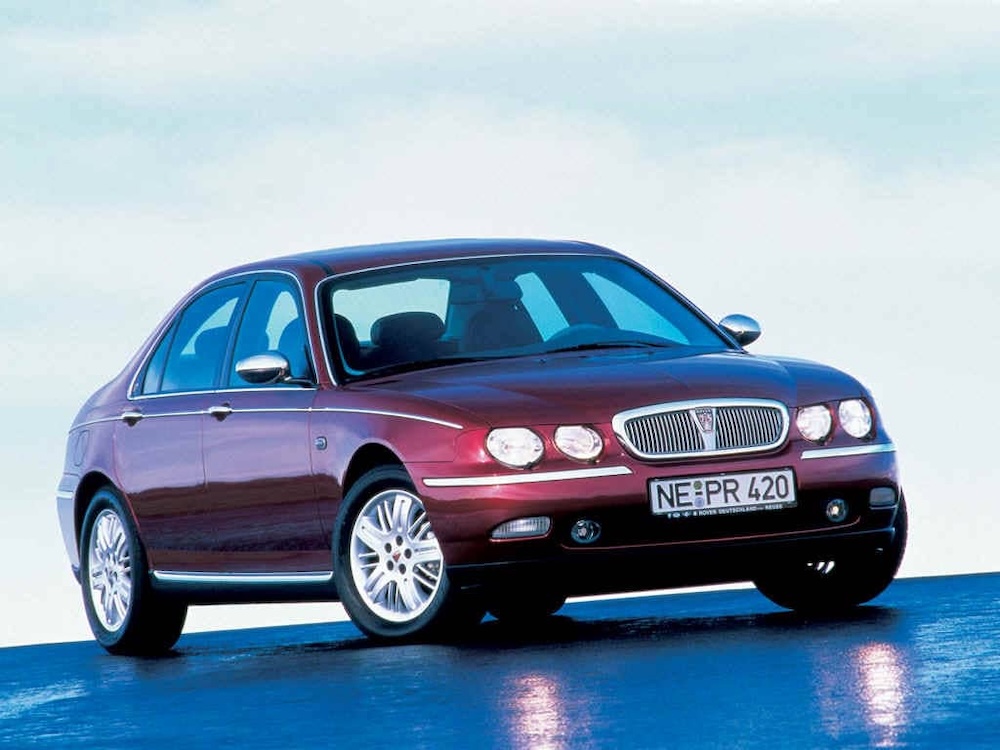
Glory and recognition were stolen from the Rover 75 by its own parents. The car was shown to European eyes on 20 October 1998, but that same evening its fate was effectively sealed. Although BMW had taken the helm of Rover in 1994, the Germans didn’t welcome the British into the Bavarian circle. Rather, they pointed a finger and demanded cars that would actually make money, instead of bringing Rover into the team and sprinkling it with that supposedly magical BMW appeal.
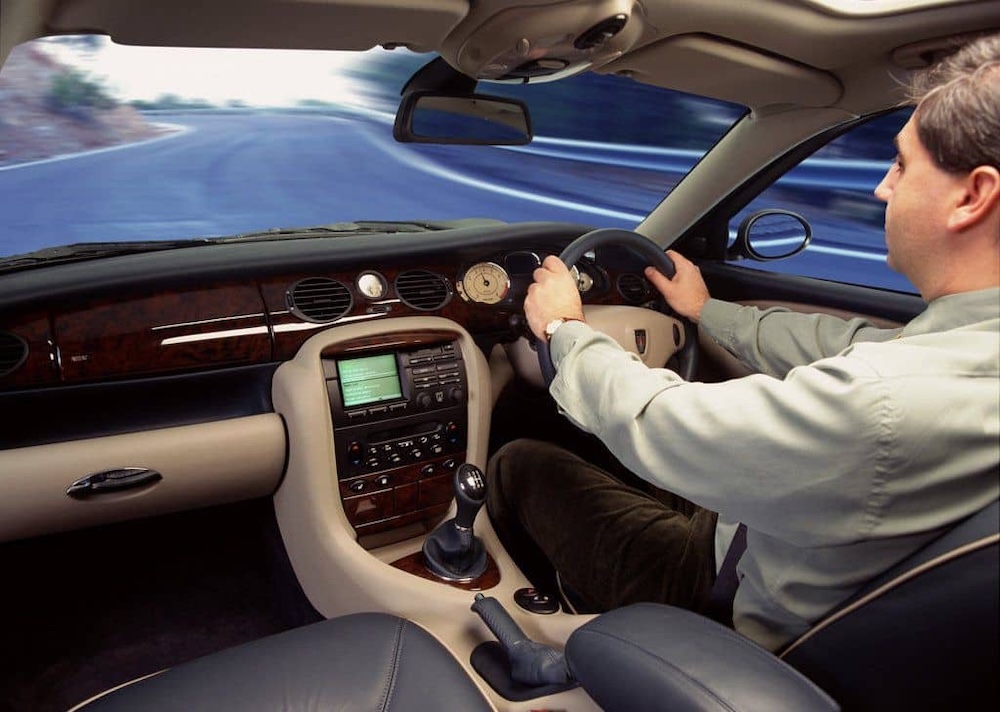
The order was simple: find a niche that wouldn’t compete with BMW’s scalpel-sharp products. To Rover’s credit, they’d already been drifting towards the luxury end for years. The Rover 75 was meant to be the gentleman’s BMW: a soft, plush mid-size saloon with an interior that radiated English warmth and engines that only lazily confirmed they even existed. The British were thrilled. At last they could show what Rover was meant to be, living as BMW’s desirable sibling and, crucially, bringing in serious money. The sort of money Rover hadn’t seen in a long time.
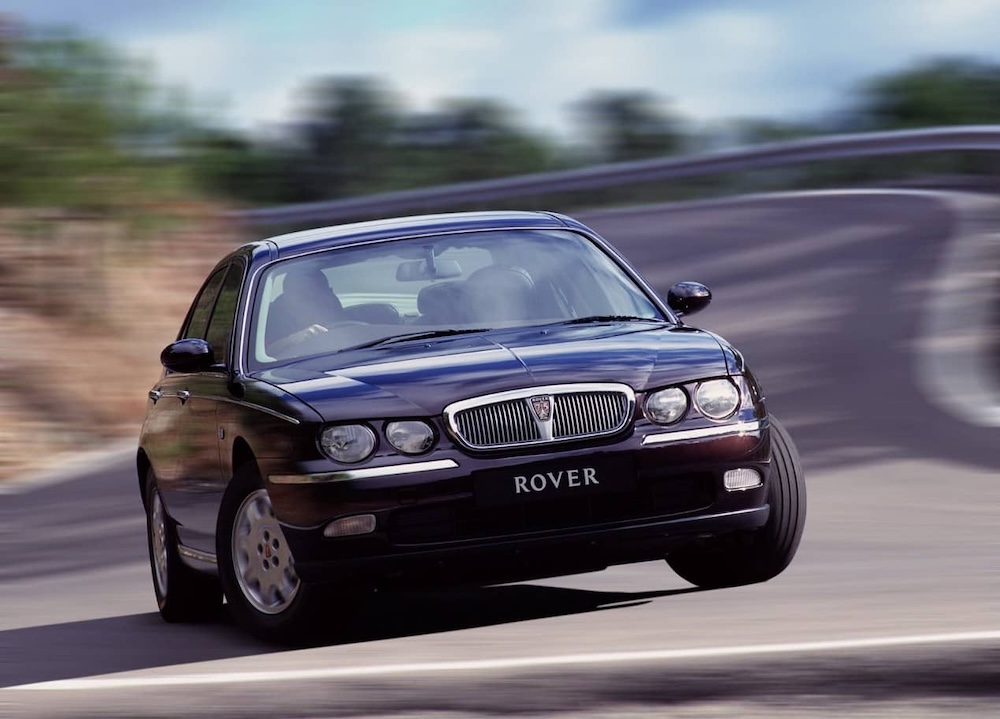
With Bavarian funding behind it, the project moved in a satisfyingly British direction, right up until BMW began interfering more and more, telling them what they could and couldn’t do. The plan had been to unveil the saloon at the 1999 Geneva Motor Show, but on German orders it would happen in Birmingham, a year earlier, in 1998. Pressure tightened. The Germans seemed to expect Rover to build cars as quickly as a canteen cook assembles a lunch plate.
Even so, the financial backing let the car be executed to a high standard. Most people know the MG-tuned Rover 75s – the MG ZT – offered as saloons and estates with both V6 and V8 power. But even the standard 75 came with a surprisingly wide range of engines: from BMW’s 2-litre diesel all the way to a Ford Modular 4.6-litre V8, which turned this Rover into a bit of a phenomenon – a car you could find in both front-wheel-drive and rear-wheel-drive form.
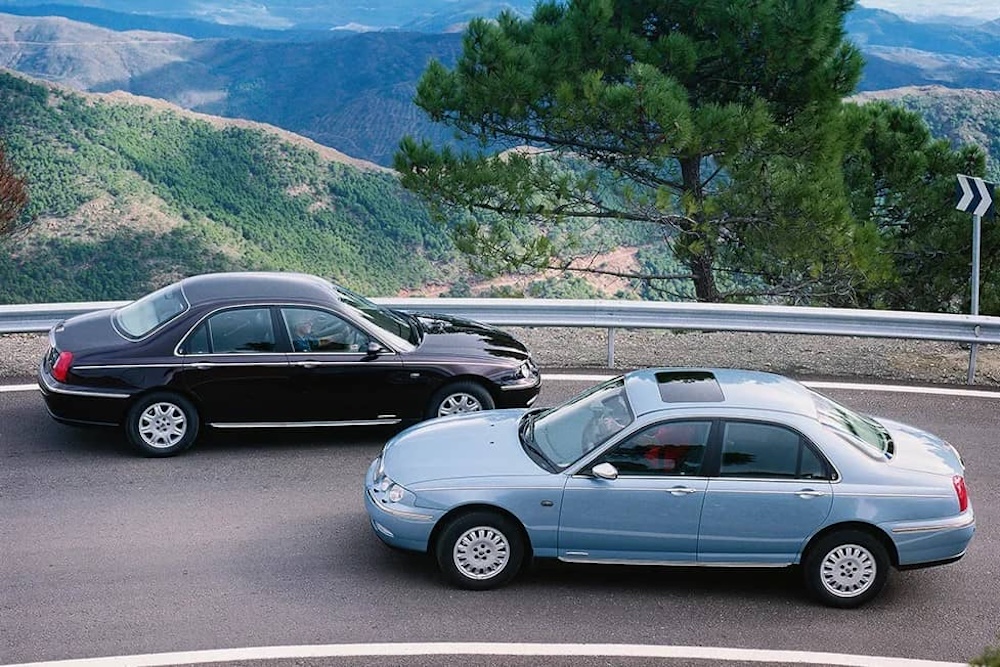
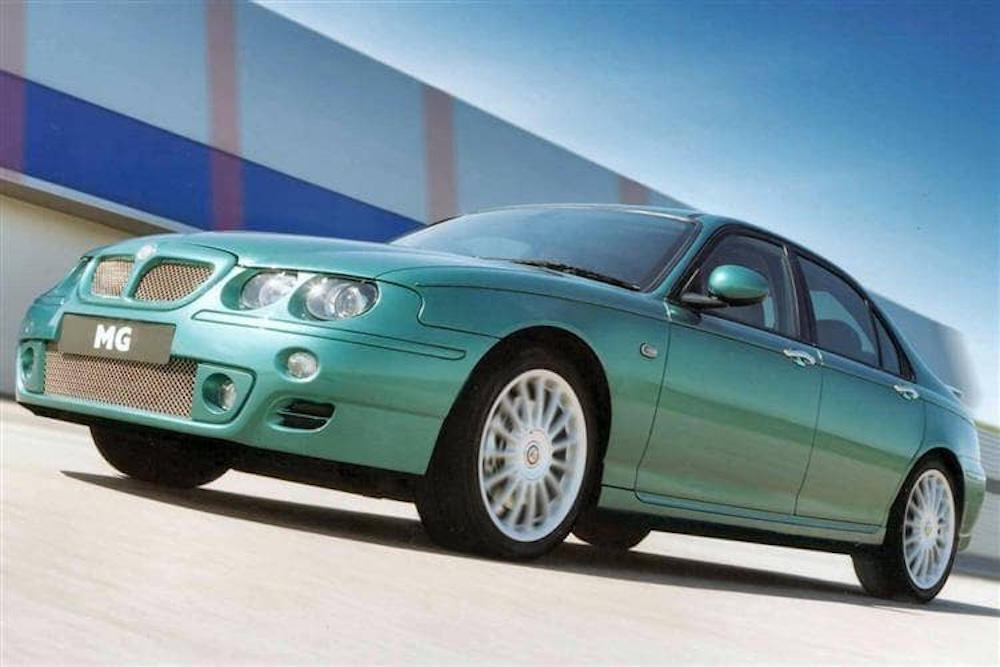
Despite the heat under everyone’s backsides, the production launch and early reviews were a genuine success. It stood apart from the Lagunas and Passats, even if it looked older than both. European magazines praised its finish and its distinctiveness. Designer Richard Woolley drew inspiration from the classic Rover P5 and the cars of the 1960s. The public was proud, patting itself on the back at the return of a proper luxury Rover saloon. The mood couldn’t have been better.
And who always knows how to ruin everything? An angry German. BMW president Bernd Pischetsrieder – the man who had pushed for the purchase of Rover Group and would later be judged very controversially for it – delivered the blow. In the 1990s, the Deutschmark had weakened significantly against the British pound, hurting German business. Meanwhile, the legendary Longbridge plant, desperately in need of modernisation, didn’t receive a penny of the funding the UK government had promised. Rover, even under BMW’s wing, was still bleeding and rusting – in every possible sense. So, during the Rover 75 launch press conference, an irritated Pischetsrieder declared that unless certain institutions took action, he would shut Longbridge and Rover altogether. Hopeful Britons were knocked back onto their rainy soil. There were even far-fetched theories that Pischetsrieder didn’t want Rover only for money: Sir Alec Issigonis, creator of the iconic Mini, was a second cousin of the BMW boss, so perhaps family drama was tangled in there too.
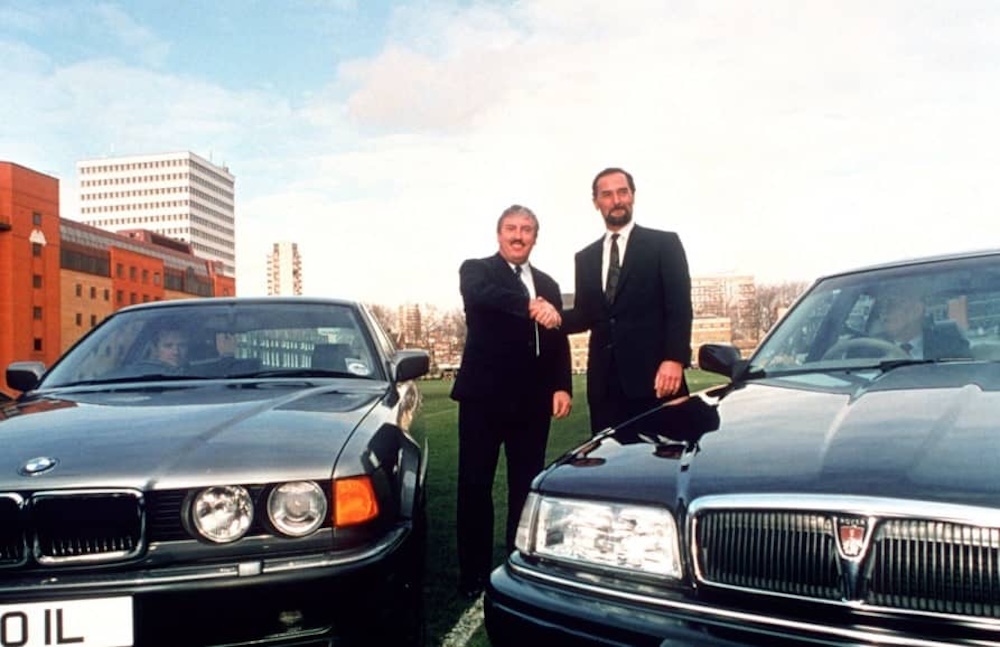
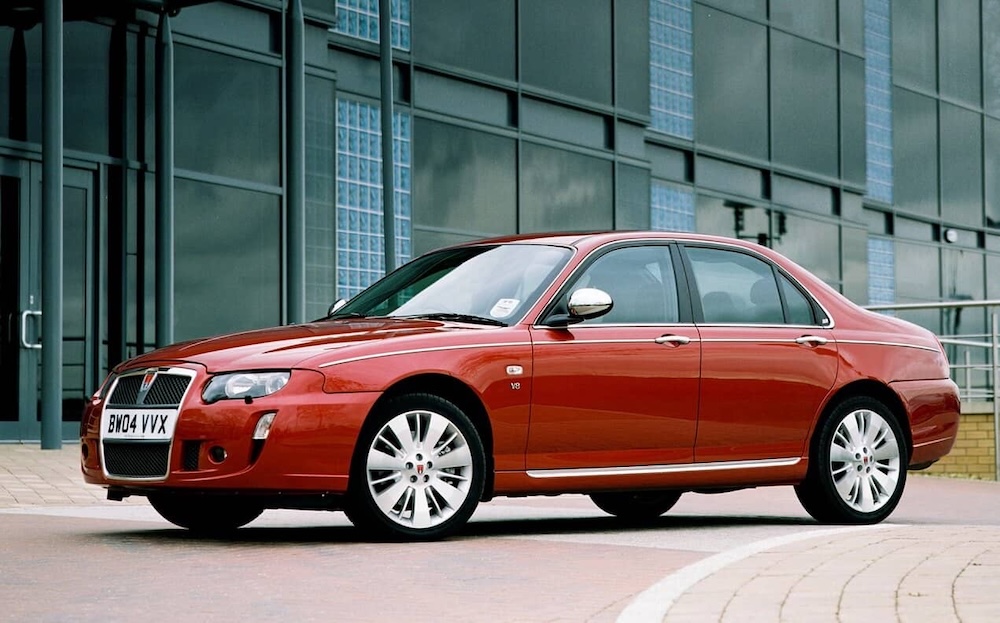
Although the 75 was built until 2005, BMW sold the company in 2000, and what followed was even harsher. The remnants of Rover Group were handed over for just ten pounds, tossed around until they ended up – you guessed it – with the Chinese, in 2004.
It didn’t only hurt Rover; it hurt BMW too. The collapse cost them a tasty 15 billion Deutsche marks, and right before the sale, keeping Rover afloat was costing £2 million a day. But they had only themselves to blame. BMW’s analysis and purchase were done in just ten days – hardly enough time to uncover every problem Rover was suffering from. There were cultural frictions too: after WWII, the English and Germans weren’t exactly best mates, and the British were slow to accept German influence and leadership, while Rover’s earlier cooperation with Honda had been far more effective. BMW itself also wobbled. In the first year, the board couldn’t decide what to do with Rover Group management: give them freedom, or take full control. Perhaps there was panic in Munich – VW already held Audi, Skoda and Seat, and Mercedes had beaten BMW to the luxury SUV market, so something had to be done quickly. With Rover, unfortunately, it didn’t work out.
---
We invite you to start your journey by exploring our broad selection of Car Categories. After that, feel free to visit the Classic Passion Shop, where you’ll find unique products from our partners — thoughtful picks for every enthusiast looking to add something special to their collection.