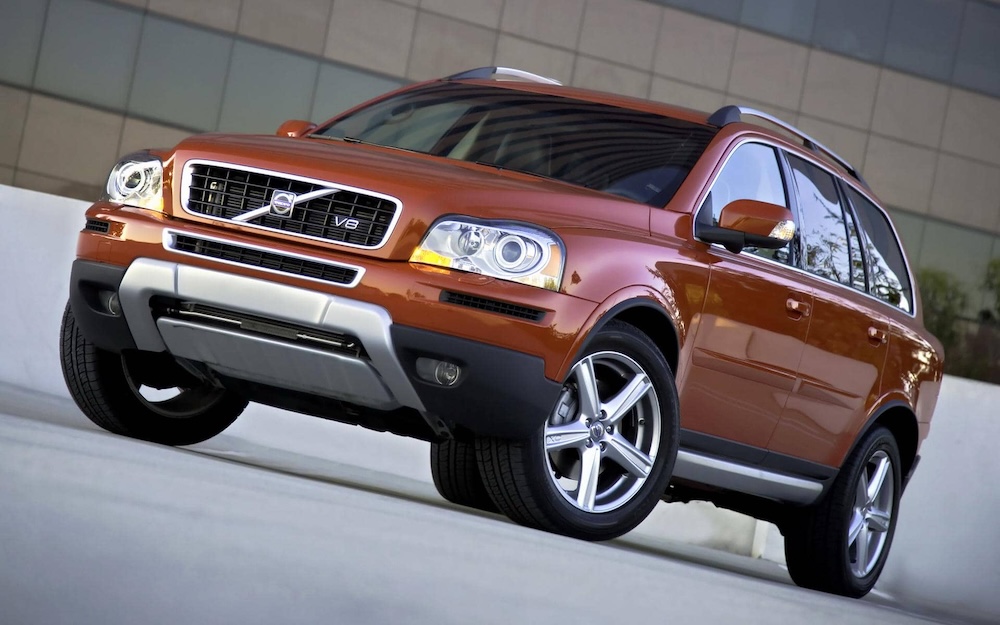
These days, big V8s are becoming the exception and something you talk about. Performance line-ups are being downsized, electrified or both, and brands that once built their image on unique, brash engineering are pivoting to batteries, hybrids and turbocharged fours. Volvo has been on that road for a while now, which makes it easy to forget that, not so long ago, the company bet on a very different kind of flagship.
More than two decades ago, Volvo launched a family SUV that became an instant hit in North America, then in Europe, racked up over a hundred awards and turned into one of Sweden’s standout export successes. You already know the name. It is the Volvo XC90. Its roots go back to a time when the internet still felt like a luxury and when computer games arrived on floppy discs. That context matters, because it helps explain why the XC90 felt so fresh when it arrived.
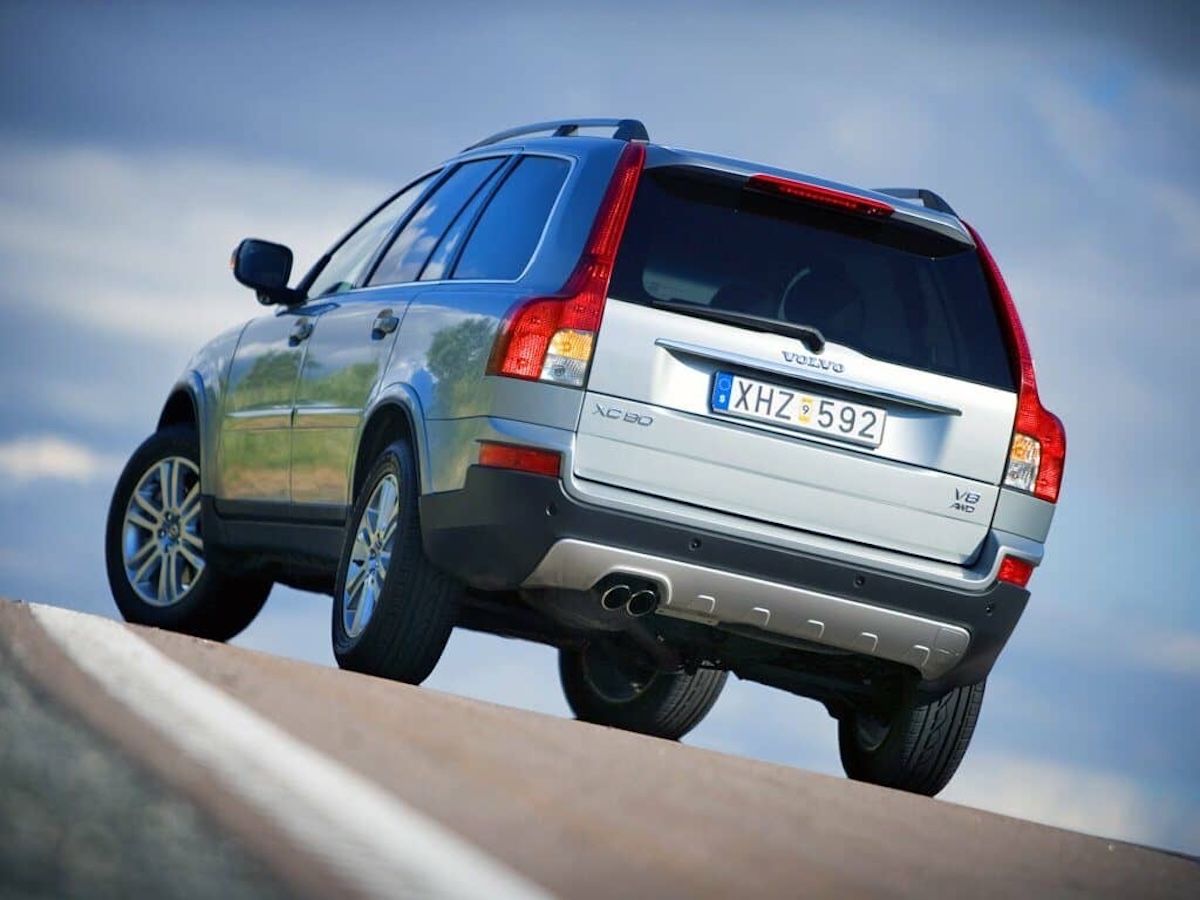
The story begins with a concept that even its creators were not fully convinced by. In 2002, at the Torslanda plant, the first production XC90 rolled off the line. At the time, the “soft-roader” SUV category was already taking shape. The BMW X5 and Mercedes ML were familiar sights, and early Range Rover P38s were ageing into the sort of ownership experience that often involved a sagging rear end and frequent mechanical attention. Volvo needed something in that realm, but more suitable to the typical Volvo buyer.
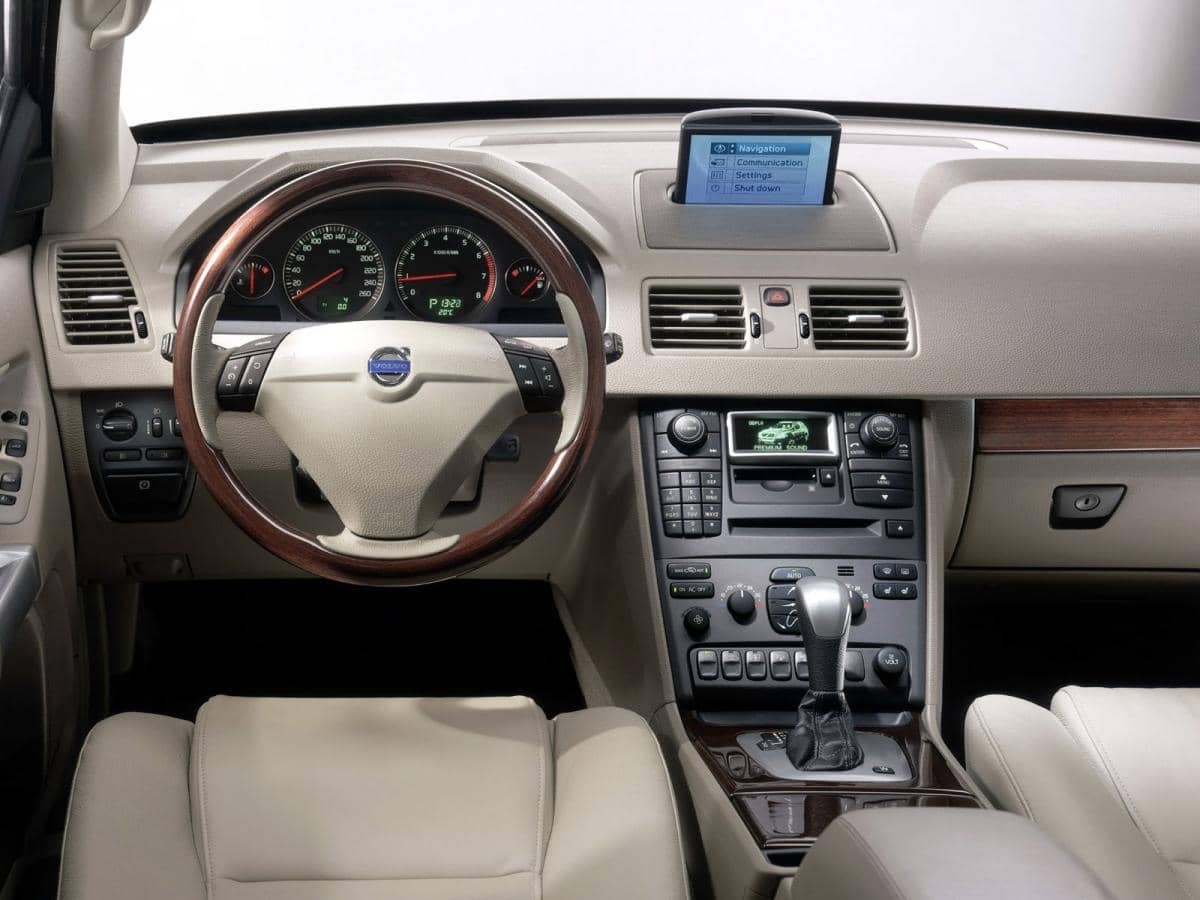
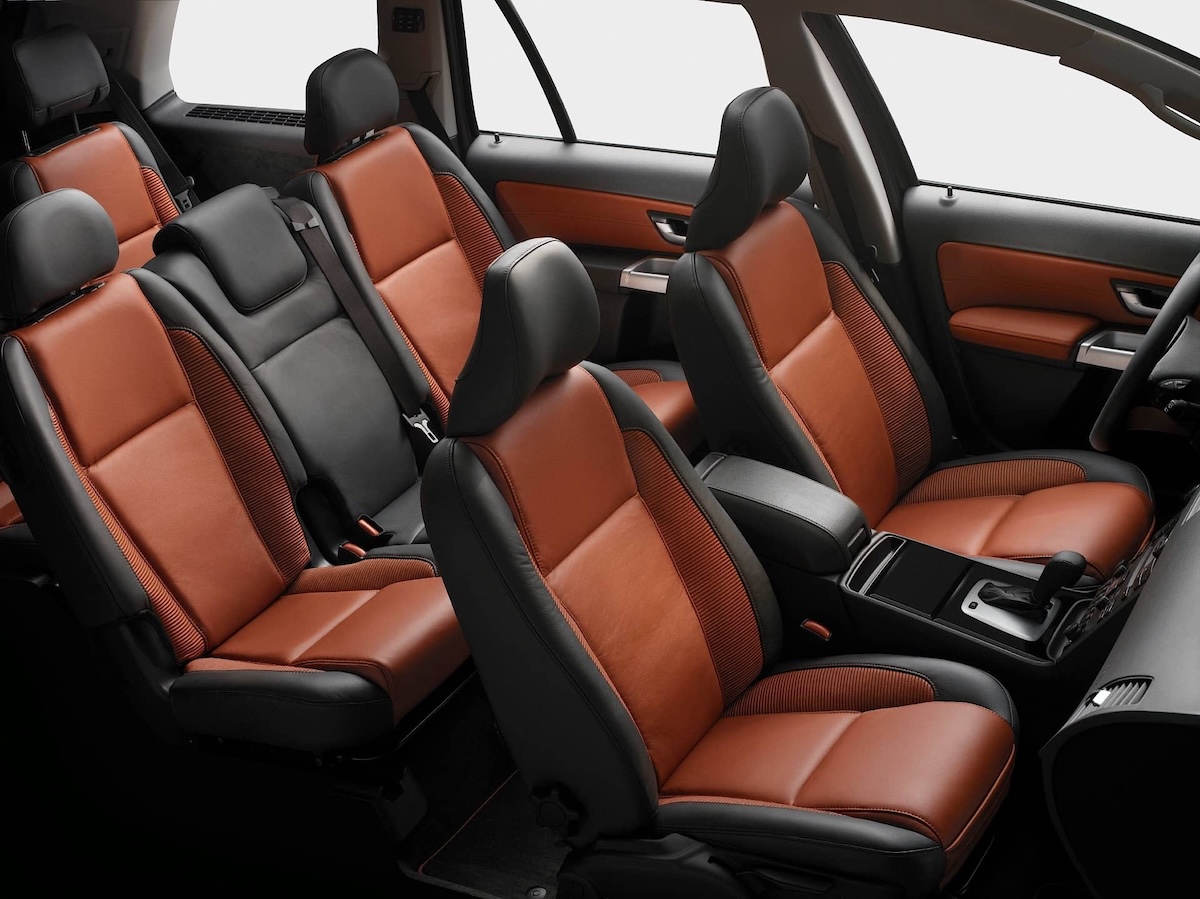
And the first XC90 was certainly that. It was honest, safe, and deeply practical, but it also had a solidity that many rivals lacked. The seats were genuinely comfortable and the interior felt properly Swedish - big, durable components, a reassuringly sturdy layout, and a cabin designed around family life.
Then, in 2005, Volvo did something that seems almost impossible today. It put a V8 under the bonnet. Volvo’s image has always been tied to restraint and responsibility, which is exactly why “Volvo with a V8” still sounds so out of this word. In an era when cars have become increasingly similar – a V8 Volvo feels like a bizarre headline, the kind of thing you would assume must be satire. And yet it happened, and it happened in the most Volvo way possible.
The engine was the Yamaha B8444S, a 4.4-litre V8. In earlier form, with slightly smaller displacement, it had already lived under the bonnet of the third-generation Ford Taurus SHO. Volvo did not exactly shout about that connection. On paper, the XC90 V8 produced 315 horsepower and 440 Nm of torque. The more important detail was how it delivered that torque: a large portion arrived already at around 2,000 rpm. That gave the car a smooth, naturally aspirated shove, not the spiky, breathless surge of a smaller turbo engine working hard, just like, sadly, new Volvos. It’s a steady, confident pull that suits a family-focused SUV. Drivers praised it because, for once, buying a Volvo did not mean accepting a powertrain that felt like a compromise next to the Germans. And in every other respect, the XC90 already stood strong.
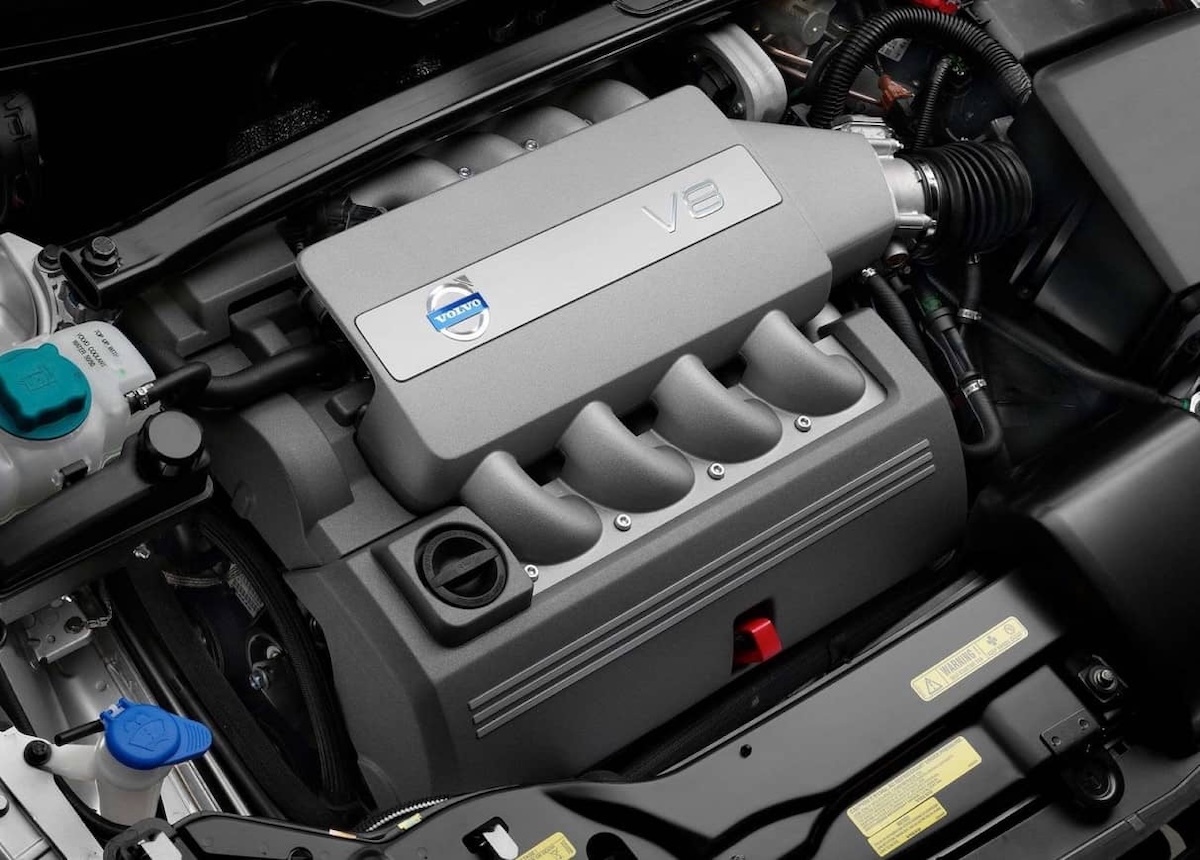
Because it was a V8 and not a diesel five-cylinder, Volvo also spent time on something that enthusiasts notice immediately: the sound. Through intake design and the way the engine breathes, the V8 developed a character that sits somewhere between two worlds. There is a hint of classic American rumble, but it is softened and refined, more European in tone, less raw and aggressive. At idle it is almost unexpectedly quiet. Press the right pedal, though, and it wakes up with a warm, dense note that feels substantial without being crude.
Technically, the engine was remarkable for another reason: how compact it was. Yamaha’s design mounted many auxiliary components - alternator, pumps, and more - directly to the engine without bulky brackets. The starter motor sat above the gearbox. The exhaust-side camshaft was driven through a secondary chain linked to the intake camshaft, helping save space. Even the block layout was offset, with one bank shifted by half a cylinder to fit tightly between structural elements and to support crash safety. The obsession with space and weight paid off. At roughly 190 kg, it was among the most compact V8s of its era, and arguably still unusually compact today.
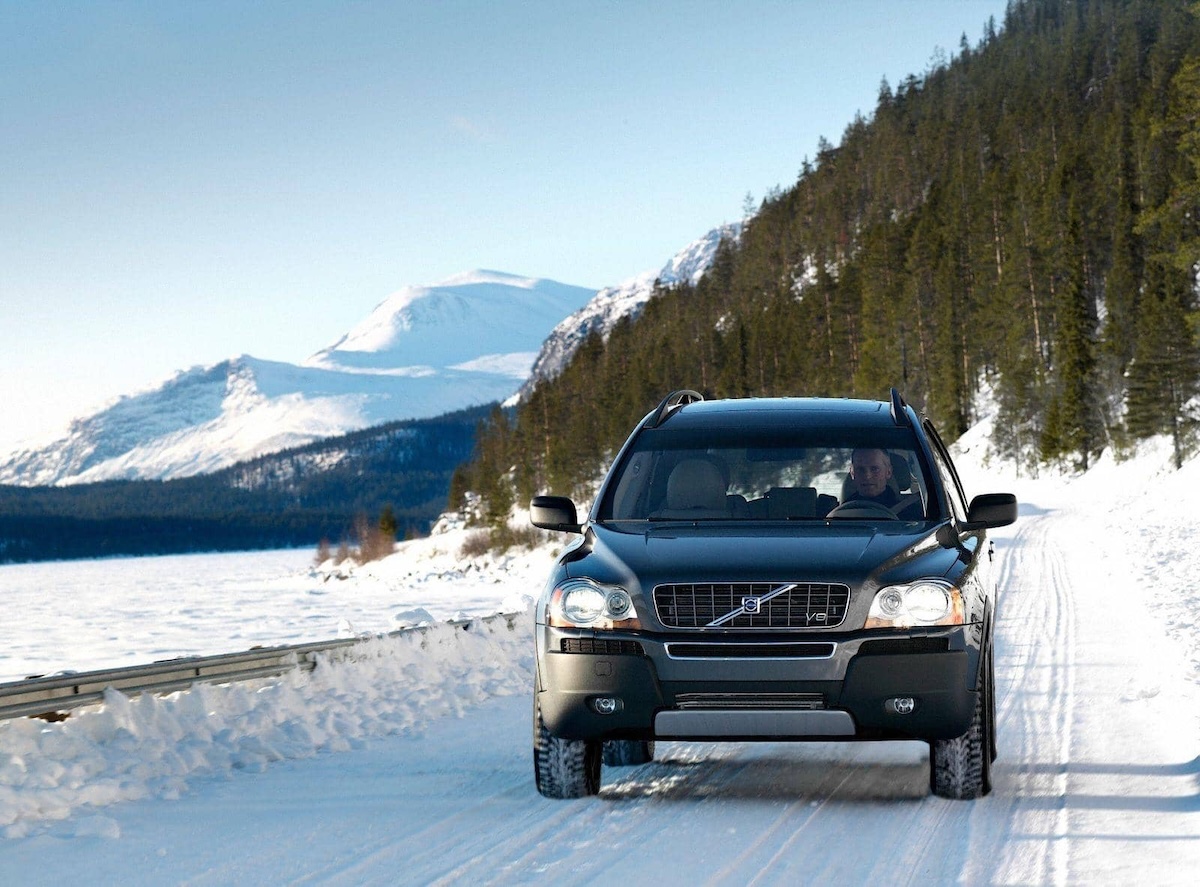
The rest of the car was designed with similar clarity. Good design tends to age well when it is clean and simple, yet still recognisable. Plenty of older BMWs prove that point, and there are Ferraris from the 1990s and early 2000s that look better every year. Whether the first XC90 will ultimately join that highest shelf is still open for debate, but what is clear is that it has remained solid-looking and honest, still very much a product of its time in the best way. Its shape communicates purpose and its cabin feels like it was built for people who actually travel.
And it has its famous fans. Jeremy Clarkson owned four of them, and he bought the last one right before the second generation launched in 2014. He called it the perfect family car. It is hard to argue with that, even if you disagree with him on almost everything else. Of course, the XC90 V8 is not perfect. The gearbox can feel slow and sometimes clumsy, and the steering is not particularly sharp. But those traits also fit the car’s personality. Look at the modern XC90 range and the contrast becomes even sharper. Today’s drivetrains are often more complex, engines smaller and more strained and the overall mechanical package more difficult to understand, maintain, and keep for the long term. Against that, the V8 XC90 begins to look like a future classic: a well-resolved all-rounder built at the end of an era when manufacturers still occasionally did something wonderfully irrational, simply because it made the product better. This was the same era when BMW and Volkswagen were putting V10 engines into their family cars.
One day we will look back on the 2000s as a golden period of cars that will never be repeated. The Porsche Carrera GT, the Honda S2000, and other machines that captured a final moment before everything changed. The Volvo XC90 V8 belongs in that conversation too. A family SUV from Volvo, powered by a naturally aspirated V8, engineered with unusual care, and built at a time when the brand still allowed itself to be surprising.
---
We invite you to start your journey by exploring our broad selection of Car Categories. After that, feel free to visit the Classic Passion Shop, where you’ll find unique products from our partners — thoughtful picks for every enthusiast looking to add something special to their collection.


