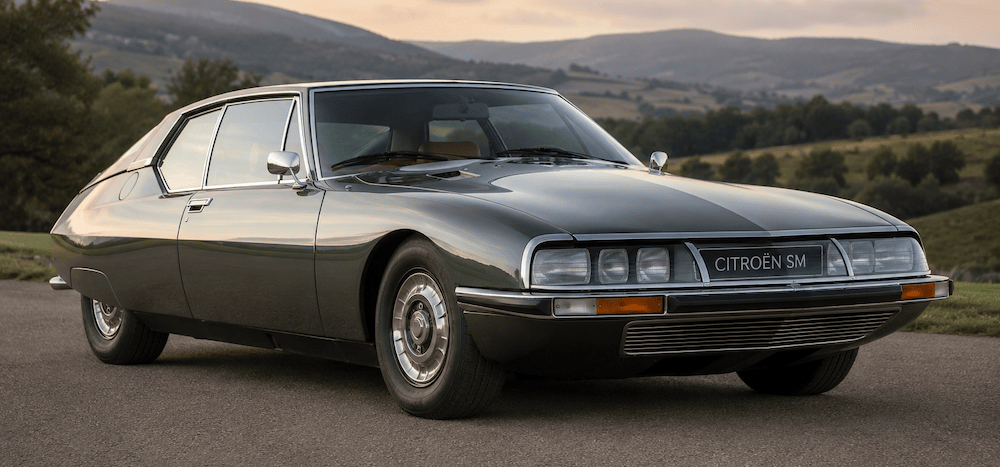
There are cars remembered because they were fast. Others because they were beautiful. Some were sold by the millions. Then there is the Citroën SM, a machine that ignored commercial logic altogether. It did not ask what buyers wanted, but asked what engineers were capable of creating if they stopped following conventions.
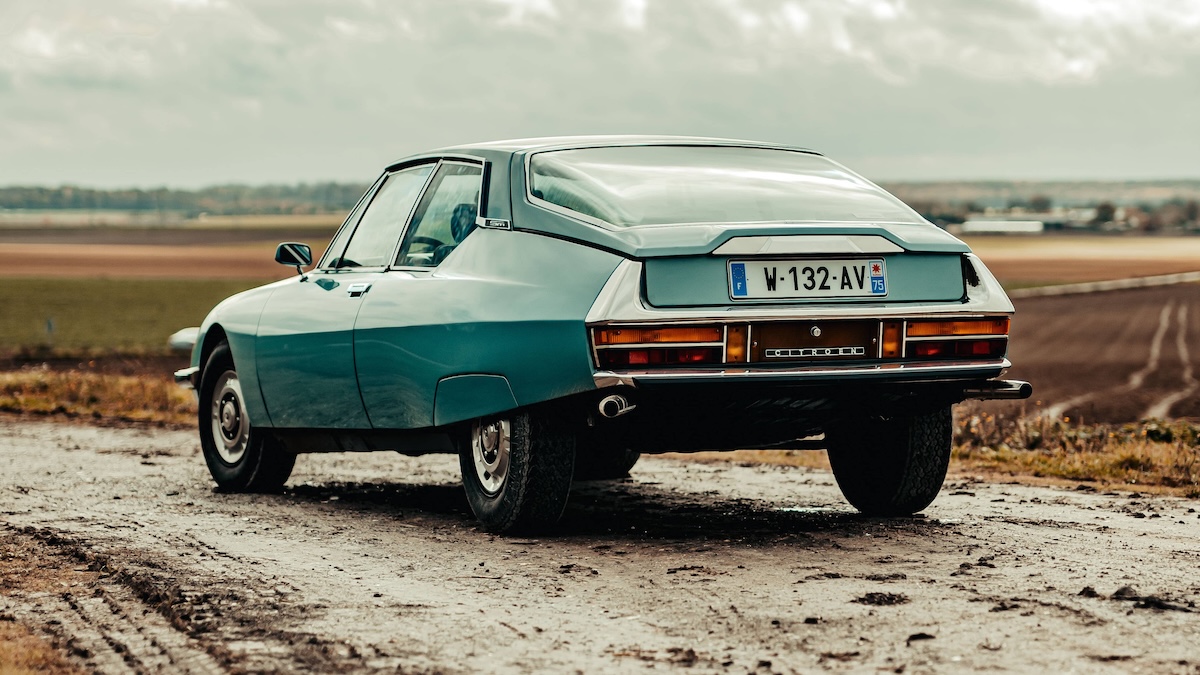
It is difficult to think of another production car from the early 1970s that packed so much innovation into one body. Hydropneumatic suspension, self-centering steering, rain-sensitive wipers, swivelling headlights, height-adjustable suspension, inboard disc brakes and a Maserati V6 all appeared together in a sleek grand tourer that looked more like a spaceship than something built for roads.
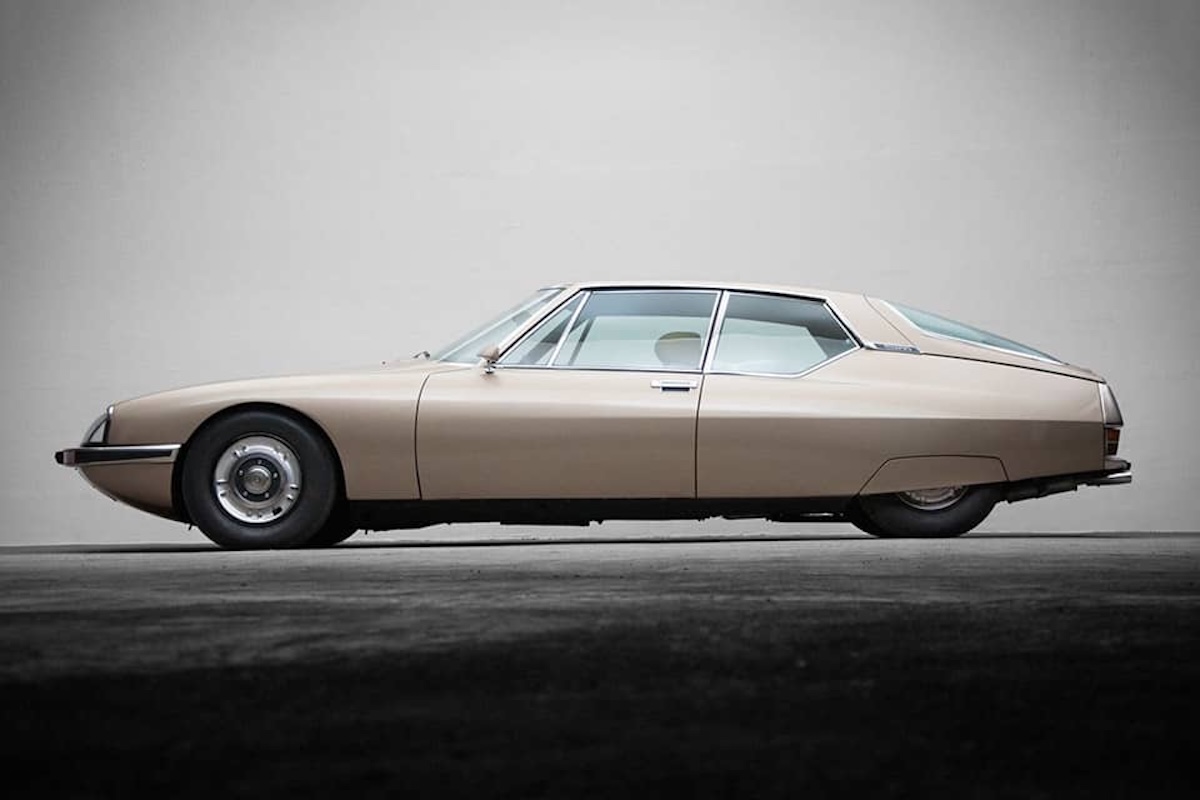
Betting the Company
The irony is that the SM appeared when Citroën could least afford such an ambitious project. By the late 1960s, the French manufacturer was bleeding money. Some estimates suggest the company was losing the equivalent of almost one thousand modern dollars on every car it produced. Between 1968 and 1970 alone, the losses became enormous and Citroën found itself in an increasingly uncomfortable financial position.
Michelin owned a controlling stake and Fiat held another significant share, while the rest belonged to public investors. The company was also spending heavily on ventures outside its own factories, including its acquisition of Maserati. Citroën wanted a true grand tourer capable of challenging the finest German and Italian machinery while still feeling unmistakably French.
A French Car With an Italian Heart
Buying Maserati in 1968 suddenly made something possible that previously was not. France had long punished large engines with its horsepower taxation system, making big-displacement sports cars almost impossible to justify domestically. Citroën therefore needed a relatively compact engine with enough prestige to compete internationally.
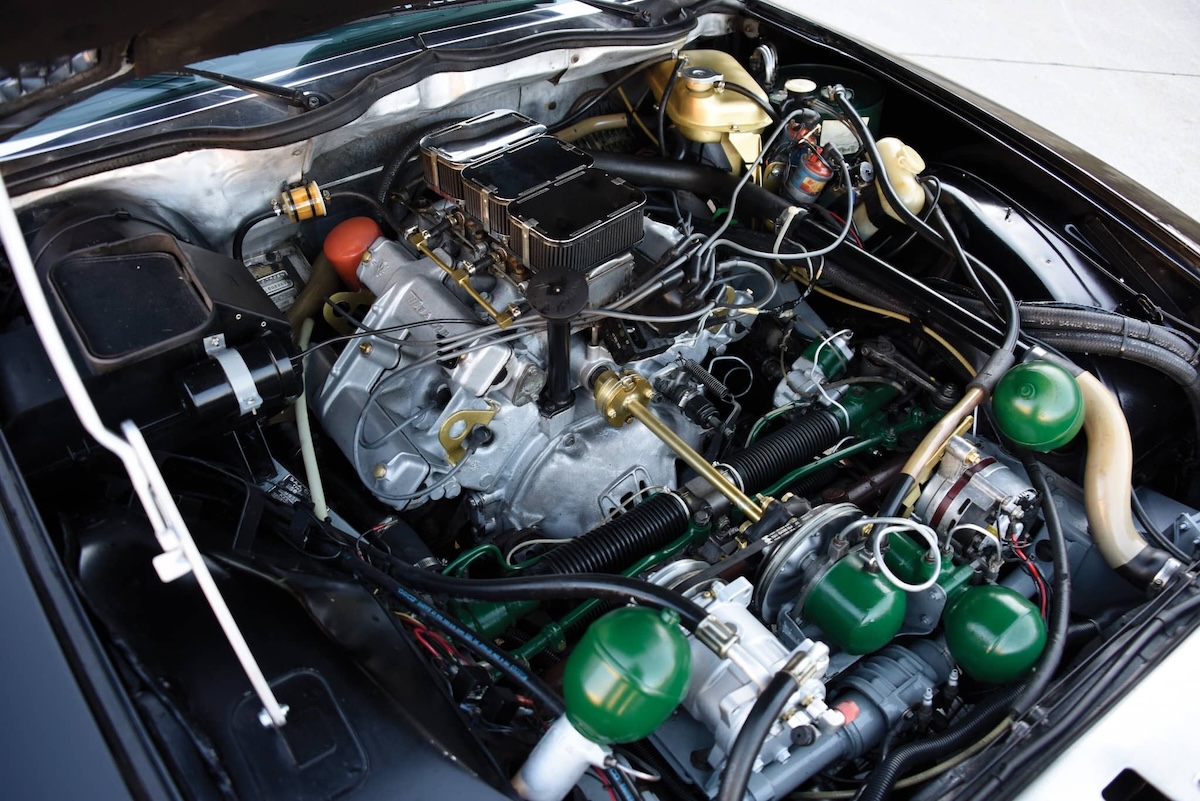
The answer became a rather unusual 90-degree V6 designed by Maserati. It was essentially derived from the company’s V8 architecture, complete with dual overhead camshafts and exotic Italian character. Early cars used three Weber twin-choke carburettors, while later examples received Bosch electronic fuel injection.
In 1973, displacement grew from 2.7 to 3.0 litres. Power output of between 170 and 180 horsepower hardly frightened contemporary Ferraris, but the engine gave the SM exactly what Citroën wanted: smoothness, refinement and enough performance. This same engine family would later continue its life inside several Maseratis, including the Merak.
Riding Like a Cloud
The engine was impressive. Everything underneath it was even more remarkable. The SM inherited Citroën’s famous hydropneumatic suspension, although simply calling it suspension almost feels inadequate. Conventional cars rely on steel springs and shock absorbers. The SM used neither in the traditional sense.
Every wheel was connected to a hydraulic sphere containing nitrogen gas separated from hydraulic fluid by a flexible diaphragm. As the wheel moved over bumps, hydraulic pressure compressed the gas inside the sphere, creating the springing effect. The result was extraordinary.
The SM, and Citroëns of the era in general, floated over broken roads with a calmness that even many modern luxury sedans struggle to replicate. Regardless of luggage or passengers, the ride height remained level thanks to the self-levelling system.
The driver could even raise or lower the entire car using a lever inside the cabin. This allowed the SM to negotiate rough roads and also helped simplify wheel changes. The system proved so effective that even Rolls-Royce licensed Citroën hydraulic technology for use in its own cars.
Steering and Brakes
Driving an SM requires forgetting almost everything learned in ordinary cars. Its DIRAVI steering remains one of the strangest systems ever installed in a production automobile. The wheel is incredibly light, quick and constantly wants to return to the centre under hydraulic force. It takes only around two turns from lock to lock.
There is little conventional steering feel, yet incredible precision once the driver adapts. The system also naturally resisted crosswinds and road imperfections, constantly helping the car maintain its intended direction. Many first-time drivers found it bizarre, but those who learned its potential often became lifelong admirers.
Instead of a traditional brake pedal, the driver presses what enthusiasts simply call the "mushroom". There is almost no pedal travel whatsoever. Braking force depends primarily on pressure rather than movement. The first encounter can therefore be rather dramatic. Once accustomed to the system, however, it becomes remarkably intuitive and incredibly responsive.
Elsewhere, Citroën fitted four-wheel disc brakes, something still far from universal during the early 1970s. The front discs sat inboard beside the transmission rather than inside the wheels, reducing unsprung weight, while large cooling ducts underneath the car supplied fresh air during spirited driving. Again, Citroën’s engineers were solving problems many manufacturers had barely started considering.
Small Details
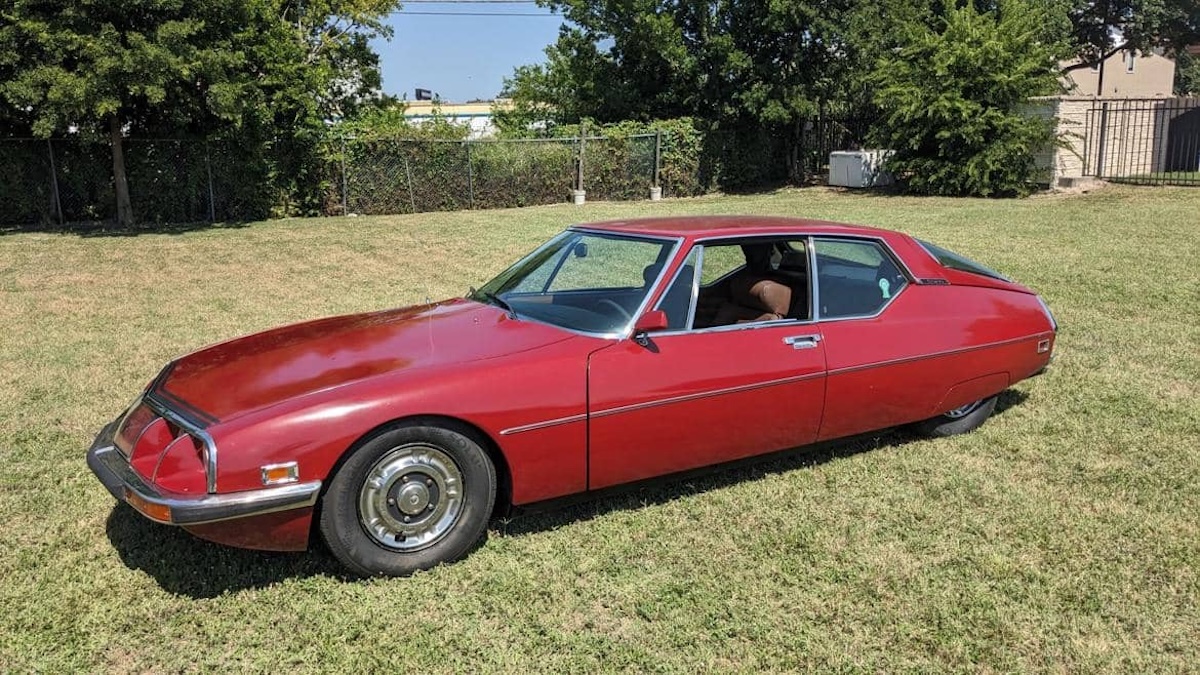
Perhaps the SM’s greatest achievement lies not in one revolutionary feature, but in dozens of smaller ones. European cars received swivelling inner headlights that followed steering inputs and illuminated corners long before adaptive lighting became fashionable. American regulations prohibited the arrangement, leaving US buyers with fixed lamps.
The windscreen wipers could adjust their behaviour according to the resistance encountered by the wiper motor. Dry glass created more resistance than wet glass, allowing the system to respond to changing conditions without the optical sensors and cameras used by modern cars.
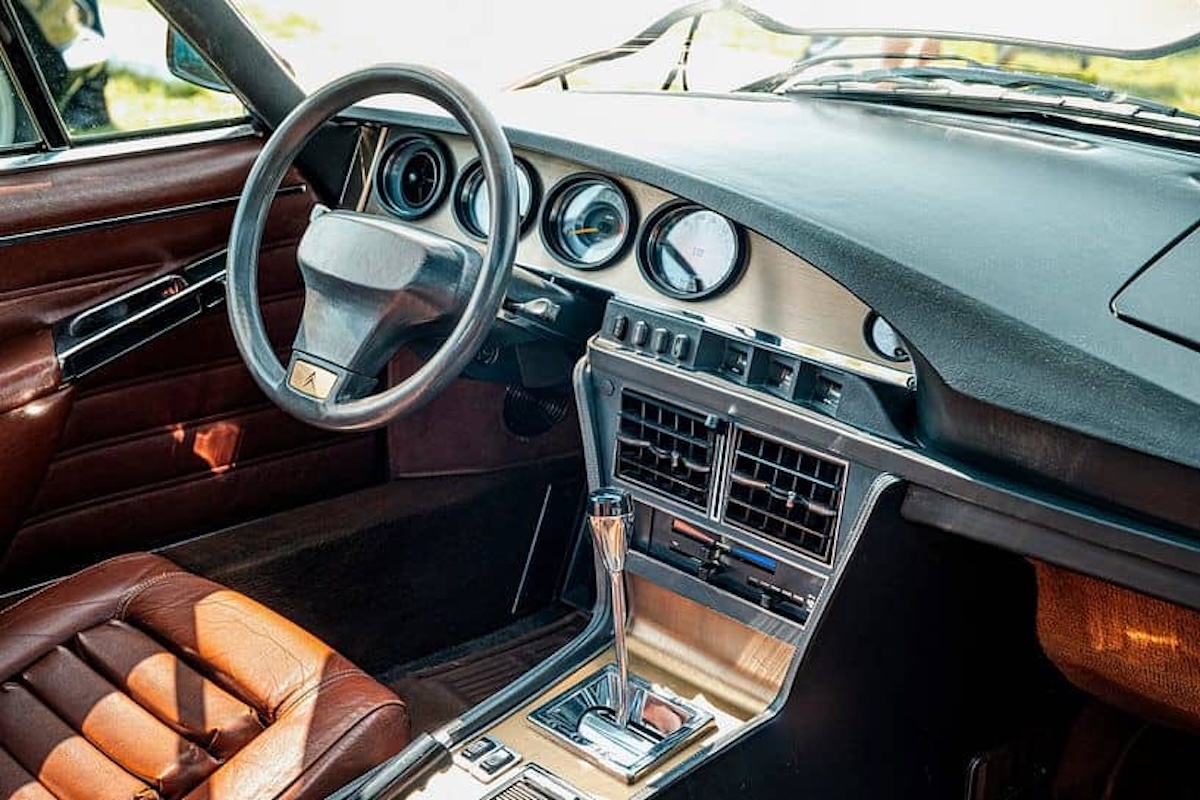
Inside, the dashboard flowed elegantly into the centre console, abandoning the upright, furniture-like layouts common during the era. Oval Jaeger instruments, a single-spoke steering wheel and an engaging manual gearbox completed the experience.
Too Clever
Unfortunately, brilliance and commercial success are not always close friends. The Citroën SM’s Maserati engine required careful maintenance, while its hydraulic systems intimidated mechanics unfamiliar with Citroën engineering.
Then came the 1973 oil crisis, which made thirsty grand tourers far less attractive almost overnight. At the same time, Citroën was collapsing financially. After Peugeot took control of Citroën, SM production was brought to an end in 1975. Around 13,000 examples left the factory and, by ordinary business standards, the SM was a failure.
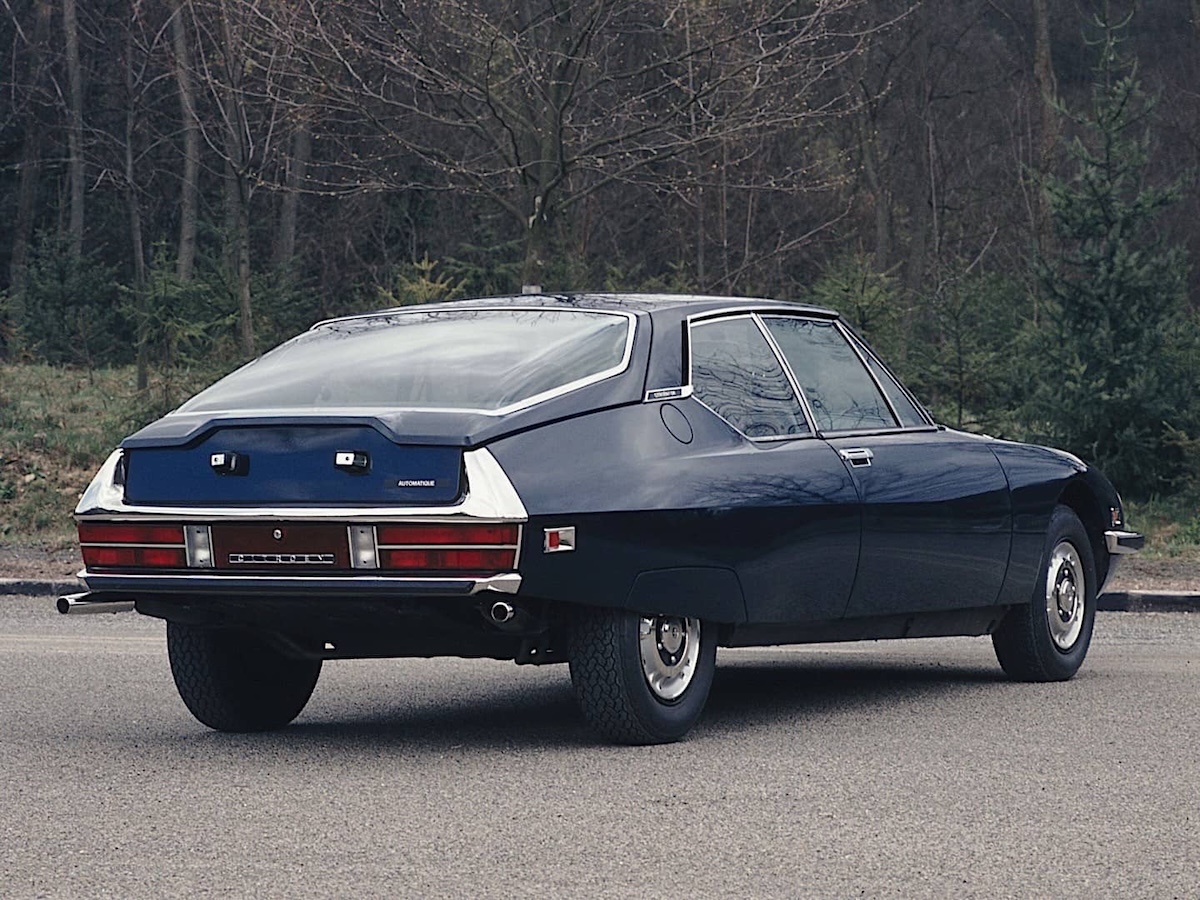
Today, many of the ideas that defined the SM have become familiar: self-levelling suspension, adaptive steering, automatic wipers and directional headlights can all be found throughout the modern automotive industry. Seeing so many advanced ideas combined in a single production car from 1970 still feels surreal. Perhaps that is why the SM continues to attract enthusiasts more than fifty years later: not because it was the fastest or the most reliable, but because very few manufacturers have ever dared to be this clever.
---
We invite you to start your journey by exploring our broad selection of Car Categories. After that, feel free to visit the Classic Passion Shop, where you’ll find unique products from our partners — thoughtful picks for every enthusiast looking to add something special to their collection. You can also buy gift cards with cryptocurrency through CoinGate Gift Cards.