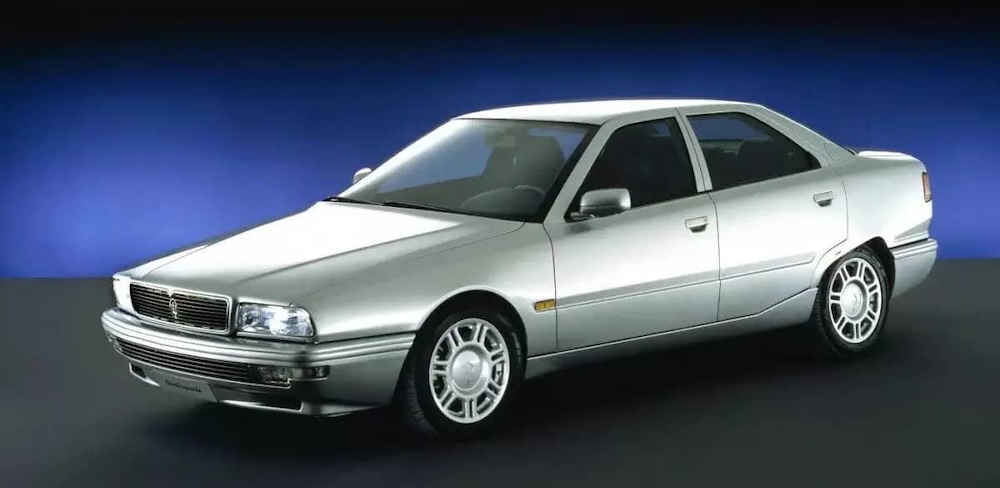
A wheel is round, so the opening around it should be round too. That is the sensible answer, and for most of automotive history it has been good enough. There have been plenty of deviations. Cadillac Eldorados famously have squircle-shaped arches, but Marcello Gandini’s approach was radical. On his wildest designs, the wheel opening became a hard-edged geometric shape: flattened at the top, cut by diagonals and pulled into the surrounding bodywork. It became so recognisable that enthusiasts now simply call it the Gandini wheel arch.
It sounds like a small detail. In reality, it explains much of what made Gandini’s cars feel so different. He did not draw a dramatic wedge and then make holes for the wheels, because the openings belonged to the composition. They gave the body a certain tension, made the wheels look larger and turned an unavoidable piece of packaging into a signature.
There was no single, patented outline. Gandini changed the proportions from one project to another, and plenty of his cars used conventional circular arches. But when the familiar polygon appeared, it was rarely difficult to identify the author.
The Roots
Gandini joined Bertone during the 1960s and initially became famous for a car dominated by curves: the Lamborghini Miura. Its body seemed stretched over the mechanical parts underneath, with soft wheel openings. It remains one of the most beautiful cars ever made, but it gives little warning of what came next.
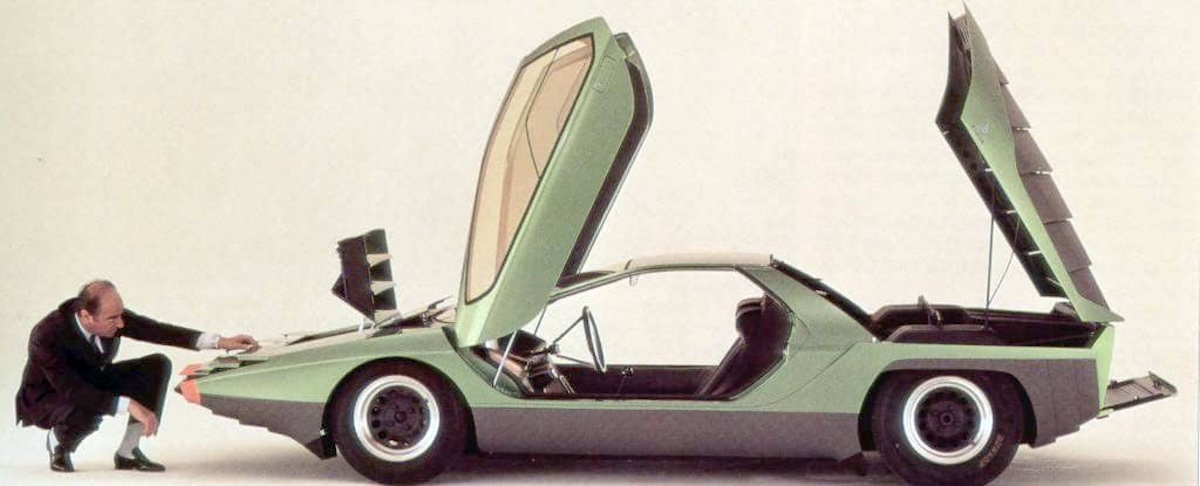
The change became obvious with the 1968 Alfa Romeo Carabo. Built on the mechanical basis of the Alfa Romeo 33 Stradale, the Carabo was completed in roughly ten weeks and replaced flowing surfaces with a ruler-drawn wedge. The bonnet, windscreen, roof and tail appeared to belong to the same low geometric object.
Its wheel openings followed the idea. Instead of tracing neat circles around the tyres, their upper edges were flattened and their ends sliced away at an angle. The tyres remained round, of course, but the body no longer acknowledged that roundness. It seemed to have been cut around the wheels.
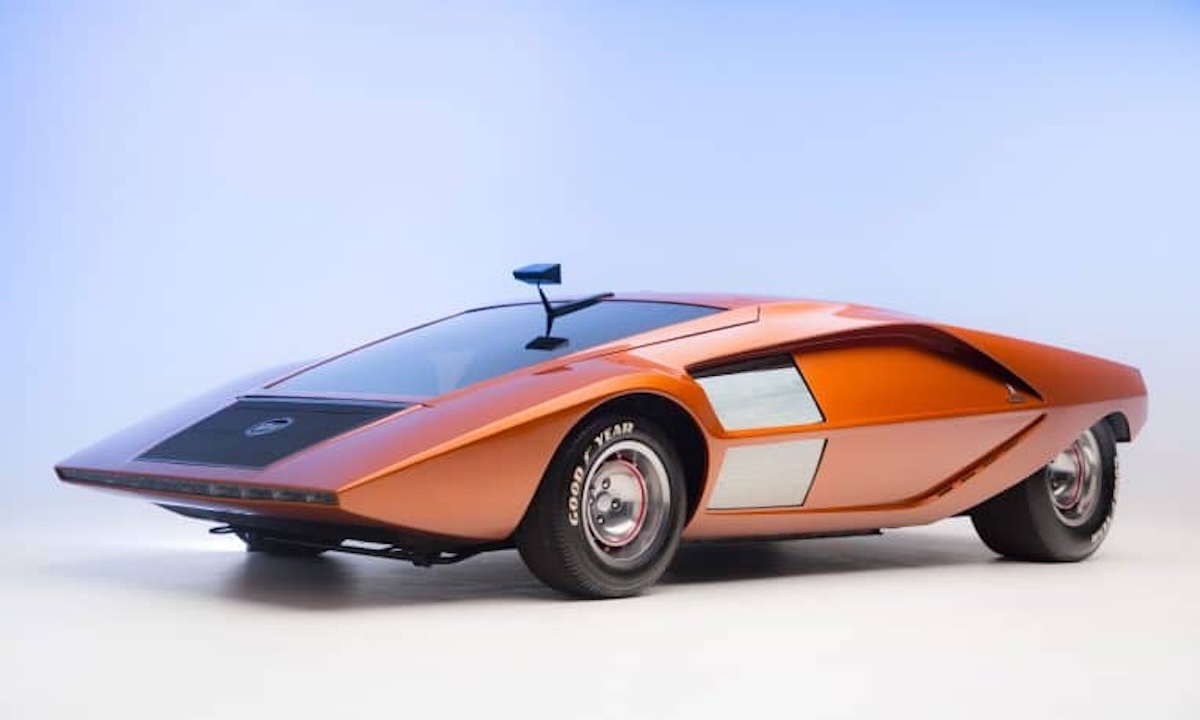
A circular arch looks settled and mechanically logical. Gandini’s polygonal opening creates visual friction because the tyre and body speak different languages. Two years later, the Lancia Stratos Zero pushed the experiment further. It was only 84 centimetres tall, had no conventional doors and required its occupants to enter through the opening windscreen. Here, the wheel arches were reduced to sharp notches in the body. The front opening leaned with the nose, while the rear one helped terminate the triangular side surface.
Perfected on the Countach
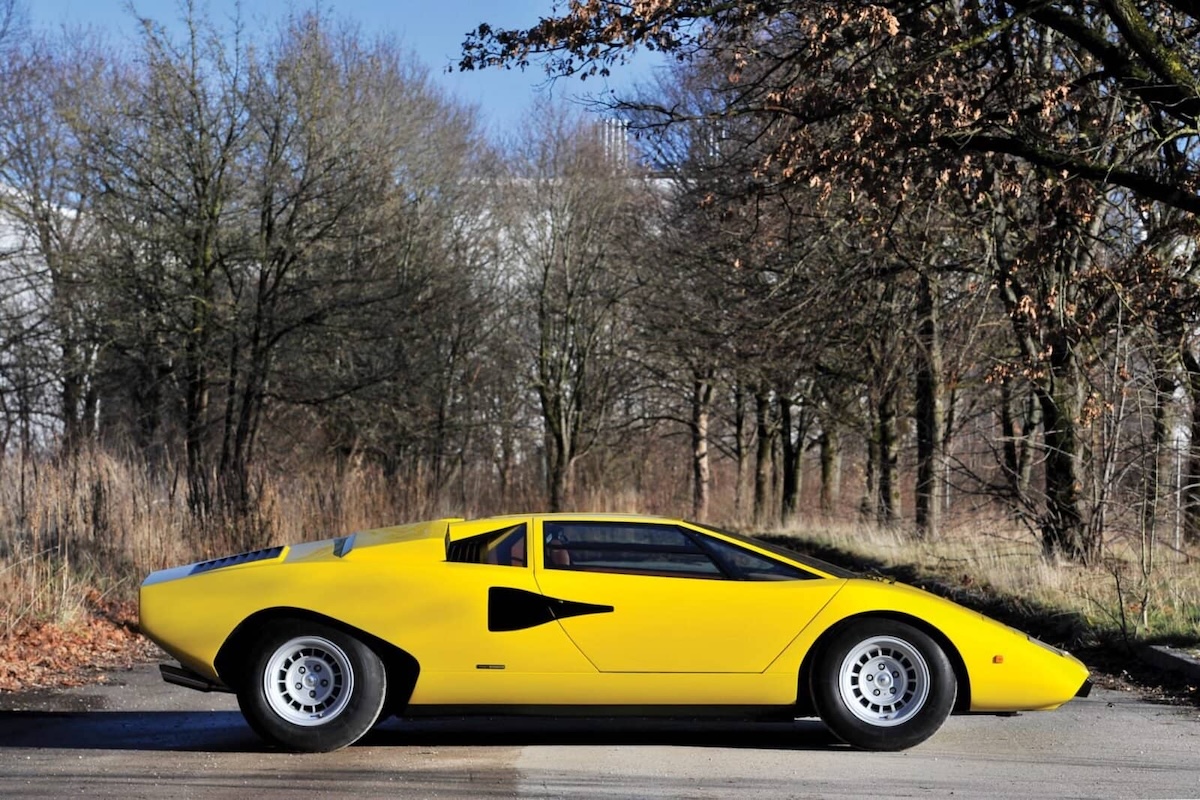
The Gandini arch found its most famous home on the Lamborghini Countach. The LP500 prototype appeared at Geneva in 1971, and production began with the LP400 in 1974. Between the pointed nose, steep windscreen and cut tail sat two unnatural wheel openings.
Their nearly horizontal upper edges run above the tyres before dropping through two angled sections. The forward cut rises towards the car’s waist, while the rear cut helps launch the body towards the tail. Remove that shape and replace it with a semicircle, and the Countach immediately loses some of its aggression.
It also makes the car appear lower. A rounded arch leaves an arc of bodywork over the tyre, visually lifting it. Gandini’s flat upper edge presses down on the wheel. The treatment became even more dramatic on the LP400 S, which arrived with wider bodywork and a new generation of low-profile Pirelli tyres.
Supercars and Family Transport
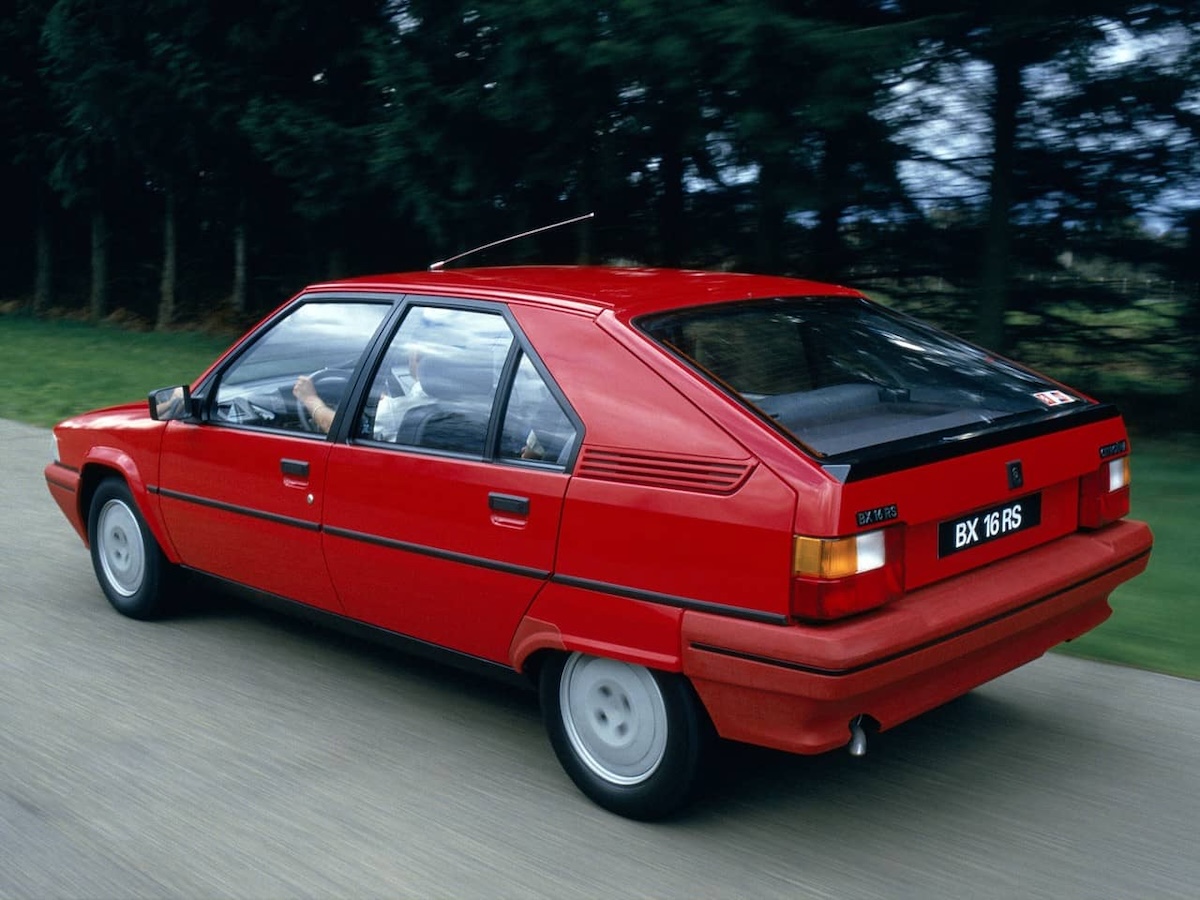
One of the best examples of Gandini’s talent is that his distinctive design language worked just as well on an everyday family car as it did on an exotic V12 supercar. The Citroën BX, launched in 1982, translated similar thinking into a practical five-door family car.
The BX had conventional proportions, four doors and a useful hatchback, yet the Gandini habits remained. Its sides were clean and taut, the windows were crisply outlined, and the rear wheel opening looked clipped rather than rounded. Citroën’s hydropneumatic suspension added another visual trick: when parked, the body settled over the wheels and made those carefully shaped openings appear even tighter.
Gandini understood that memorable cars are often built from small decisions repeated with conviction. A windscreen angle, a cut-off tail, a vent or the line around a tyre can do more than an entire surface covered in fashionable detail. His wheel arches looked wrong according to the ordinary rules of car design. That is precisely why they were right.
---
We invite you to start your journey by exploring our broad selection of Car Categories. After that, feel free to visit the Classic Passion Shop, where you’ll find unique products from our partners — thoughtful picks for every enthusiast looking to add something special to their collection. Looking for another way to spend your crypto? Discover some of the best gift cards available through CoinGate Gift Cards.


